

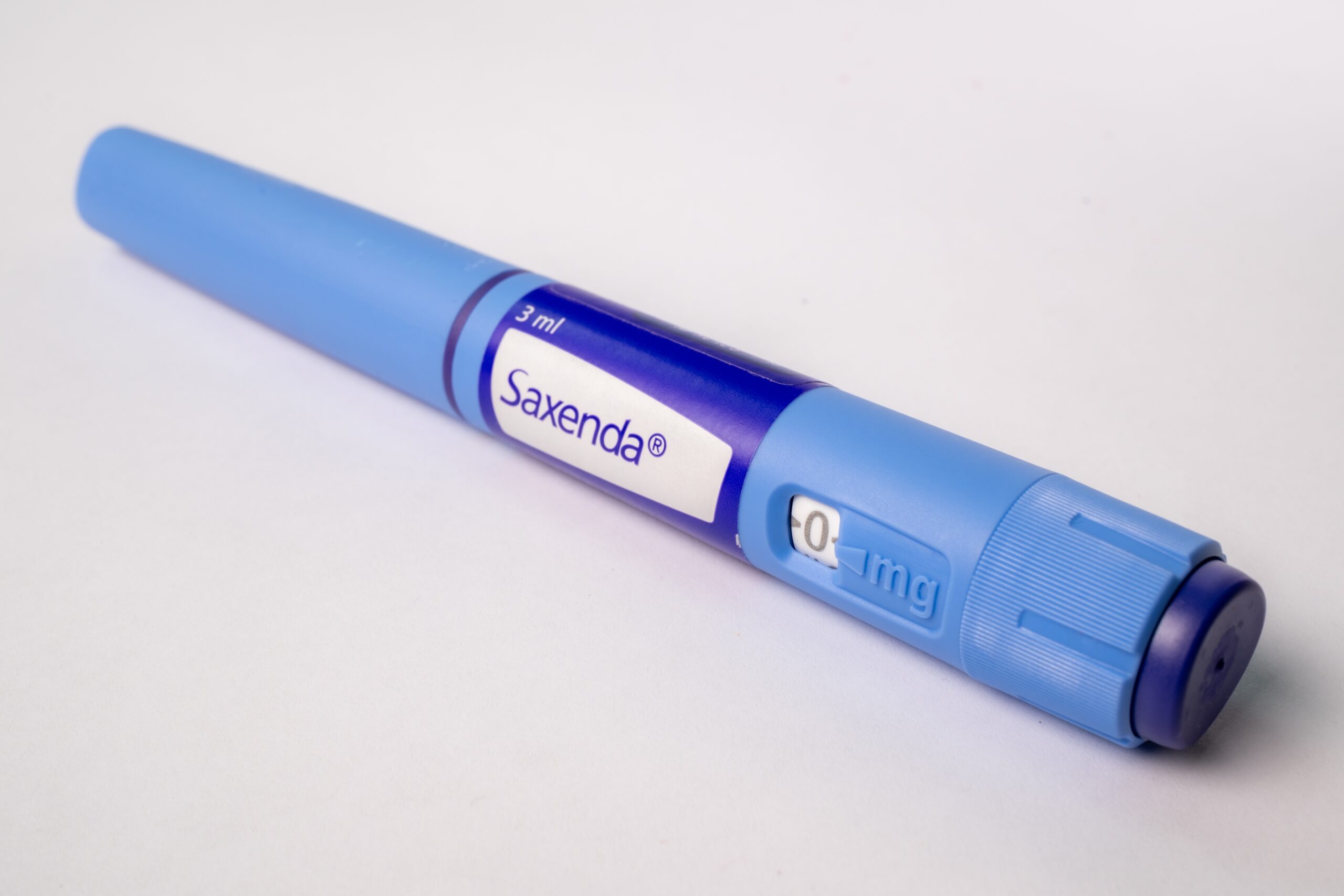
People who stop using weight-loss injections regain the weight they lost in under two years, according to a major new study. The analysis, led by researchers at the University of Oxford and published in the BMJ, reviewed 37 studies involving more than 9,000 participants. The drugs, known as GLP-1 agonists, mimic a hormone that suppresses appetite and were originally developed to treat diabetes.
Researchers found that after stopping medication, participants regained weight at an average rate of 0.4kg per month, returning to their original weight in about 1.7 years. On average, users lost 8.3kg while on treatment but regained nearly 5kg within the first year after stopping. Weight regain occurred almost four times faster than in people who lost weight through behavioural programmes such as diet and exercise.
Dr Sam West, from Oxford’s Nuffield Department of Primary Care Health Sciences, said the findings reflect obesity’s nature as a chronic, relapsing condition rather than a failure of the drugs. The study also showed that improvements in blood pressure and cholesterol reversed within about 1.4 years of stopping treatment.
Experts from Diabetes UK and the Obesity Health Alliance stressed that weight-loss drugs are not a quick fix and must be paired with long-term lifestyle and environmental changes. The National Health Service said the findings underline the need for wraparound support alongside medication to help people maintain weight loss sustainably.

