

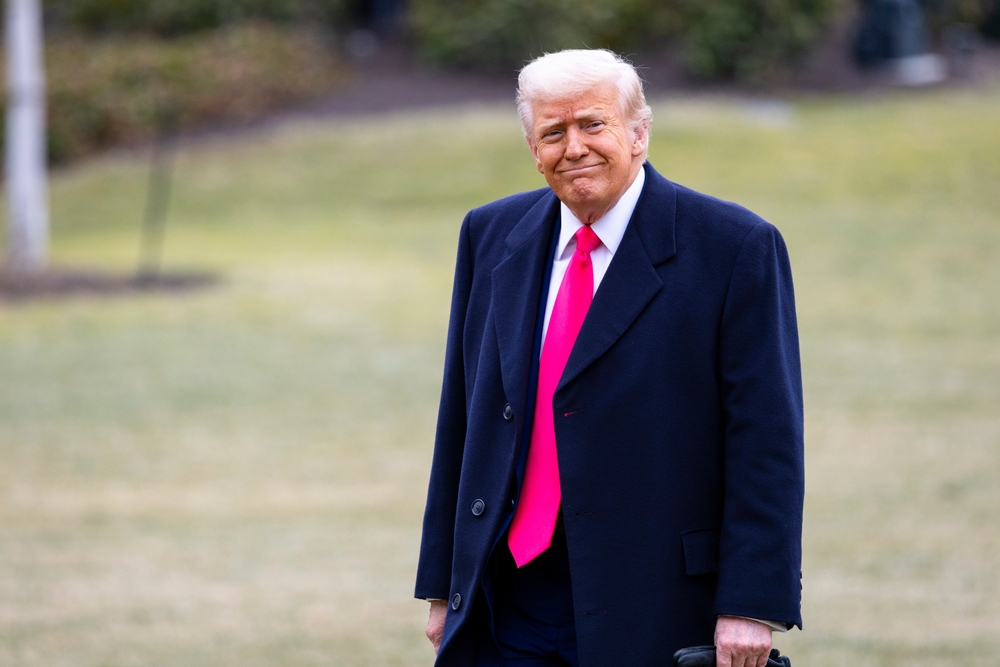
The United States has launched a series of airstrikes against Islamic State–linked militants in northwestern Nigeria, stepping up its support for the country’s battle against extremist groups. President Donald Trump described the strikes as “powerful and deadly” and said they targeted militants responsible for attacks on civilians.
Trump emphasized on social media that the militants were “viciously killing mostly innocent Christians,” highlighting the urgency of international involvement in the region.
Strengthening Nigeria’s Security Forces
Nigeria’s military has been stretched thin for years, dealing with multiple insurgent and extremist groups across the country. The northern states, including Sokoto, frequently see airstrikes aimed at militant hideouts, but security forces often lack the resources to fully contain the threat.
US strikes are seen as critical assistance for Nigerian forces, helping to reduce the operational advantage of militant groups. In recent years, Nigeria has boosted recruitment into its security services, but manpower and equipment gaps remain significant.
Collaborative Efforts With the US
Nigeria’s foreign ministry confirmed that the strikes are part of ongoing collaboration with international partners, including the United States, aimed at countering terrorism and violent extremism.
President Bola Ahmed Tinubu stressed that Nigeria is a religiously tolerant nation and that security challenges affect all communities, regardless of religion or region. The US has previously designated Nigeria a “Country of Particular Concern” over religious freedom, allowing sanctions to address threats to vulnerable populations.
A Complex and Persistent Threat
Jihadist organizations like Boko Haram and the Islamic State of West Africa Province (ISWAP) have caused widespread destruction in Nigeria, killing thousands over the past decade. While attacks on Christians have been highlighted, many victims have also been Muslims, illustrating the broad scope of the violence.
In the northwest, a smaller IS-affiliated faction known as the Islamic State Sahel Province, or Lakurawa, has gained influence. US and Nigerian authorities have not specified which group was targeted in the recent airstrikes.
Experts warn that military action alone cannot resolve Nigeria’s security crisis. Defence Minister Christopher Musa has noted that armed operations account for only about 30% of the solution, with the rest depending on effective governance, development programs, and addressing the socioeconomic factors that fuel extremist recruitment.

