

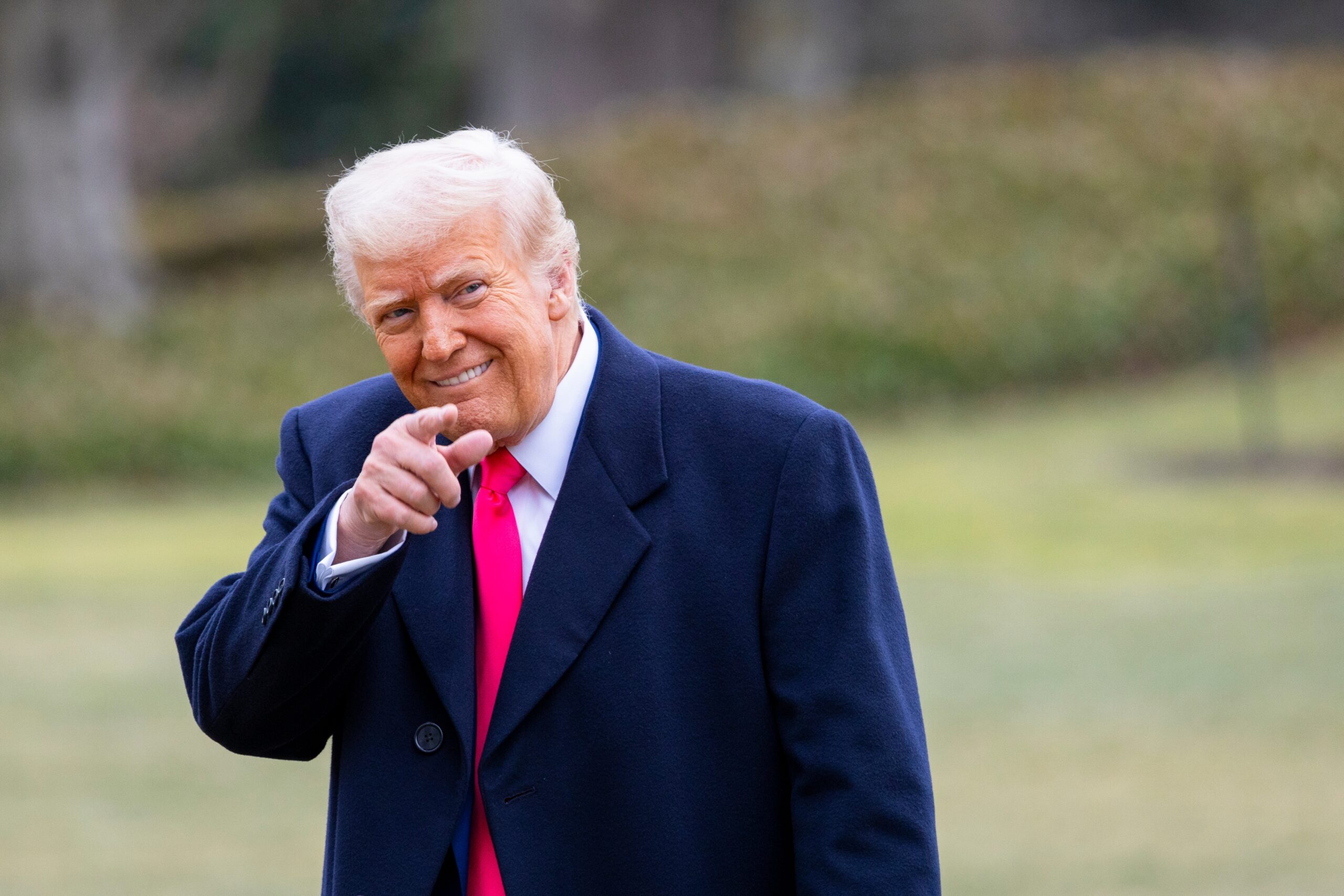
The Kremlin has downplayed speculation about a quick summit between Vladimir Putin and Volodymyr Zelensky. At the same time, Donald Trump urged both leaders to meet and consider steps to end the war in Ukraine.
The push for direct talks followed Trump’s meeting with Putin in Alaska last week. On Monday, he hosted Zelensky alongside seven European leaders at the White House.
Trump acknowledged the war was difficult to resolve. He warned that Putin might not want to end the conflict. “We’re going to find out about President Putin in the next couple of weeks,” he said on Tuesday. “It’s possible that he doesn’t want to make a deal.”
Trump hints at limited involvement
Trump suggested Putin would face “a rough situation” if he refused talks, though he offered no details. Later he said Zelensky and Putin might be better off meeting without him. The remarks came in a late-night interview with conservative host Mark Levin.
Trump added he would attend such a meeting “if necessary,” but preferred to wait and see how things developed.
Putin told Trump on Monday he was “open” to direct discussions with Ukraine. Yet Russian Foreign Minister Sergei Lavrov quickly softened that stance. He said any summit must begin with expert-level talks and progress step by step.
Russia’s deputy envoy to the UN, Dmitry Polyanskiy, also said no one had dismissed the idea of talks. Still, he insisted a summit must not be “a meeting for the sake of a meeting.”
Nato prepares as Russia suggests Moscow venue
Nato military chiefs will hold a virtual meeting on Wednesday. Britain’s defence chief, Admiral Tony Radakin, is in Washington for talks on a reassurance force in Ukraine.
Reports suggested Putin invited Zelensky to Moscow for negotiations. Ukraine was unlikely to accept such a proposal. Analysts said it looked unrealistic and designed only to appear constructive.
Trump’s recent talks seem to have deepened his grasp of the war’s complexity. He now recognises the gulf between Moscow’s demands and Kyiv’s stance.
His earlier claim that he could secure a quick ceasefire has faded. He now calls for a permanent peace deal supported by strong security guarantees for Ukraine.
Zelensky and European leaders pressed him to back these guarantees. They said they were vital to Ukraine’s sovereignty if peace is reached.
Washington rules out boots on the ground
On Tuesday, Trump said the US could provide air support if European allies committed troops to Ukraine. He ruled out deploying American soldiers. He did not clarify whether air support would mean surveillance, drones, or fighter jets.
Meanwhile, France and the UK are leading a “coalition of the willing.” The group is working on plans for a reassurance force to deploy in Ukraine once hostilities end.
After a virtual meeting on Tuesday, a Downing Street spokesperson said the coalition would soon meet US officials. Their aim is to secure robust and lasting guarantees for Kyiv.
Old disputes loom over peace prospects
Following meetings with Putin and Zelensky, Trump said direct talks might bring peace closer. Yet he admitted there was “tremendous bad blood” between the two leaders.
Putin and Zelensky last met in 2019. Since then, Russia’s invasion has caused tens of thousands of deaths, massive destruction, and ongoing airstrikes on civilians.
Putin refuses to recognise Zelensky’s legitimacy. He blames him for Ukraine’s closer ties with the West. He has long claimed—without evidence—that Kyiv is ruled by a “neo-Nazi regime.” He insists any ceasefire would require a change of leadership in Ukraine.
Russia also shows little interest in talks while its forces retain battlefield advantages.
Still, Zelensky and European leaders back the idea of a summit. Zelensky said he was open to “any format” of negotiations. Europeans have already proposed potential venues.
They hope pushing the idea will pressure Trump into adopting a tougher line if Putin resists compromise.
European leaders sceptical of Putin
European allies remain far less optimistic than Trump about Moscow’s intentions. On Tuesday, French President Emmanuel Macron described Putin as “a predator, and an ogre at our doorstep.” He voiced serious doubts about Russia’s willingness to seek peace.
Finnish President Alexander Stubb echoed that view. He said Putin was “rarely to be trusted” and questioned whether a summit with Zelensky would take place at all.
Further high-level talks are expected in the coming days. European leaders remain uncertain about how firmly Trump will back their security.

