

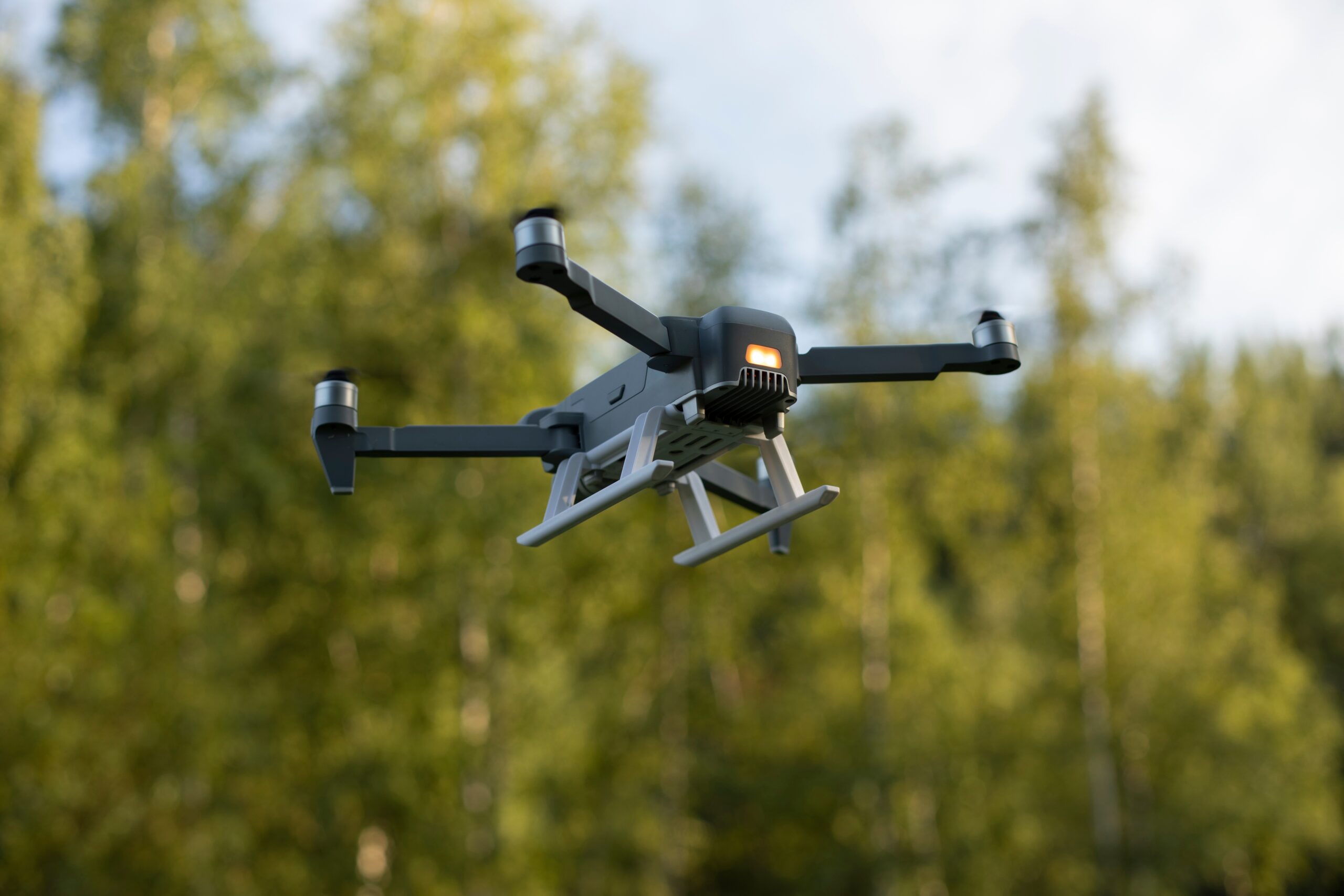
Europe is exploring a “drone wall” along its eastern border to counter Russian aerial threats, driven by calls from the Baltic states and supported by EU officials including Ursula von der Leyen and defence commissioner Andrius Kubilius. The initiative, involving Poland, Finland, Estonia, Latvia, and Lithuania, aims to integrate a multilayered anti-drone system called Eirshield, developed by Estonian company DefSecIntel and Latvian firm Origin Robotics.
Eirshield combines radars, cameras, radio frequency detectors, and AI automation to detect and neutralise hostile drones, either by jamming, interception with other drones, or using gun systems. Designed to target fast unmanned drones carrying warheads, it can also be partially portable. Its cost-per-use is significantly lower than conventional air defence systems, making it a more practical solution for low-altitude drone threats. Some components have already been deployed in Ukraine, though adjustments will be needed for NATO standards and peacetime operations, such as using nets or small intercepting drones rather than explosive measures.
Despite technological readiness, funding and coordination remain obstacles. The European Commission recently rejected a €12 million proposal from Estonia and Lithuania, though all three Baltic states have committed national budgets—Estonia €12 million, Latvia €10 million, and Lithuania €3 million—for counter-drone capabilities. Governments must still decide how to integrate the system with existing air defences and determine operational tactics.
While the drone wall could strengthen Europe’s eastern flank, experts caution it will complement rather than replace traditional air defence systems, and its success depends on wider EU collaboration and careful adaptation for civilian airspace monitoring.

