

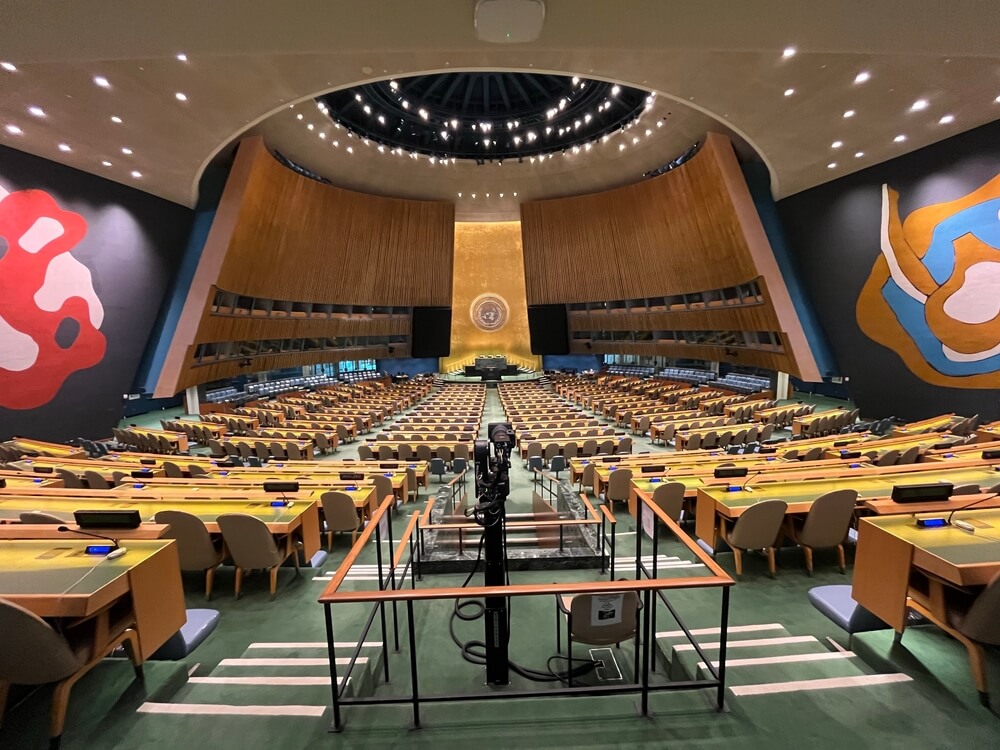
The United Nations has formed a 40-member international scientific panel to examine the risks and impacts of artificial intelligence (AI). UN Secretary-General Antonio Guterres described the move as a “foundational step toward global scientific understanding of AI,” aimed at giving all member states access to independent, science-based guidance on rapidly advancing technology.
Global Support and Controversy
The UN General Assembly approved the panel with a vote of 117-2, with the United States and Paraguay opposing, and Tunisia and Ukraine abstaining. Nations such as Russia, China, and European allies voted in favor. The panel, selected from more than 2,600 applicants after an independent review, will serve three-year terms and produce annual reports on AI risks, opportunities, and societal impacts. Europe holds 12 of the panel’s seats, representing countries from France and Germany to Italy and Turkey.
Industry Voices Raise Alarm
The panel comes as AI researchers and former employees voice serious concerns about the technology. Mrinank Sharma, former safety researcher at Anthropic, warned that “the world is in peril,” while OpenAI’s former lead researcher, Zoe Hitzig, expressed “deep reservations” about her former company’s approach. High-profile figures including Dario Amodei, Sam Altman, and Steve Wozniak have also highlighted AI’s potential risks.
U.S. Pushback and Global Debate
The United States has criticized the initiative, with representative Lauren Lovelace calling the panel “a significant overreach of the UN’s mandate and competence” and asserting that “AI governance is not a matter for the UN to dictate.” Despite objections, UN officials maintain that the panel’s role is advisory, providing rigorous scientific insight rather than enforcing global rules, allowing countries of all technological capacities to engage on equal footing.

