

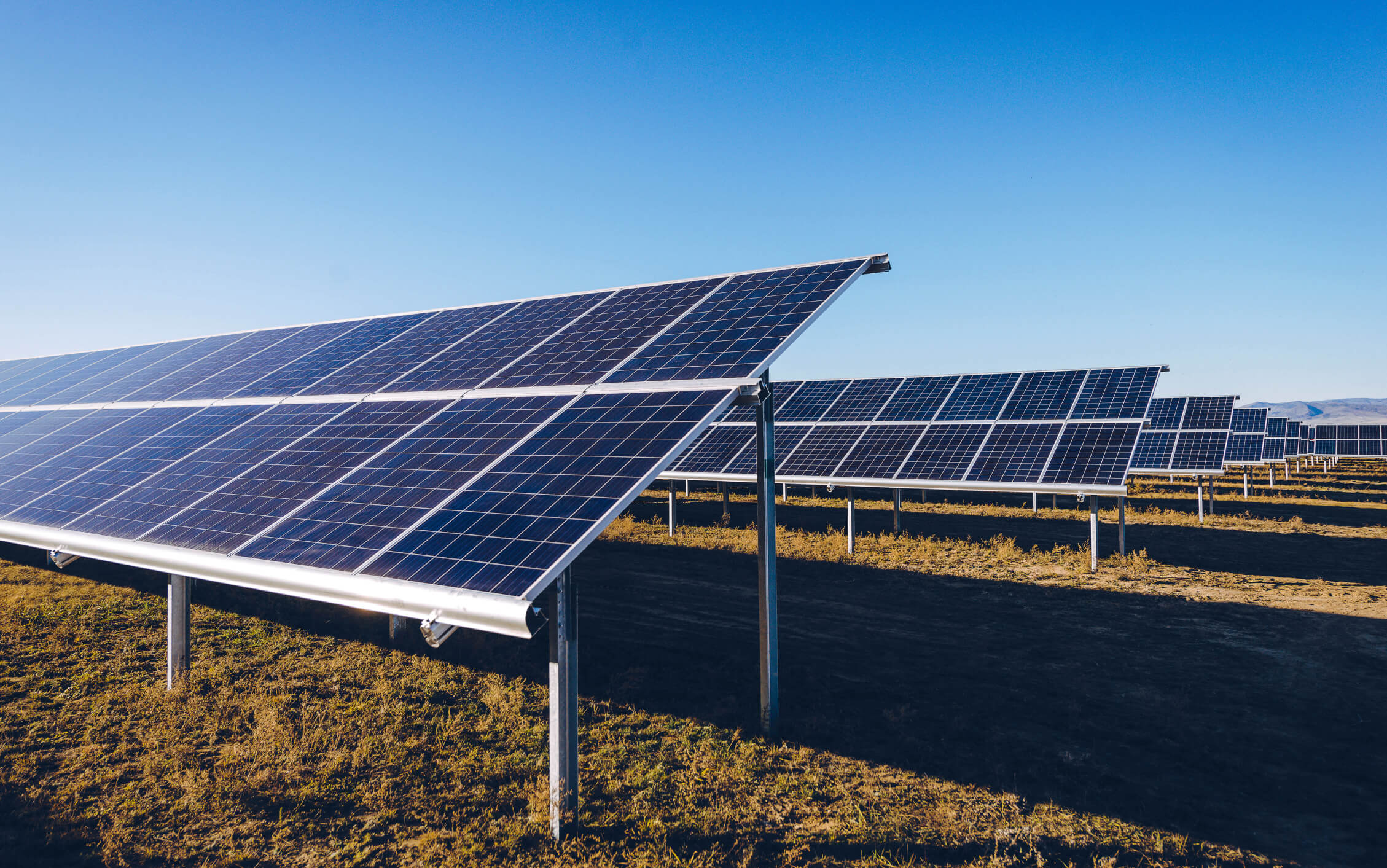
The U.S. Environmental Protection Agency (EPA) has announced nearly $69 billion in federal funding to support clean energy, reduce greenhouse-gas emissions, and advance environmental justice. The funding comes through the Inflation Reduction Act and the Bipartisan Infrastructure Law, reflecting a major federal commitment to sustainable infrastructure and climate action.
The investment aims to create jobs, lower energy costs, and provide targeted support to overburdened communities. By directing resources to clean energy projects, the U.S. government is fostering both environmental and economic benefits, emphasizing a dual approach to climate and social equity.
Funding will support a wide range of initiatives, including renewable energy development, energy efficiency upgrades, and infrastructure improvements. These projects are designed to reduce carbon emissions while improving access to clean and affordable energy for communities that have historically faced disproportionate environmental burdens.
The EPA highlighted that the investment will generate significant employment opportunities across construction, engineering, and clean technology sectors. Jobs created through these initiatives are expected to benefit local economies and provide long-term career pathways in emerging green industries.
The funding also addresses energy affordability. Investments in clean infrastructure, such as solar installations and energy-efficient retrofits, can lower utility costs for households and businesses, providing both financial relief and environmental benefits.
Communities historically impacted by pollution and climate-related challenges are a key focus. The funding prioritizes projects in these areas to improve public health, resilience, and access to clean energy. This approach aligns with broader federal goals of promoting environmental justice and equity.
Experts note that the scale of the funding demonstrates the federal government’s commitment to tackling climate change while boosting economic growth. By pairing environmental objectives with job creation and community support, the initiative sets a model for sustainable policy implementation.
The programs funded through the EPA will also encourage innovation in clean technology. Grants and incentives support research, development, and deployment of renewable energy solutions, energy storage, and low-carbon technologies, positioning the U.S. as a leader in the global clean energy transition.
Local governments, non-profit organizations, and private companies are expected to play a role in deploying the funding effectively. Partnerships across sectors will help ensure that projects meet community needs and maximize environmental, economic, and social outcomes.
Overall, the EPA’s announcement marks a significant milestone in U.S. climate and infrastructure policy. The $69 billion investment provides momentum for a cleaner, more sustainable future while generating jobs, lowering energy costs, and promoting equity in historically disadvantaged communities.
This federal support reinforces the importance of coordinated action on climate change. By combining large-scale funding with community-focused strategies, the U.S. is advancing both environmental and social goals, demonstrating that clean energy and climate justice can drive broad societal benefits.
The initiative is expected to have long-lasting effects on national emissions reduction targets, economic resilience, and community well-being. As projects roll out, communities across the country will see tangible improvements in energy infrastructure, job opportunities, and environmental quality.

