

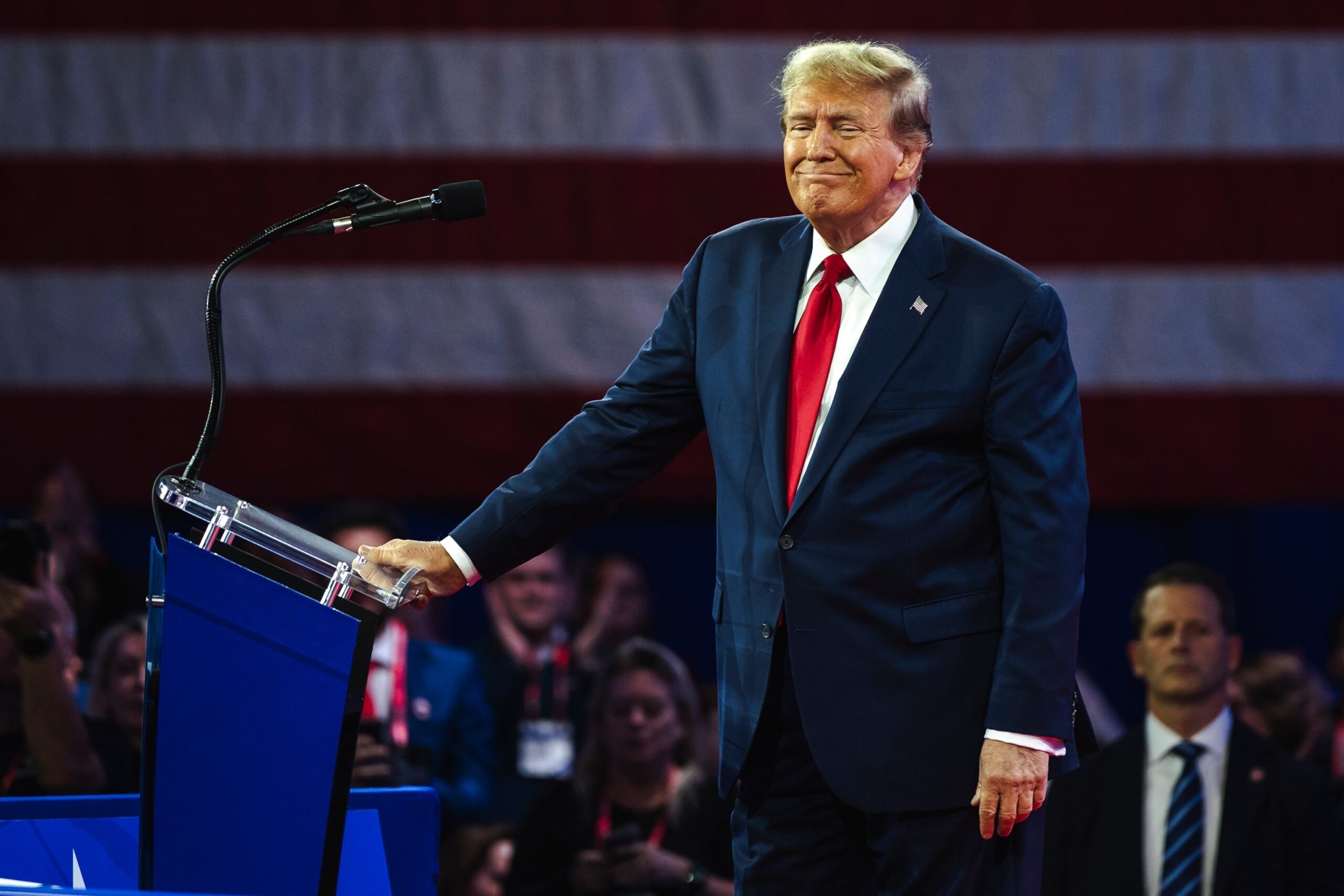
President Trump demanded Saturday that Attorney General Pam Bondi prosecute figures he calls his enemies.
He cited multiple indictments against him and called for immediate “justice.”
Trump named James Comey, Adam Schiff, and Letitia James as targets for prosecution.
He told reporters, “They have to act. They have to act fast.”
Sudden U.S. Attorney Ouster Raises Concerns
Trump removed Erik Siebert from the Eastern District of Virginia after Siebert declined to charge Comey or James.
Trump announced he would nominate Lindsey Halligan, his personal legal team member, to replace Siebert.
Halligan lacks prior prosecutorial experience, raising questions about Justice Department independence.
The move highlights Trump’s increasing control over U.S. attorneys and political pressure on career prosecutors.
Other Prosecutors Face Pressure
Trump’s allies have pressured Kelly Hayes, U.S. attorney in Maryland, overseeing cases involving Schiff and John Bolton.
Hayes maintains she will not bring charges without supporting evidence, despite political pressure.
These actions extend Trump’s earlier efforts to remove Justice Department and FBI officials investigating him.
Threats to Justice Department Independence
Trump’s public orders break long-standing norms separating the White House from prosecutorial decisions.
His actions create potential influence over federal cases nationwide and risk politicizing the criminal justice system.
Observers note parallels to past controversies, but Trump has escalated the strategy with fewer constraints.
Trump Frames Push as Retribution
Trump insists prosecutions are necessary for fairness and credibility, while signaling retribution against his critics.
He told reporters, “If they are guilty, or should be charged, they should be charged.”
The strategy targets the foundation of federal prosecutions and could shape case outcomes across U.S. districts.

