

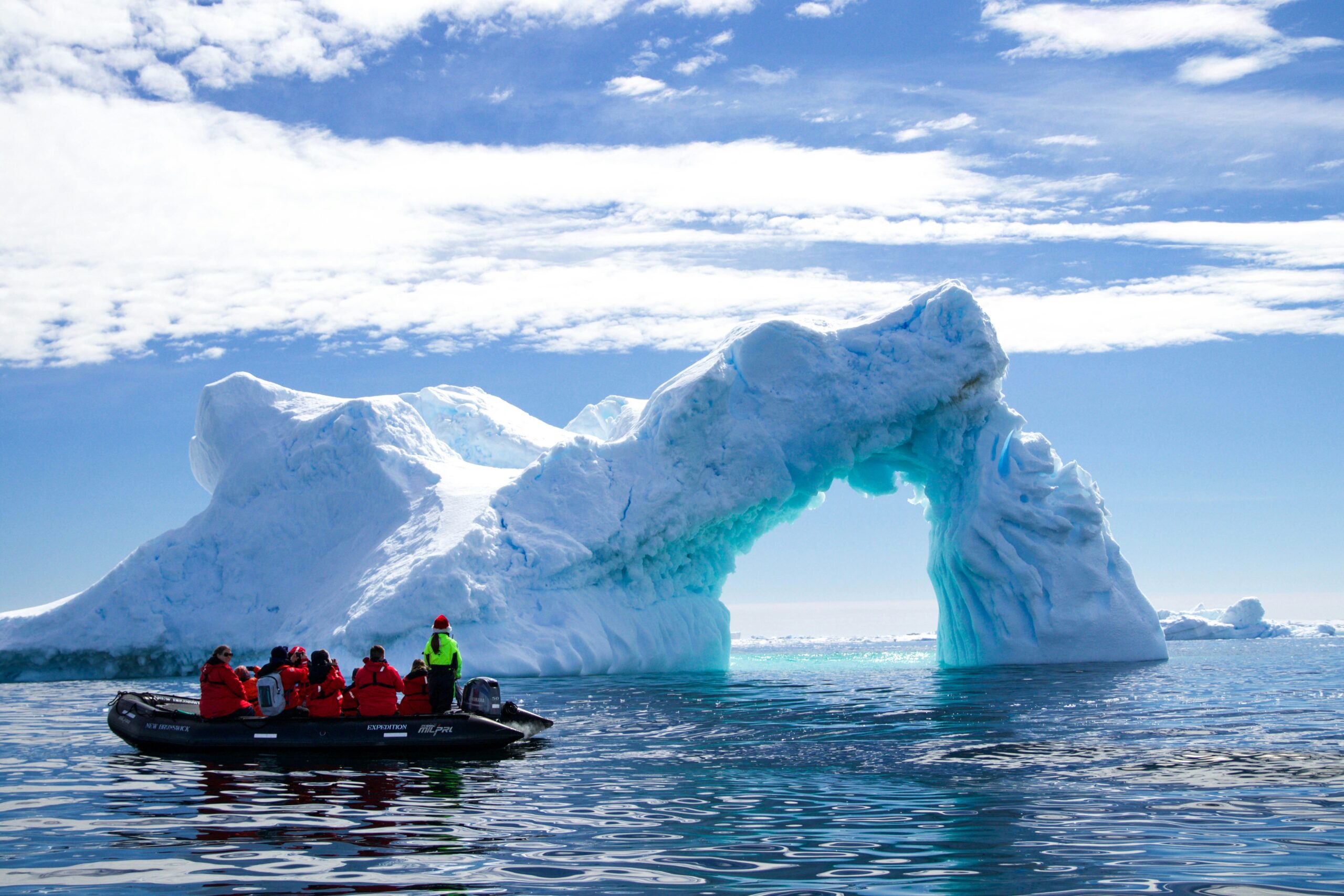
Antarctica, Earth’s last great wilderness, is facing growing pressure from human activity. Visitor numbers have skyrocketed from fewer than 8,000 annually in the 1990s to over 124,000 in 2023–24, with projections suggesting as many as 450,000 by 2034. Most tourists travel on expedition vessels, with more than 80,000 stepping onto Antarctic soil last season. Despite rules enforced by the International Association of Antarctica Tour Operators (IAATO), including limits on shore landings and biosecurity checks, the average tourist trip generates around 5.44 tonnes of CO₂ per passenger, adding to the continent’s environmental stress.
Pollution and Ecosystem Damage
A study published in Nature Sustainability shows that human activity has increased toxic metal concentrations, including nickel, copper and lead, tenfold in populated areas over the past 40 years. Tourism and research missions disturb wildlife, trample fragile flora, and heighten the risk of invasive species and disease. Black carbon from ships, planes and generators darkens snow, accelerating melting; a single tourist can contribute to the loss of roughly 100 tons of snow. Research expeditions have an even larger impact, sometimes ten times that of a tourist. While measures such as hybrid ships and coordinated landings exist, scientists stress that only rapid cuts in fossil fuel use and a shift to renewable energy can truly mitigate the damage, as Antarctica’s pristine environment continues to suffer beneath the surface.

