

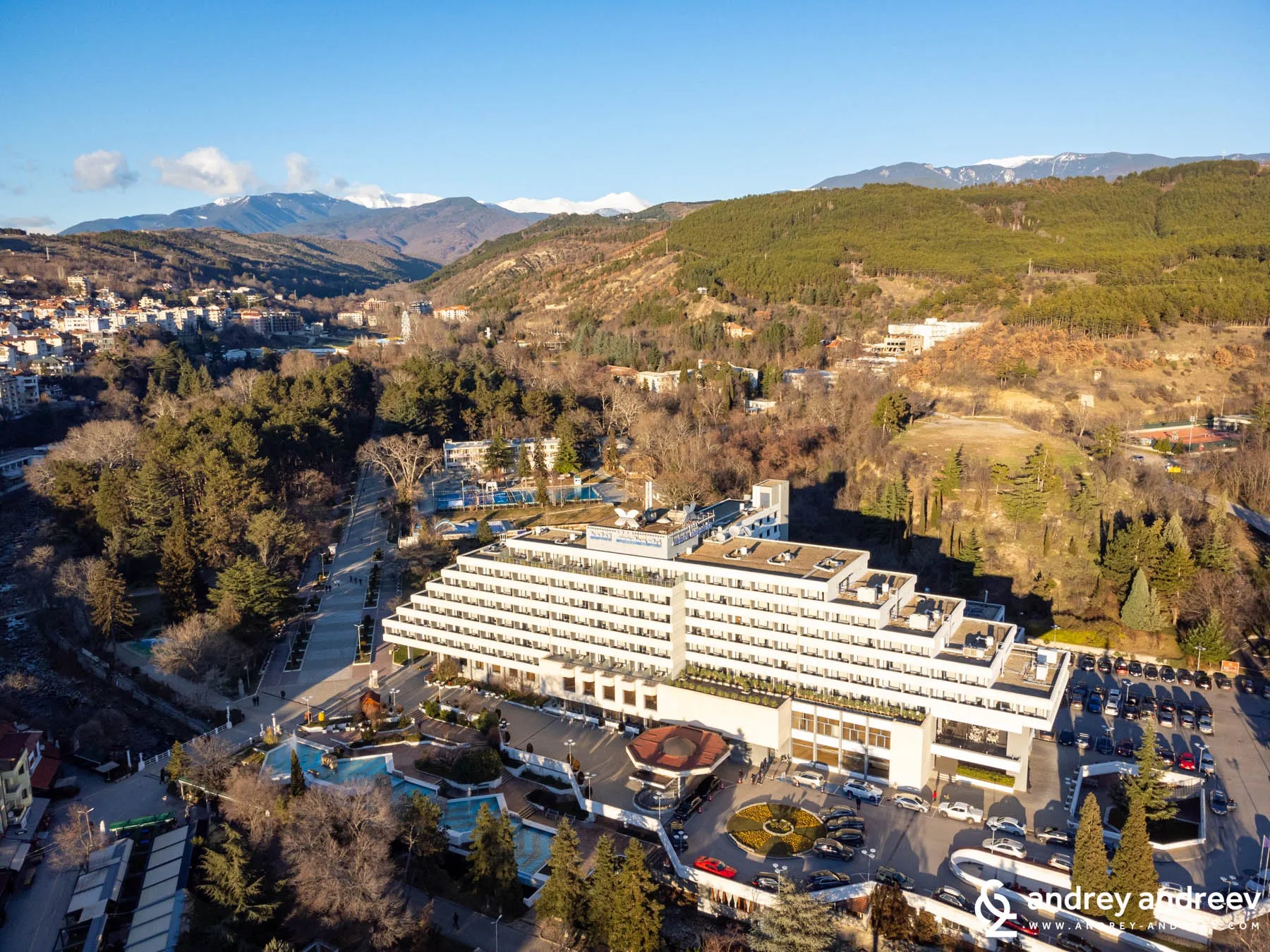
Bulgaria is a country rich in history and natural wonders. Its thermal springs and ancient tombs offer visitors a unique combination of wellness, culture, and historical exploration. From mineral-rich waters to archaeological treasures, these attractions reflect Bulgaria’s diverse heritage and natural beauty.
Bulgaria’s Famous Thermal Springs
Bulgaria is renowned for its thermal springs, which have been used for centuries for their healing properties. Towns like Velingrad, Hisarya, and Sandanski attract tourists seeking wellness, relaxation, and rejuvenation. The thermal waters are rich in minerals such as calcium, magnesium, and sulfur, believed to aid in treating joint pain, skin conditions, and stress.
Spas and wellness resorts built around these springs offer modern amenities alongside traditional therapies. Visitors can enjoy hot mineral baths, hydrotherapy, mud treatments, and massage sessions in serene natural settings. The combination of natural healing and tranquil surroundings makes Bulgaria a prime destination for wellness tourism.
Ancient Tombs and Archaeological Heritage
Alongside wellness, Bulgaria is home to ancient tombs dating back thousands of years. Sites like the Thracian tombs in Kazanlak, Sveshtari, and Panagyurishte showcase intricate carvings, murals, and burial artifacts. These tombs provide insight into the Thracian civilization, one of Europe’s earliest societies known for its rich culture and artistic achievements.
The tombs are UNESCO World Heritage sites and attract archaeologists, historians, and tourists alike. Visitors can explore preserved chambers, learn about ancient rituals, and appreciate the craftsmanship that has endured for millennia. The combination of historical significance and visual beauty makes these tombs a highlight for cultural travelers.
Connecting Wellness and Culture
Bulgaria’s thermal springs and ancient tombs together create a unique tourism experience. Visitors can spend part of their journey relaxing in mineral-rich waters and another part exploring historic sites. This blend of wellness and culture appeals to travelers seeking meaningful experiences, combining physical rejuvenation with intellectual enrichment.
Many travel agencies offer packages that include spa stays and guided tours of archaeological sites. These programs allow visitors to immerse themselves fully in Bulgaria’s natural and cultural heritage while enjoying modern comforts and hospitality.
Tourism and Local Communities
The growth of wellness and cultural tourism has positively impacted local communities. Spa towns and heritage sites provide jobs in hospitality, guiding services, and conservation. Local businesses benefit from increased tourism, while cultural preservation efforts ensure that historic sites remain protected for future generations.
Tourism boards encourage responsible travel, reminding visitors to respect natural springs, follow site regulations, and support local culture. This approach helps maintain both environmental sustainability and historical integrity.
Planning a Visit
The best time to visit Bulgaria’s thermal springs is during spring and autumn, when the weather is mild, and the spas are less crowded. Ancient tombs can be visited year-round, with guided tours available in multiple languages. Travelers are advised to plan ahead for accommodations and entrance tickets, especially for UNESCO-listed sites.
Conclusion
Bulgaria’s thermal springs and ancient tombs offer a remarkable combination of wellness, history, and cultural heritage. From soothing mineral waters to the awe-inspiring Thracian tombs, visitors can experience both relaxation and discovery.
Whether seeking healing, exploration, or cultural enrichment, Bulgaria provides a unique journey that connects the past with the present, leaving travelers with lasting memories of its natural and historical treasures.

