

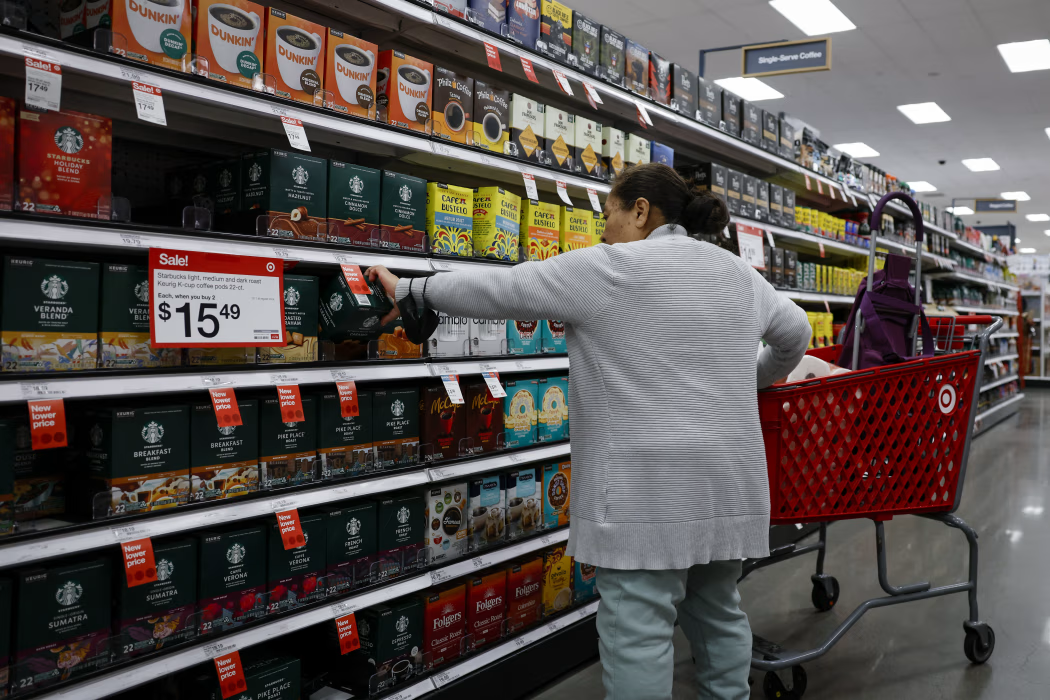
President Trump has announced a rollback of tariffs on several imported goods, including beef, coffee, and tropical fruits. The move is aimed at lowering prices for consumers and easing financial pressure on households.
The rollback affects products that have been taxed under recent trade policies. By removing these tariffs, imported goods are expected to become more affordable, potentially boosting consumer spending. Economists say this step could also help stabilize prices in grocery stores and retail markets.
The administration frames the change as a direct effort to provide consumer relief. Analysts note that tariffs on everyday items have long been a concern for American shoppers, as added costs are often passed down to consumers. With the rollback, families may see noticeable savings on commonly purchased products.
Coffee, a staple in many households, is among the key imports affected. U.S. coffee prices have been under pressure due to high tariffs and limited supply, especially from major exporters like Brazil. Experts suggest that removing tariffs could make coffee more accessible and reduce retail costs.
Similarly, tariffs on beef and tropical fruits such as bananas and pineapples have contributed to higher prices in recent years. The rollback is expected to ease these pressures, benefiting both consumers and businesses reliant on imported ingredients. Retailers may also adjust pricing to reflect lower import costs, creating broader economic relief.
Supporters of the policy argue that it reflects a shift toward more consumer-friendly trade decisions. By reducing tariffs on essential and popular items, the government seeks to balance trade protection with affordability for everyday buyers. Some analysts call it a pragmatic approach to address inflationary pressures.
Critics, however, caution that the rollback may have long-term trade implications. While consumers benefit in the short term, reducing tariffs could affect domestic producers who previously relied on import protections. Nonetheless, the immediate effect is widely expected to ease financial burdens for households across the country.
The rollback is part of a larger economic strategy aimed at stabilizing prices and encouraging market competition. Officials suggest that by making imports more affordable, domestic markets will experience less volatility, and consumers will have access to a wider range of products.
International trade experts note that this decision could also improve relations with major exporters. Countries supplying coffee, beef, and fruits may welcome the change, potentially opening the door to stronger trade partnerships.
Many consumers are already anticipating the benefits. Lower grocery bills, more competitive pricing, and improved product availability are among the expected outcomes. Retailers may pass on these savings, amplifying the impact on households and supporting economic activity.
Economists say the rollback also sends a signal about the administration’s responsiveness to consumer concerns. By adjusting tariffs on items that directly affect daily life, policymakers demonstrate a focus on easing economic pressures without completely abandoning trade strategies.
Overall, the tariff rollback provides immediate relief for consumers and could positively influence market prices. While debates continue over trade policy and domestic protection, the decision offers tangible benefits to Americans buying everyday goods.

