

Sofia has formally applied for UNESCO heritage status for two of its most celebrated cultural traditions: the city’s Nestinarstvo fire-dancing ritual and the Rose Festival. Officials say the move is aimed at preserving and promoting these unique practices while highlighting Sofia’s cultural identity on a global stage.
The application underscores Sofia’s commitment to safeguarding traditions that have shaped the city’s artistic and social life for generations. Both Nestinarstvo and the Rose Festival are deeply intertwined with local history and are considered symbols of the city’s creativity and community spirit.
Nestinarstvo: A Living Tradition
Sofia and the surrounding regions have a long-standing tradition of Nestinarstvo, a ritual fire-dancing ceremony performed in honor of saints, particularly Saint Constantine and Saint Helena. Practitioners dance barefoot over hot embers, accompanied by music and chants, creating a mesmerizing display of devotion and cultural expression.
UNESCO recognition could help ensure that this ritual continues to receive support and attract new audiences. Officials argue that the designation would highlight the artistic, spiritual, and educational value of Nestinarstvo, while safeguarding techniques, performances, and community engagement for future generations.
The Rose Festival: A Spectacular Celebration
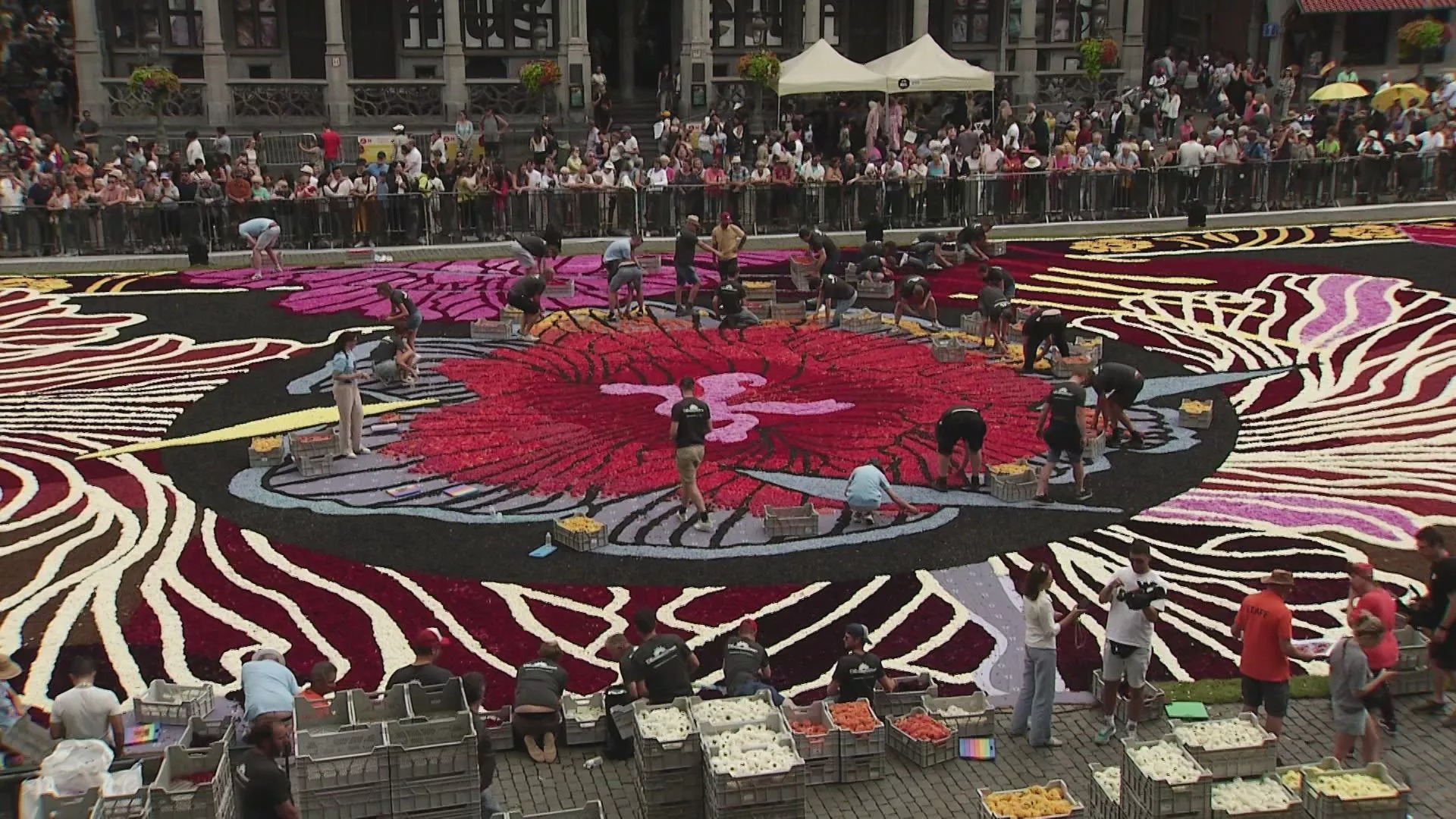
Every year, Sofia and the nearby Rose Valley host the famous Rose Festival, celebrating the city’s rich tradition of rose cultivation and rose oil production. The event features colorful parades, folk dances, traditional music, and the crowning of a Rose Queen, showcasing Bulgaria’s horticultural expertise and artistic heritage.
Organizers say the Rose Festival is a living cultural practice that involves hundreds of local farmers, artisans, and performers. Recognition by UNESCO could help protect the festival’s heritage, ensure funding, and promote global awareness of this unique artistic and agricultural tradition.
Cultural and Economic Significance
Both Nestinarstvo and the Rose Festival contribute significantly to Sofia’s cultural identity and tourism economy. The city attracts visitors eager to experience these traditions, supporting local businesses, hotels, and restaurants. UNESCO recognition could enhance Sofia’s international profile, drawing more tourists and cultural enthusiasts.
Experts note that heritage status can also encourage educational programs, apprenticeships, and community initiatives, fostering appreciation among younger generations. “These traditions are living expressions of Sofia’s creativity and cultural roots,” a cultural official said. “UNESCO recognition would help ensure they thrive for years to come.”
International Recognition and Preservation
UNESCO heritage status is not only an honor but also a practical tool for preservation. It offers international visibility, funding opportunities, and frameworks for sustainable management of cultural practices. Sofia’s bid reflects the city’s proactive approach to cultural conservation, combining artistic excellence with social participation.
Officials highlight that the recognition process involves rigorous documentation of history, techniques, community involvement, and cultural impact. Sofia is collaborating with cultural institutions, local artists, and historians to strengthen its application.
Looking Ahead
If successful, Sofia would join a global list of cities recognized for their intangible cultural heritage. This could encourage other cities to safeguard local traditions while demonstrating how cultural practices contribute to urban identity, tourism, and education.
Meanwhile, local communities are rallying behind the bid, expressing pride in traditions that have defined Sofia for generations. Both Nestinarstvo and the Rose Festival are expected to continue captivating audiences, while UNESCO status could provide the framework to secure their future.
Conclusion
Sofia’s pursuit of UNESCO heritage recognition for Nestinarstvo and the Rose Festival reflects the city’s dedication to preserving cultural identity. These traditions are living symbols of creativity, community, and artistry.
By securing international recognition, Sofia aims to celebrate and protect these practices, ensuring that future generations can experience the magic of fire-dancing and the beauty of the rose festival for years to come.

