

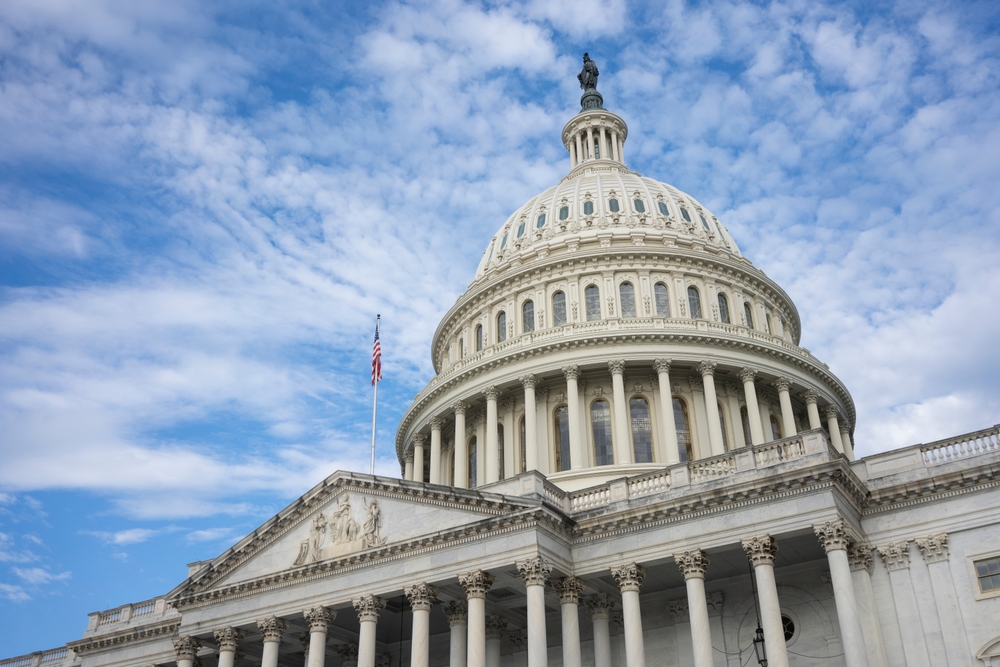
The United States Senate has approved a key funding bill that could end the nation’s record-breaking government shutdown within days. The measure passed late on Monday in a 60-40 vote, with nearly all Republicans and eight Democrats supporting it. The agreement secures federal funding through the end of January.
The bill now moves to the House of Representatives, which must approve it before President Donald Trump can sign it into law. Trump indicated earlier on Monday that he would support the deal. The breakthrough followed a weekend of intense bipartisan talks aimed at reopening government agencies and getting federal employees back to work.
Unusual Bipartisan Unity in the Senate
Republicans hold a 53-47 majority in the Senate and needed 60 votes to pass the bill. Democratic Senators Dick Durbin, John Fetterman, Catherine Cortez Masto, Maggie Hassan, Tim Kaine, Jackie Rosen and Jeanne Shaheen joined Republicans in support. Maine’s independent senator Angus King, who works closely with Democrats, also voted in favour.
Only one Republican, Rand Paul of Kentucky, voted against the measure. When the result was announced, the remaining senators applauded. “We are reopening government and making sure federal employees finally receive their pay,” said Republican Senator Susan Collins, one of the bill’s main authors.
Shutdown Hits Workers and Services Nationwide
Since October, about 1.4 million federal employees have been affected by the shutdown, many working without pay or sent home on unpaid leave. The closure has caused major disruptions in air travel, food assistance and other vital public services.
FlightAware reported that more than 2,400 flights were cancelled and 9,000 delayed on Monday. Food aid for 41 million low-income Americans has been suspended, while many agencies have slowed or stopped operations entirely. Communities across the country have felt the effects of halted programs and unpaid workers.
House Faces Narrow Path to Approval
The Republican-controlled House of Representatives will now decide the bill’s fate. Members have been away from Washington since mid-September, but Speaker Mike Johnson has called them back for a vote starting Wednesday.
Republicans hold only a two-seat majority, making the vote extremely tight. Both parties face rising public pressure to end the shutdown quickly and restore essential government functions before further damage is done.
What the Funding Deal Contains
The agreement funds government operations until 30 January and provides full-year budgets for the Department of Agriculture, military construction and legislative agencies. It guarantees back pay for federal workers and extends the Supplemental Nutrition Assistance Program (SNAP) through next September.
It also sets a December vote on extending healthcare subsidies that are due to expire this year. These subsidies help millions of Americans afford health insurance through government exchanges. Democrats had demanded this commitment before supporting the bill.
Divisions Emerge Among Democrats
The deal was negotiated by Senate Majority Leader John Thune, the White House, and Democratic Senators Jeanne Shaheen and Maggie Hassan, with Angus King also involved. However, the compromise exposed divisions within the Democratic Party.
California Governor Gavin Newsom criticised the agreement, calling it “pathetic.” Senate Minority Leader Chuck Schumer said the bill “does nothing to solve America’s healthcare crisis.”
Virginia Senator Tim Kaine, who supported the measure, defended the compromise, saying federal workers in his state were “grateful” for the progress. Thune promised to revisit healthcare subsidies in December, though Speaker Johnson has already said he will not allow a House vote on the issue.
Trump Pledges Quick Action if Bill Passes
President Trump told reporters on Monday that he would sign the funding bill once it reaches his desk. “We’ll be opening up our country very quickly,” he said from the Oval Office. “The deal is very good.”
If the House approves the measure, the government could reopen within days, restoring paychecks, restarting essential services and closing a historic chapter in Washington’s political gridlock.

