

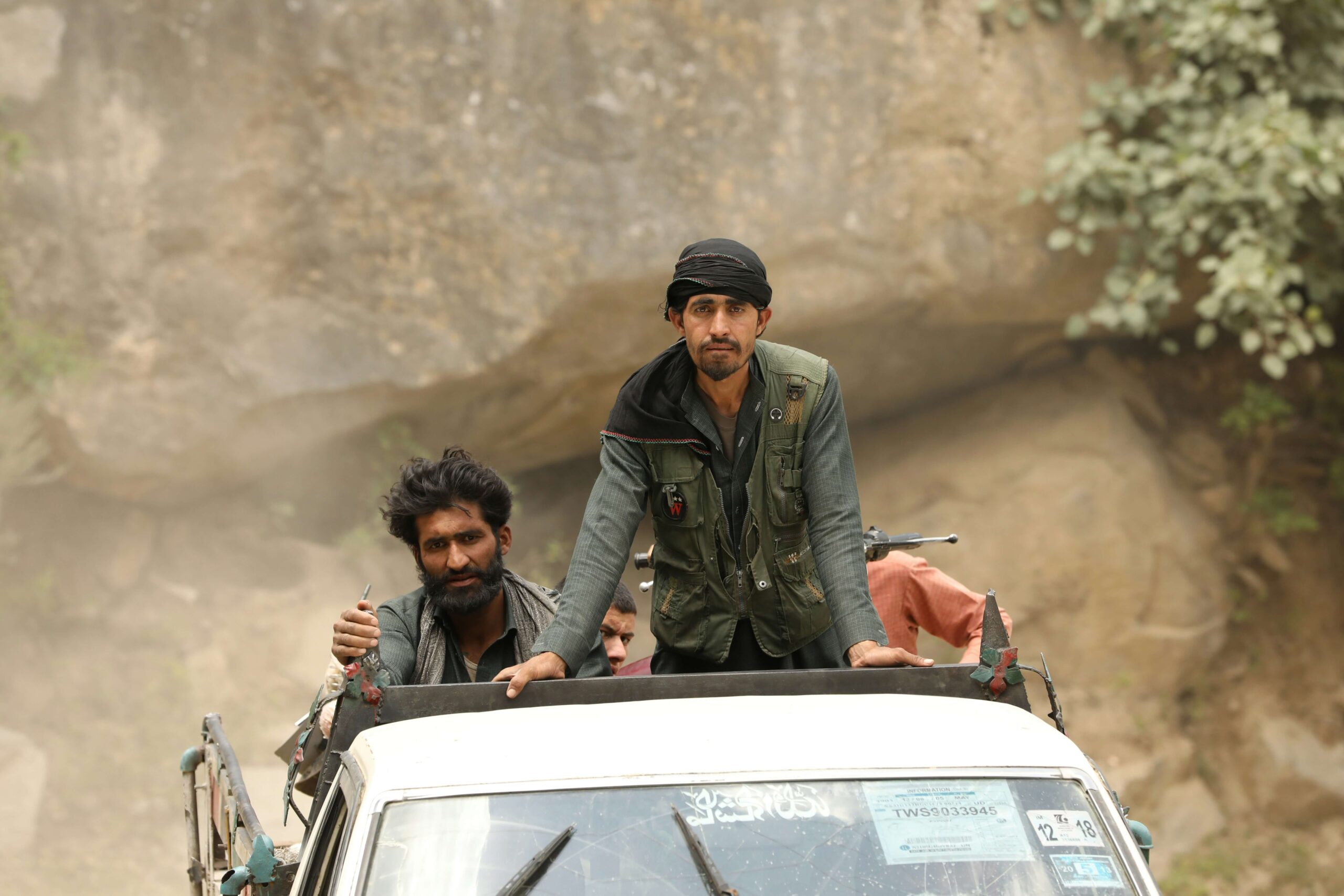
Pakistan Strikes Back After Taliban Attacks
Tensions between Pakistan and Afghanistan escalated sharply after months of relative calm along their 2,600-kilometre mountainous border. Early Friday, Pakistan launched airstrikes on Kabul and other Afghan cities, declaring “open war” following Taliban attacks on Pakistani border posts.
Pakistani Defence Minister Khawaja Asif said Islamabad’s patience had “run out.” Pakistan’s military reported that its Operation Ghazab lil Haq (“Righteous Fury”) killed 133 Taliban fighters and targeted key military installations in Kabul and Kandahar, where Taliban leader Hibatullah Akhundzada is based. The Afghan Taliban confirmed strikes in three provinces and reported counterattacks against Pakistani positions, while Kabul’s Defence Ministry said eight soldiers were killed.
Origins of the Conflict
The conflict stems from Pakistan’s claim that the Taliban harbours Tehrik-e-Taliban Pakistan (TTP) militants inside Afghanistan, who carry out attacks across the border. The TTP, formed in 2007, seeks to overthrow the Pakistani government and enforce its interpretation of Islamic law, conducting over 1,000 violent incidents in 2025 alone.
Although separate from the Afghan Taliban, the TTP maintains ideological and social ties with them. Pakistan accuses the Taliban of failing to act against the group, and possibly even supporting it. Border regions in Khyber Pakhtunkhwa and Balochistan have also faced increased violence from separatist groups, while the Durand Line remains a long-standing point of contention, with Afghanistan refusing to recognise it.
Regional Politics and India’s Role
Some analysts link Pakistan’s frustration not only to security concerns but also to Kabul’s perceived closeness to India. Defence Minister Asif warned that Taliban ties with New Delhi could have consequences, saying Afghanistan had turned into “a colony of India” while ignoring regional stability.
The Taliban rejected these claims, insisting Afghan territory has not been used to attack any state and describing the TTP conflict as Pakistan’s internal issue. Since returning to power in 2021, the Taliban have faced multiple Pakistani airstrikes. Despite a Qatar-mediated ceasefire in October 2025, clashes have continued intermittently, and peace talks in November failed to produce a lasting resolution, leaving the region on edge.

