

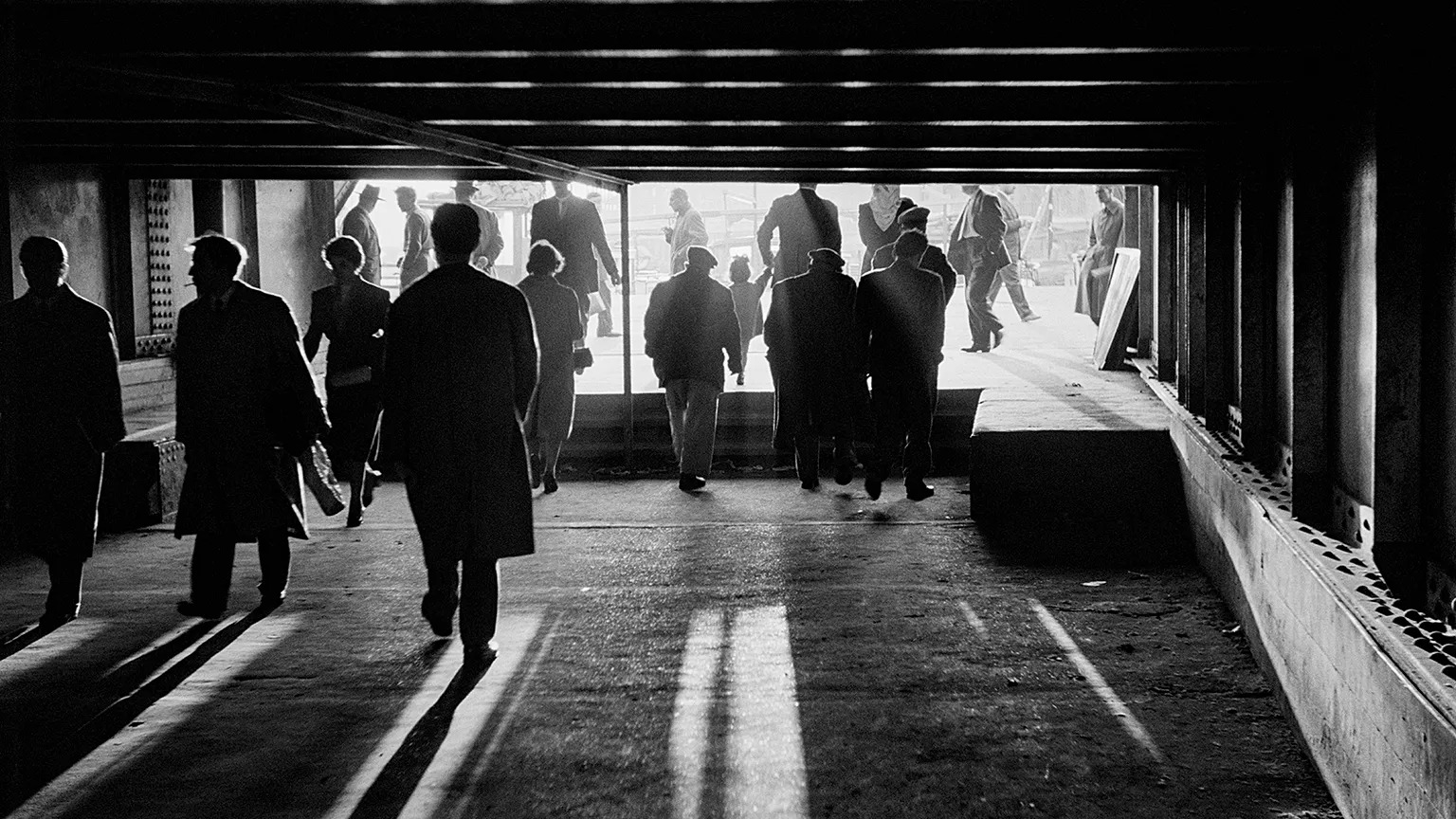
Sofia is undergoing a significant transformation as city officials prioritize pedestrianisation in key areas. This shift, aimed at reducing car traffic, enhancing urban life, and promoting sustainability, reflects broader societal changes in how citizens interact with public spaces and urban environments.
Pedestrian zones have expanded in the city center, allowing residents and visitors to walk freely, enjoy public spaces, and access shops, cafes, and cultural sites without vehicle congestion. City planners argue that these measures are not merely traffic policies but part of a larger social and environmental transformation.
Redefining Urban Mobility
Pedestrianisation changes how people move through the city. By prioritizing walking, cycling, and public transport, Brussels encourages more sustainable mobility patterns. Officials note that reducing car traffic improves air quality, lowers noise pollution, and contributes to healthier lifestyles.
“Pedestrian zones are more than convenience,” a city mobility official said. “They reshape the way people experience Brussels, making streets safer, more accessible, and more enjoyable.”
Impact on Public Life
Creating pedestrian-friendly areas transforms public life. Open streets become spaces for social interaction, cultural activities, and leisure. Residents can enjoy markets, outdoor seating, and events in safer, more inviting environments.
Businesses in pedestrianised areas report increased foot traffic, with cafes, shops, and local markets benefiting from more engaged and mobile customers. Urban planners note that vibrant pedestrian spaces also encourage community cohesion and improve overall quality of life.
Environmental and Societal Benefits
Beyond convenience, pedestrianisation contributes to Brussels’ sustainability goals. Reduced vehicle emissions help combat climate change, while quieter streets improve mental well-being. The initiative aligns with broader European objectives of creating green, livable, and people-centered cities.
Pedestrianisation also challenges societal habits. Citizens adapt to new mobility patterns, including public transport usage, cycling, and walking. These changes promote healthier lifestyles and foster a collective sense of responsibility toward sustainable urban living.
Challenges and Criticism
Despite the benefits, pedestrianisation faces criticism. Some residents and businesses argue that restrictions on car access can inconvenience deliveries, commuting, and accessibility for certain groups. City officials respond by introducing flexible regulations, designated delivery hours, and accessible transport solutions.
Urban planners emphasize that pedestrianisation is a gradual process. Public consultation, trial periods, and careful monitoring are crucial to balance mobility needs with social and economic benefits.
Pedestrianisation as Societal Transformation
The transformation of Brussels through pedestrianisation illustrates a broader societal trend: cities reimagining spaces for people rather than vehicles. It signals a shift toward prioritizing environmental sustainability, social interaction, and inclusive urban development.
Experts suggest that such initiatives reflect evolving urban values, where quality of life, health, and community engagement take precedence over traditional traffic-centric planning. Brussels serves as a case study in how urban policy can influence societal behavior and reshape city living.
Looking Ahead
City authorities plan to expand pedestrian zones further while integrating cycling paths, public transport hubs, and green areas. Ongoing evaluation will help refine policies, ensure accessibility, and maximize benefits for residents, visitors, and local businesses.
The transformation of Brussels offers insights for other European cities seeking sustainable and people-centered urban solutions. Pedestrianisation is emerging as a tool not only for mobility but for societal change.
Conclusion
Sofia’ pedestrianisation initiatives represent more than traffic management—they mark a societal transformation. By prioritizing people over vehicles, the city fosters sustainability, vibrant public spaces, and healthier lifestyles.
As Sofia continues to evolve, pedestrianisation serves as a model for urban change, demonstrating how thoughtful city planning can reshape both mobility and the social fabric of a modern European capital.

