

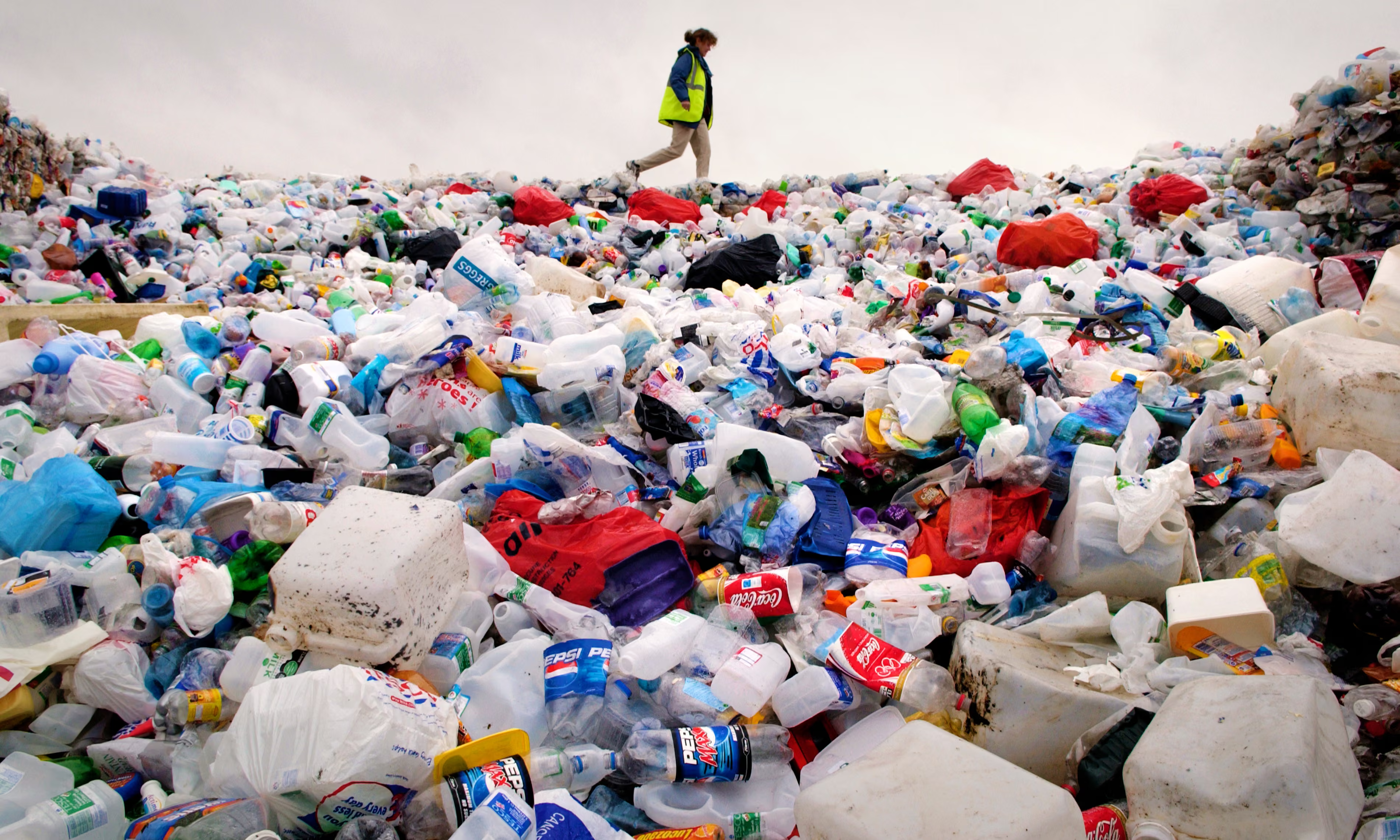
Scientists at Northwestern University have created a new technology that could transform plastic recycling. Their nickel-based catalyst can break down even hard-to-recycle plastics without the need to sort them first. This breakthrough could make recycling faster, cheaper, and more efficient.
Plastic waste is a major environmental challenge. Many plastics cannot be recycled using current methods because they require sorting and special processing. The new catalyst works on a wide range of plastics, including those that usually end up in landfills or oceans.
The research team designed the nickel catalyst to break chemical bonds in plastics. Once broken down, the materials can be converted into reusable chemicals or fuels. This approach turns waste into valuable resources and reduces environmental pollution.
“Sorting plastics is one of the biggest hurdles in recycling,” said a lead scientist. “Our catalyst eliminates that step, making the process simpler and more sustainable.”
Traditional recycling methods struggle with mixed plastics. They often require manual separation or expensive machinery. The new catalyst works on mixed batches, which could dramatically cut costs and increase recycling rates.
The technology could have global implications. Plastic pollution is a worldwide problem, with millions of tons of waste entering oceans every year. By simplifying recycling, this breakthrough can help countries reduce environmental damage and manage waste more effectively.
The researchers also tested the catalyst under various conditions to ensure efficiency and safety. It maintained strong performance over repeated cycles, showing it could work on an industrial scale.
Beyond recycling, this innovation could create new economic opportunities. Companies could convert plastic waste into fuels, chemicals, or new materials, turning pollution into profit. This aligns with growing interest in a circular economy where waste is minimized, and resources are reused.
Experts say this development is a key step in tackling global plastic pollution. Current solutions often fall short, leaving landfills and oceans filled with plastic. Technologies like this could complement existing recycling systems and help reach sustainability goals.
The catalyst’s low-cost design and versatility make it attractive for large-scale adoption. Factories, municipal recycling centers, and even remote communities could benefit from a simpler, more effective recycling method.
Plastic use continues to rise globally, especially in packaging, electronics, and consumer goods. Without better recycling solutions, waste will keep accumulating. Breakthroughs like the nickel catalyst offer a pathway to reduce the environmental impact while creating new resources.
Northwestern University researchers are now exploring ways to scale up production. They aim to demonstrate that plastic recycling with the catalyst can be done on a commercial level while remaining affordable and environmentally friendly.
If widely implemented, this technology could revolutionize how the world handles plastic. It promises cleaner oceans, fewer landfills, and a more sustainable approach to one of the planet’s most pressing environmental challenges.

