

A bold shift in global entertainment
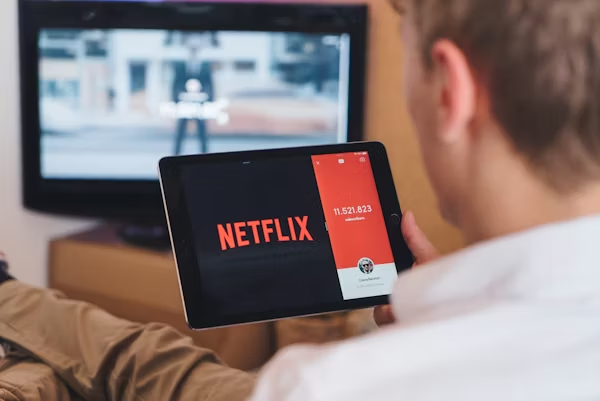
Netflix plans to acquire the film and streaming divisions of Warner Bros Discovery for 72 billion dollars. The company wins a competitive bidding race against Comcast and Paramount Skydance. Warner Bros controls major franchises like Harry Potter and Game of Thrones. It also operates the streaming service HBO Max. The merger would create a dominant entertainment force, though regulators must still approve it. Industry groups warn of potential risks to workers and audiences.
Netflix co-chief executive Ted Sarandos says he is confident about receiving approval. He says combining both libraries will give viewers more of the stories they love. He argues that Warner Bros defined entertainment for the past century, and the two companies can define the next.
Greg Peters, the other co-chief, says HBO remains a vital brand for audiences. He adds that it is too early to share specific plans for the merged service.
Savings, strategy and content plans
Netflix expects two to three billion dollars in savings. Most reductions will target overlapping support and technology departments. Warner Bros will continue releasing films in cinemas. Its television studio can still produce shows for outside partners. Netflix will maintain its exclusive production strategy for its own platform.
Sarandos calls the deal a historic step for both companies. He says some investors may feel surprised, but he views it as a rare opportunity to secure long-term growth. David Zaslav, chief executive of Warner Bros, says the merger unites two of the world’s strongest storytelling companies. He adds that the partnership will ensure powerful stories reach audiences for generations.
The offer values each Warner Bros share at 27.75 dollars. The enterprise value totals about 82.7 billion dollars. The equity value stands at 72 billion dollars. Both boards approve the deal unanimously.
Industry backlash grows
The Writers Guild of America urges regulators to block the merger. It warns of job losses, lower wages, and weaker working conditions. It also cautions that viewers may face higher prices and less content variety. Michael O’Leary of Cinema United calls the deal a threat to cinemas worldwide. He fears damage to both large chains and small independent theatres.
Netflix will complete the takeover once Warner Bros finalises its planned split into two companies. Discovery Global will operate the networks division, including major US news and sports channels and several European free-to-air networks. TNT Sports International will remain with the studios and streaming division sold to Netflix.
Hollywood faces a major transformation
Analyst Paolo Pescatore says the deal highlights Netflix’s ambition to lead global streaming. He warns that merging two large businesses may create significant challenges. Paramount previously tried to buy the full company, but Warner Bros rejected that offer before seeking new buyers.
Tom Harrington of Enders Analysis says approval would reshape Hollywood in dramatic ways. He predicts deep cuts in film and television output from a merged company. He also expects resistance from unions and major industry groups. He warns that subscription prices may rise for households.
Danni Hewson of AJ Bell says Netflix reduces some concerns by pledging to keep Warner Bros films in cinemas. She says rapid regulatory approval could unlock major savings. She adds that regulators will monitor Netflix’s pricing power closely in the coming months.

