

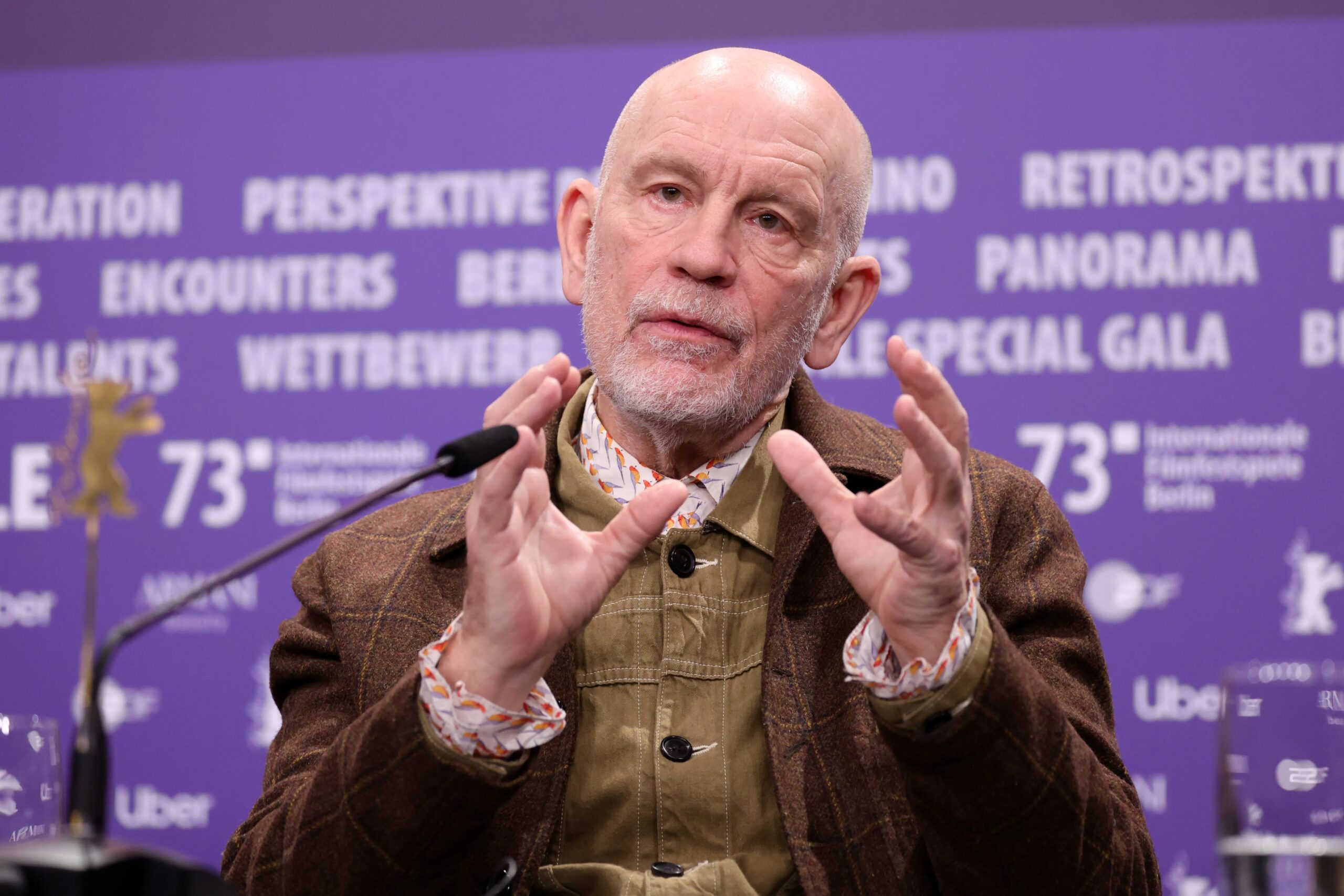
Hollywood actor John Malkovich’s recent film premiere in Bulgaria has sparked protests, drawing significant attention from both local media and international observers. The premiere, which took place in a major city cinema, became a focal point for public dissent due to controversial elements associated with the film and its promotion.
Protesters gathered outside the venue, holding banners and chanting slogans expressing disapproval. The demonstrations highlighted a mix of political, cultural, and social concerns, showing that the premiere resonated beyond the entertainment community.
Reasons Behind the Protests
Local sources report that the protests stemmed from the film’s themes and its perceived messaging, which some groups found provocative or offensive. Activists argued that the content challenged social norms or cultural values, prompting public demonstrations ahead of the screening.
Organizers of the protest emphasized the right to express dissent in a democratic society, stating that the public should have a voice in evaluating cultural events that impact social discourse. Many participants felt that the premiere was emblematic of broader debates about artistic freedom, responsibility, and societal values.
Malkovich and the Event
John Malkovich attended the premiere, engaging briefly with the media and fans. While he did not directly address the protests, his presence was a reminder of his global stature and the high expectations surrounding his projects.
The premiere itself proceeded as scheduled, with heightened security and police monitoring to ensure the safety of attendees, the actor, and the protestors. Organizers noted that the situation remained largely peaceful despite heightened tensions outside the venue.
Public Reactions and Social Media
News of the protests quickly spread on social media, with hashtags related to the premiere trending regionally. Supporters of the film praised Malkovich’s work and defended artistic expression, while critics highlighted the social concerns driving the demonstrations.
The online discourse reflected the polarized opinions, with debates about freedom of expression, ethical storytelling, and cultural sensitivity taking center stage. Public response demonstrated that the film’s release had an impact far beyond the screening room, sparking conversations about art and accountability.
Cultural and Political Implications
Experts note that such protests are part of a broader trend in which cultural events intersect with social and political issues. Films, art exhibitions, and performances often become platforms for debate, raising questions about public values, artistic boundaries, and societal norms.
In Bulgaria, the incident illustrates how entertainment events can quickly become focal points for civic engagement, highlighting the role of cultural products in reflecting and shaping public opinion.
Moving Forward
Authorities and event organizers are reviewing security protocols for future premieres to ensure that both public safety and the right to protest are respected. Meanwhile, cultural commentators suggest that filmmakers and distributors consider local sensitivities and community engagement when launching events internationally.
The premiere controversy may influence future screenings in Bulgaria and other countries, as producers navigate the balance between artistic vision and public perception.
Conclusion
John Malkovich’s film premiere in Bulgaria demonstrates the intersection of cinema, culture, and public discourse. While the event celebrated a high-profile release, it also sparked protests, highlighting the challenges and responsibilities that come with global artistic endeavors.
The incident underscores that film premieres are not just entertainment; they are social events capable of generating debate, reflection, and sometimes dissent, showing the power of art to engage communities in meaningful conversations.

