

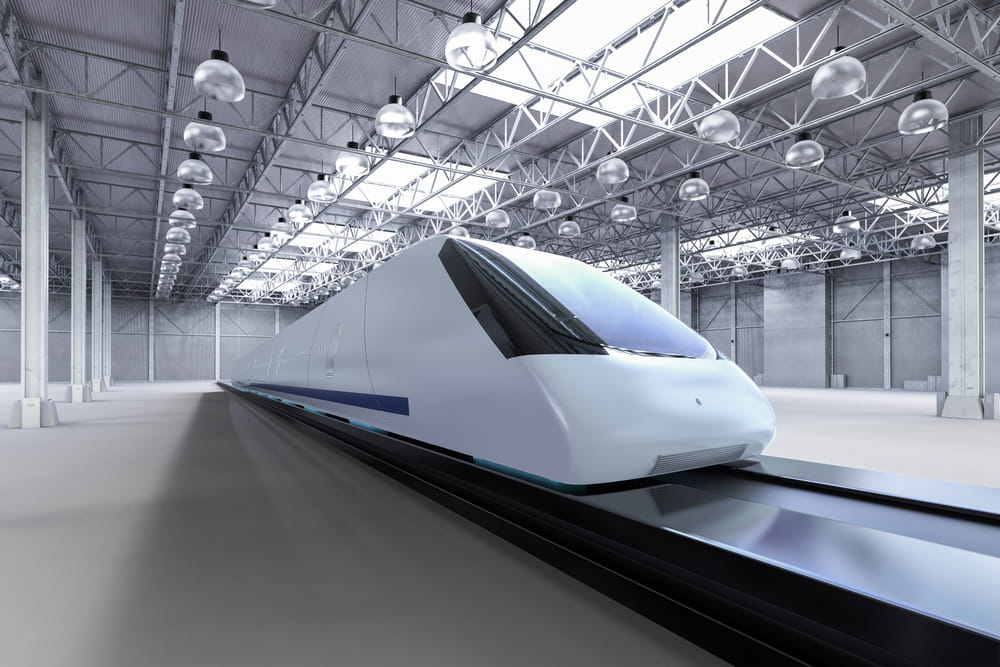
Japan is developing the L0 Series maglev, built by Central Japan Railway Company, which has reached test speeds of 603.5 km/h, making it the fastest train ever. It far exceeds China’s Shanghai Maglev (460 km/h) and Europe’s fastest conventional trains such as the TGV and AGV Italo (around 300–350 km/h).
The train will operate on Japan’s new Chuo Shinkansen, cutting Tokyo–Nagoya journeys to about 40 minutes and Tokyo–Osaka to roughly one hour. However, the project has already been delayed and is now expected to open around 2034–35, with costs near £52bn (€60bn).
Despite the speed, experts say Europe is unlikely to adopt the technology soon. Maglev requires entirely new, tunnel-heavy infrastructure, consumes more power, carries fewer passengers, and is extremely expensive. European rail networks also prioritise comfort, scenery and integration with existing lines—factors that work against ultra-high-speed maglev outside a few business corridors.
Bottom line: the L0 Series is a technological marvel, but its arrival in Europe remains highly unlikely for the foreseeable future.

