

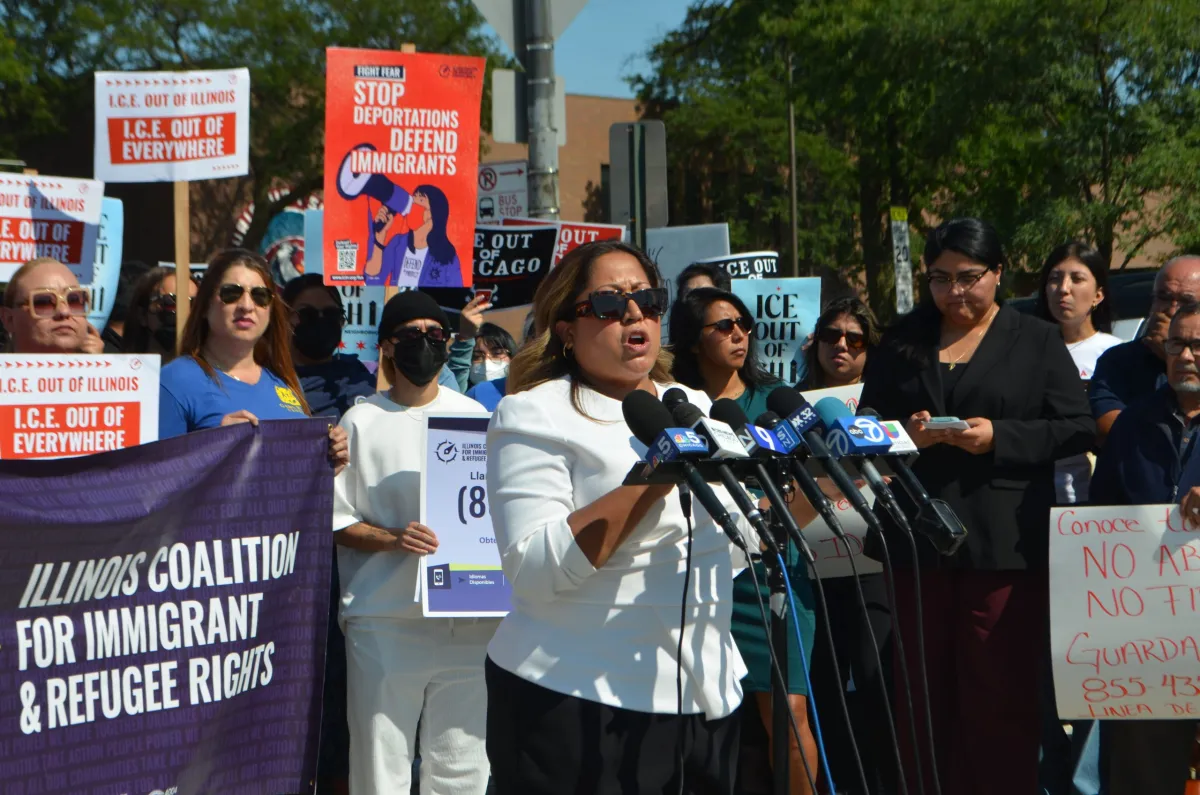
Illinois’ expanded immigrant-protection law took effect immediately, giving communities faster safeguards and legal recourse amid ongoing federal immigration enforcement. The law aims to protect immigrants when accessing courthouses, hospitals, schools, and universities.
Signed by Governor JB Pritzker, the legislation restricts federal immigration officers from conducting enforcement actions in sensitive public spaces without prior authorization. It ensures immigrants can seek legal, medical, and educational services without fear of arrest or detention.
The law also allows individuals to sue if their civil rights are violated. Advocates say this legal recourse strengthens accountability and ensures immigrants can defend themselves against improper federal actions.
Community leaders praised the law for providing immediate protections. “This gives our families peace of mind and ensures they can access essential services safely,” said a local immigrant advocate.
Courthouses are now recognized as safe spaces under the law. Immigrants can attend hearings, file legal documents, and consult with attorneys without facing federal enforcement in these locations. Hospitals and clinics are also protected, allowing patients to receive timely care.
Educational institutions benefit as well. Schools and universities are included in the law, ensuring students can attend classes and participate in campus life without fear of enforcement. Administrators say this helps maintain a supportive learning environment.
Supporters argue the law balances public safety with human rights. While federal authorities retain overall enforcement authority, the law prioritizes the safety and dignity of immigrants in sensitive areas.
Legal experts note that the right to sue for civil rights violations is a major step. It provides immigrants with a clear path to challenge improper enforcement, promoting fairness and accountability.
Illinois joins other states and cities with “safe zone” policies, reflecting a trend to protect immigrant communities while maintaining law enforcement responsibilities. The law is seen as a model for safeguarding civil rights in sensitive public spaces.
Governor Pritzker emphasized that the legislation reflects Illinois’ commitment to human rights. He noted that the law helps immigrant communities live without fear and access essential services needed for daily life.
The immediate implementation of the law ensures immigrant communities can benefit without delay. State agencies, schools, hospitals, and courts are now preparing to apply the new protections and provide guidance for compliance.
Advocates say the law could have a broader impact beyond immediate protections. By ensuring immigrants can seek services safely, it may reduce stress on families and improve public health outcomes.
The legislation is expected to set a precedent for how states can protect civil rights while federal immigration enforcement continues. Observers note that providing both safeguards and legal recourse strengthens trust between immigrant communities and public institutions.
With the law now active, Illinois is taking concrete steps to protect civil rights, support immigrant families, and ensure that essential services remain accessible to all residents.

