

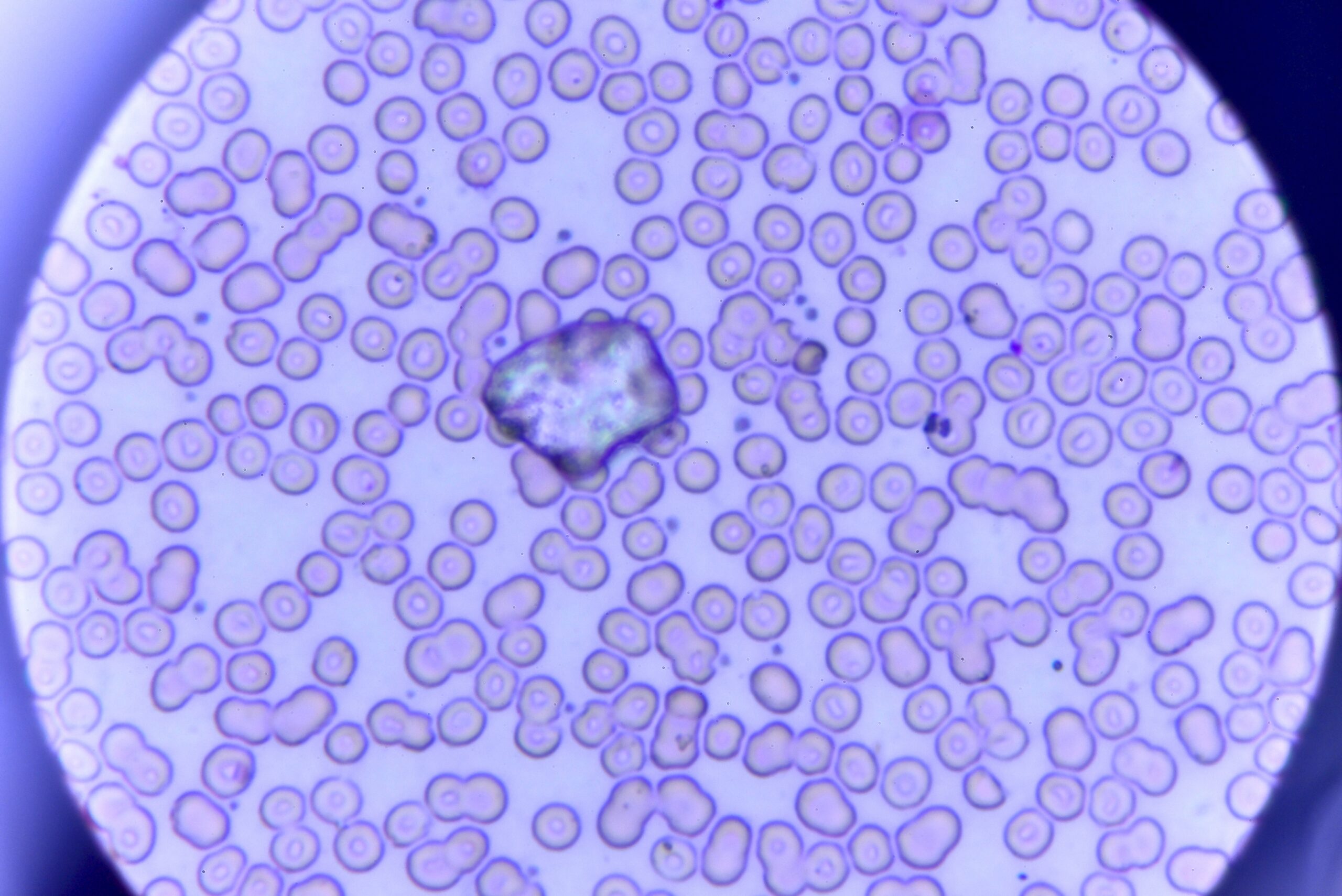
Scientists have successfully created human eggs from skin cells, a development that could transform fertility treatment for people who currently have no other options.
The research, led by Prof Shoukhrat Mitalipov at Oregon Health and Science University, offers hope to older women, cancer survivors, and potentially same-sex male couples. “The largest group of patients who might benefit would be women of advanced maternal age,” Mitalipov said, noting the technique could also apply to men’s cells.
The method adapts somatic cell nuclear transfer, first used to create Dolly the sheep in the 1990s. Researchers replaced the nucleus of donor eggs with nuclei from skin cells, which contain a full set of 46 chromosomes. Since healthy eggs require only 23 chromosomes, the team fertilised the reconstructed eggs with sperm and used a compound called roscovitine to trigger the shedding of half the chromosomes into a polar body.
However, the process is still highly inefficient. Out of 82 eggs created, fewer than 10% developed to the stage embryos are usually transferred during IVF, and none survived beyond six days. Chromosome pairing often went wrong, producing embryos with abnormal complements that could not lead to healthy births.
Despite the setbacks, scientists view the study as a crucial proof of concept. “The ability to generate new eggs would be a major advance,” said Prof Richard Anderson of the University of Edinburgh, while other experts emphasised both the promise and ethical challenges of the technology.
Mitalipov estimated it could take a decade before the process is safe and reliable enough for clinical use. Until then, the breakthrough remains an exciting but early step in reshaping the future of reproductive medicine.

