

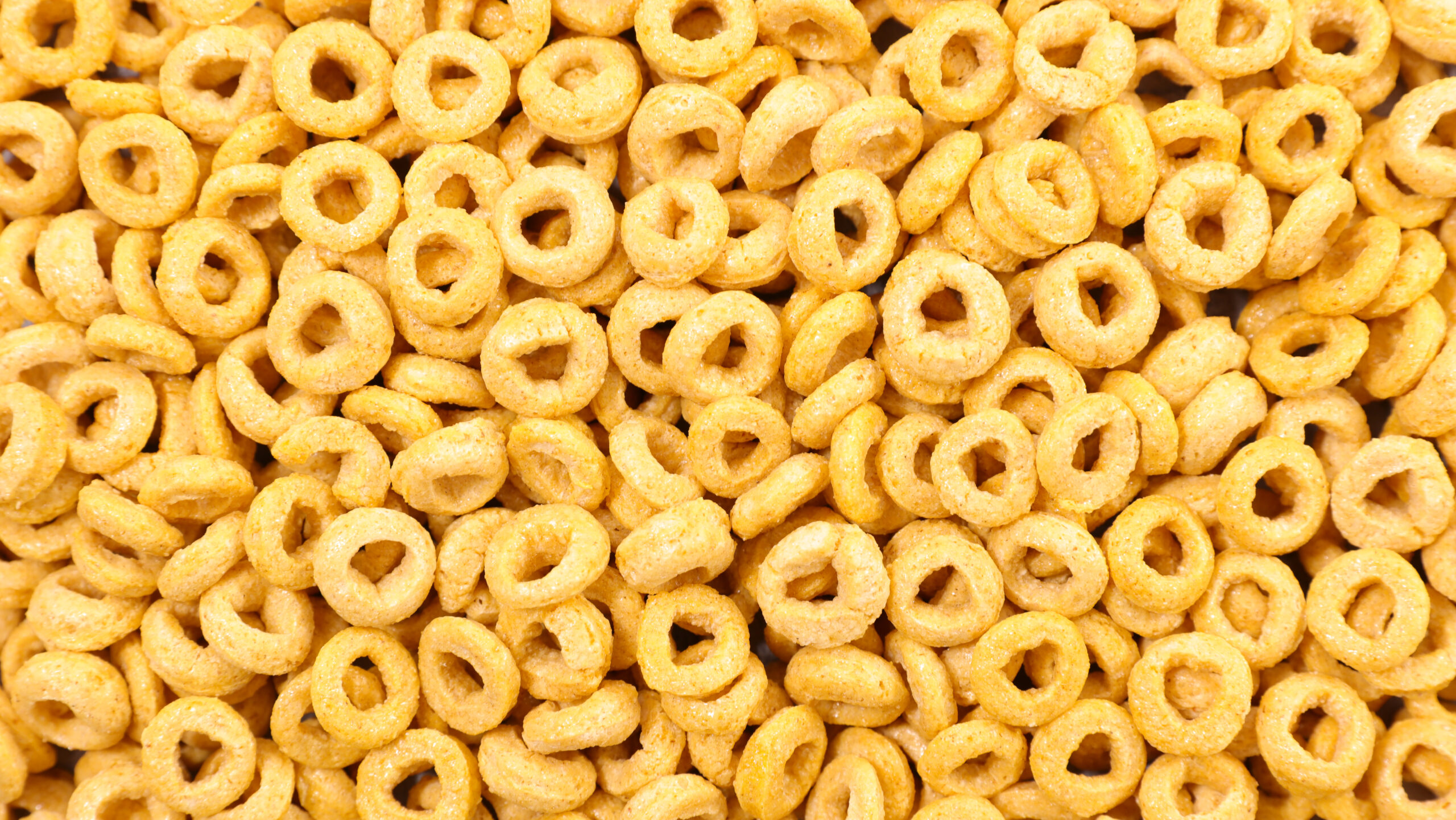
A new study has found unexpectedly high levels of a toxic “forever chemical” in popular cereal products across Europe, raising concerns about long-term health risks and food-chain contamination. Research by Pesticide Action Network Europe (PAN) revealed that breakfast cereals contained the highest concentrations of trifluoroacetic acid (TFA), averaging 100 times higher than levels found in tap water.
The study tested 65 conventional cereal-based foods across 16 countries, detecting TFA in 81.5% of samples. Wheat products showed the highest contamination, with Irish breakfast cereals ranking worst, followed by wholemeal bread from Belgium and Germany, and French baguettes. TFA was also present in pasta, croissants, flour, scones, gingerbread and sweets.
What is TFA and why is it a concern?
TFA is formed when pesticides containing PFAS chemicals break down in soil. PFAS — known as “forever chemicals” — persist for centuries without degrading, allowing them to spread into water systems and crops. Growing evidence links PFAS exposure to cancer risks, immune disruption and thyroid and liver problems. TFA specifically is considered reprotoxic, meaning it may harm fertility, pregnancy and fetal development.
Despite its presence in food, TFA is not routinely monitored by governments, and no specific safety limits have been set.
Calls for urgent action
Campaign groups are urging EU authorities to ban PFAS-based pesticides and tighten limits on TFA exposure, particularly to protect children.
“All people are exposed to TFA through multiple pathways,” said Salomé Roynel of PAN Europe. “This demands immediate action.”
Although the UK was not included in the research, the findings carry implications there as well. The country still allows the use of 27 PFAS-containing pesticide ingredients, six of which are classed as highly hazardous.
The study underscores growing concern about PFAS contamination in everyday foods — and pressure is now mounting for swift regulatory reform to protect public health.

