

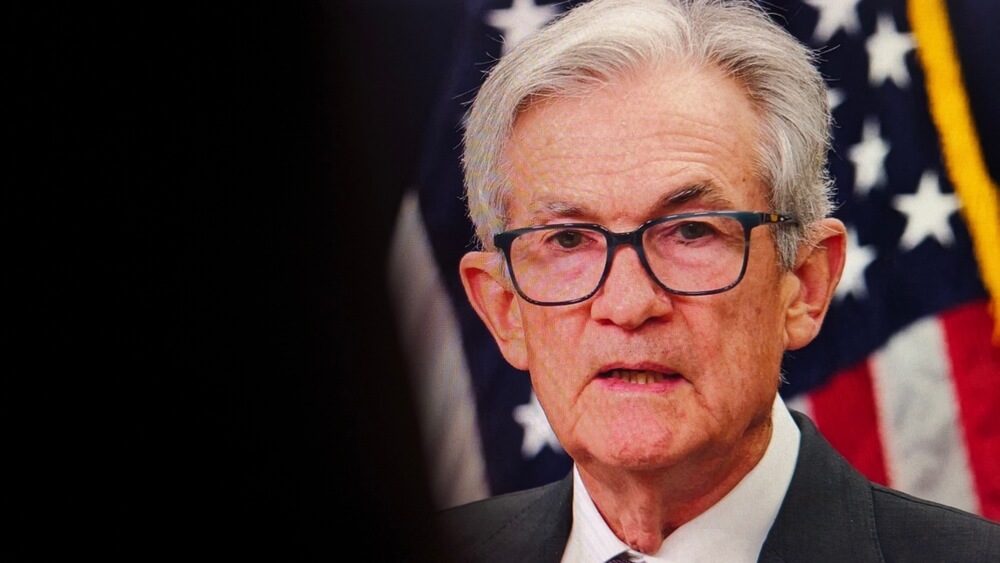
Economy Remains Strong
The US Federal Reserve has decided to hold its key interest rate steady at about 3.6%, following three reductions last year. In its statement, the central bank noted that the job market has stabilized and economic growth is now considered “solid,” an improvement from last month’s “modest” outlook.
With hiring stable and no clear signs of slowing, Fed officials see little urgency to lower rates further at this time.
Inflation and Policy Debate
Most Fed policymakers still expect to reduce borrowing costs later this year, but they want to see inflation move closer to the 2% target first. According to the Fed’s preferred measure, inflation stood at 2.8% in November, slightly higher than a year ago.
Two officials dissented from the decision: Governors Stephen Miran and Christopher Waller favored an additional quarter-point reduction. Miran, appointed by former President Trump, has previously pushed for larger cuts, while Waller is being considered as a potential replacement for Chair Jerome Powell when his term expires in May.
Political Pressure and Uncertainty
The Fed’s decision is likely to draw criticism from Trump, who has repeatedly called for more aggressive rate cuts. Adding to the pressure, Powell revealed earlier this month that the Fed received subpoenas from the Justice Department related to a criminal investigation into his congressional testimony on a $2.5 billion building renovation.
Lowering the key rate can reduce borrowing costs for mortgages, car loans, and business lending, though market forces also play a role. The main question now is how long the Fed will maintain its current stance, as officials remain divided between prioritizing inflation control and supporting employment.

