

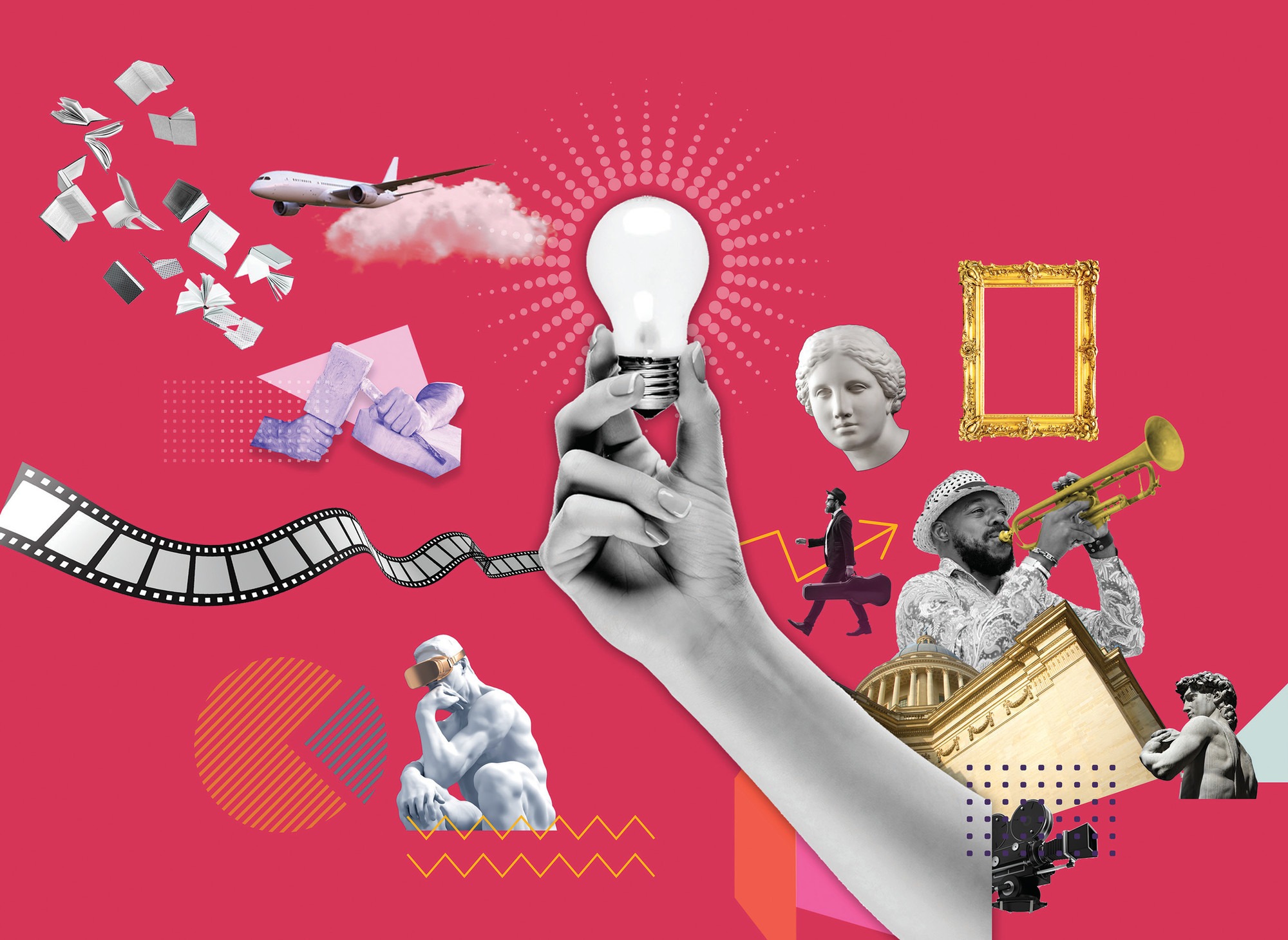
Cities around the world are increasingly recognizing culture as a key driver of sustainable urban development, and Sofia is no exception. Beyond aesthetics and entertainment, cultural initiatives influence social cohesion, economic growth, and environmental sustainability. Urban planners and policymakers in Sofia are integrating culture into city strategies to create vibrant, inclusive, and resilient communities.
Cultural projects—from heritage preservation to creative industries—can revitalize neighborhoods, attract tourism, and foster a sense of belonging. They often serve as catalysts for broader urban regeneration, combining economic, social, and environmental benefits in one approach.
Heritage and Identity
Preserving Sofia’s cultural heritage is central to sustainable urban development. Historic buildings, Orthodox churches, Roman ruins, and traditional practices connect citizens to the city’s past, reinforcing identity and civic pride. Heritage conservation also supports tourism, generating revenue that can be reinvested into local infrastructure and social programs.
For example, integrating landmarks like the Alexander Nevsky Cathedral, Boyana Church, and the Roman Serdica ruins into urban planning enhances community engagement and improves public spaces. Maintaining these cultural sites encourages sustainable practices, such as adaptive reuse of historic buildings instead of new construction, reducing resource consumption and environmental impact.
Creative Industries and Economic Growth
Culture-driven urban development also stimulates Sofia’s economic growth. Creative industries—including design, music, film, and digital media—create jobs, attract talent, and foster innovation. Supporting cultural sectors strengthens entrepreneurship and investment, contributing to a dynamic urban economy.
Cultural hubs, such as art galleries, creative coworking spaces, and performance venues, act as incubators for new businesses, combining artistic production with community interaction. This synergy encourages long-term sustainability and economic resilience in the city.
Social Cohesion and Inclusion
Cultural initiatives in Sofia strengthen social cohesion by creating spaces for dialogue, collaboration, and shared experiences. Festivals like the Rose Festival, folk dance performances, and public art projects promote inclusivity and participation, bridging social and economic divides.
Inclusive urban planning that incorporates cultural activities ensures development benefits all residents. It fosters a sense of ownership and belonging, encouraging communities to engage with city planning, environmental initiatives, and social programs.
Environmental Sustainability
Culture can also promote environmental awareness and sustainable behavior in Sofia. Public art installations, cultural campaigns, and educational projects raise awareness of climate change, urban green spaces, and sustainable lifestyles. Integrating culture with green initiatives encourages citizens to adopt environmentally responsible practices while enjoying creative experiences.
Moreover, urban design inspired by Sofia’s cultural heritage often incorporates sustainable materials, energy-efficient construction, and adaptive reuse. This approach links cultural preservation with environmental responsibility, making the city both livable and resilient.
Policy Implications
Urban policymakers in Sofia are increasingly embedding culture into development strategies. Cities that prioritize cultural investments tend to have higher quality of life, stronger economic performance, and more engaged citizens. Strategic planning involves partnerships between government, private sector, and civil society to maximize cultural impact.
Monitoring and evaluation are also critical. Measuring cultural, social, and economic outcomes ensures that initiatives contribute to long-term sustainable development goals and provide tangible benefits for Sofia’s communities.
Conclusion
Culture is no longer a peripheral aspect of urban planning—it is central to sustainable development. By integrating heritage, creative industries, social inclusion, and environmental awareness, Sofia can create vibrant, resilient, and sustainable communities.
As Sofia grows and evolves, leveraging culture as a driver of development ensures that the city is not only economically and environmentally sustainable but also socially cohesive, inclusive, and rich in identity.

