

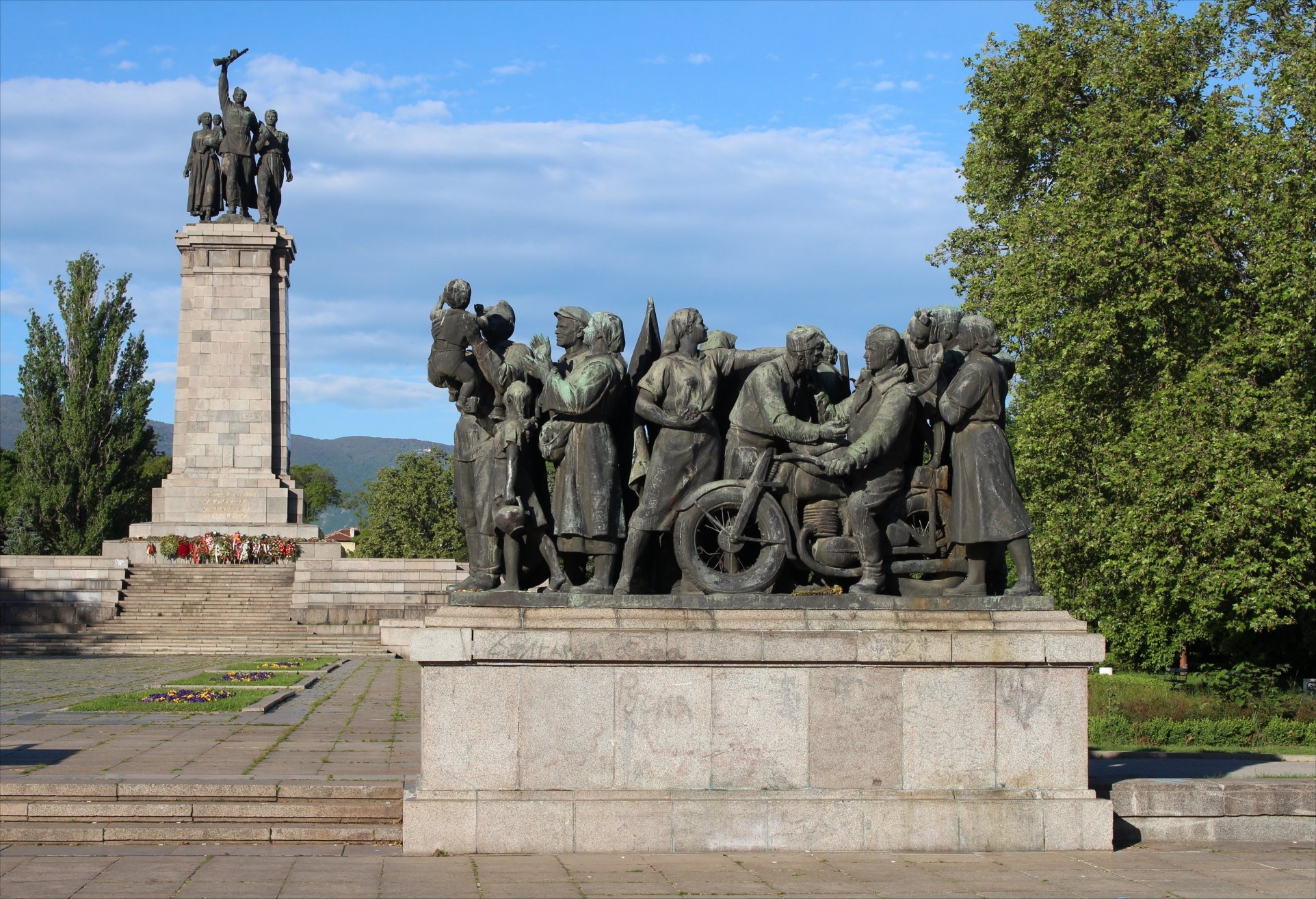
Bulgaria has begun dismantling the Soviet Army monument that has towered over Sofia since 1954, marking the end of a symbolic presence in the city’s skyline. The monument, erected to commemorate the Red Army’s role in World War II, has been a subject of public debate for decades, with opinions divided over its historical and political significance.
Authorities cited urban development and evolving public sentiment as key reasons for the removal. The dismantling process is being conducted carefully to preserve historical artifacts while transforming the space for future civic use.
Historical Context
The Soviet Army monument was constructed shortly after World War II and quickly became one of Sofia’s most prominent landmarks. Standing at the heart of the city, it symbolized Bulgaria’s ties with the Soviet Union during the communist era.
Over the decades, the monument has elicited mixed reactions. Some view it as a reminder of Bulgaria’s liberation from Nazi forces, while others see it as a symbol of Soviet dominance and communist repression. Its removal reflects changing perspectives on history and national identity in post-communist Bulgaria.
Public Reactions
The dismantling has sparked debate across Sofia and the broader country. Supporters argue that removing the monument is a step toward reclaiming public space and redefining national symbols in line with contemporary values.
Opponents, however, caution against erasing history, suggesting that monuments—even controversial ones—serve as educational tools and reminders of the past. Discussions on social media and public forums reveal the complexity of reconciling historical memory with present-day urban development.
Urban and Civic Implications
City planners emphasize that the site will be repurposed to create a more open, accessible, and culturally vibrant public space. Plans include pedestrian areas, green spaces, and installations that celebrate Bulgarian history and civic life.
“The removal is not about erasing history,” a city official said. “It is about integrating our heritage into a modern urban environment that reflects today’s values and priorities.”
The dismantling also aligns with broader initiatives in Sofia to update infrastructure, improve public spaces, and enhance the cityscape for residents and visitors alike.
Political Significance
The monument’s removal carries political weight, reflecting Bulgaria’s ongoing efforts to navigate its Soviet past while asserting its European identity. Analysts suggest that this act may influence public discourse on historical memory, international relations, and national pride.
Bulgaria’s decision echoes similar actions in other Eastern European countries, where Soviet-era monuments have been removed or relocated amid debates over their meaning and legacy.
Looking Ahead
Officials plan to carefully document and preserve key elements of the monument for historical and educational purposes. Museums and archives are expected to display selected pieces, ensuring that the story of the Soviet Army’s presence in Bulgaria remains accessible.
Meanwhile, the site will gradually transform into a space for civic engagement, cultural events, and public gatherings, representing a shift from politically charged symbolism to inclusive urban design.
Conclusion
The dismantling of the Soviet Army monument in Sofia marks the end of an era and the beginning of a new chapter in Bulgaria’s urban and historical narrative. While debates over its legacy continue, the removal reflects changing societal values, urban priorities, and a desire to reconcile history with contemporary civic identity.
As Sofia’s skyline evolves, the city balances remembrance with progress, turning a long-standing symbol into an opportunity for reflection, dialogue, and revitalized public space.

