

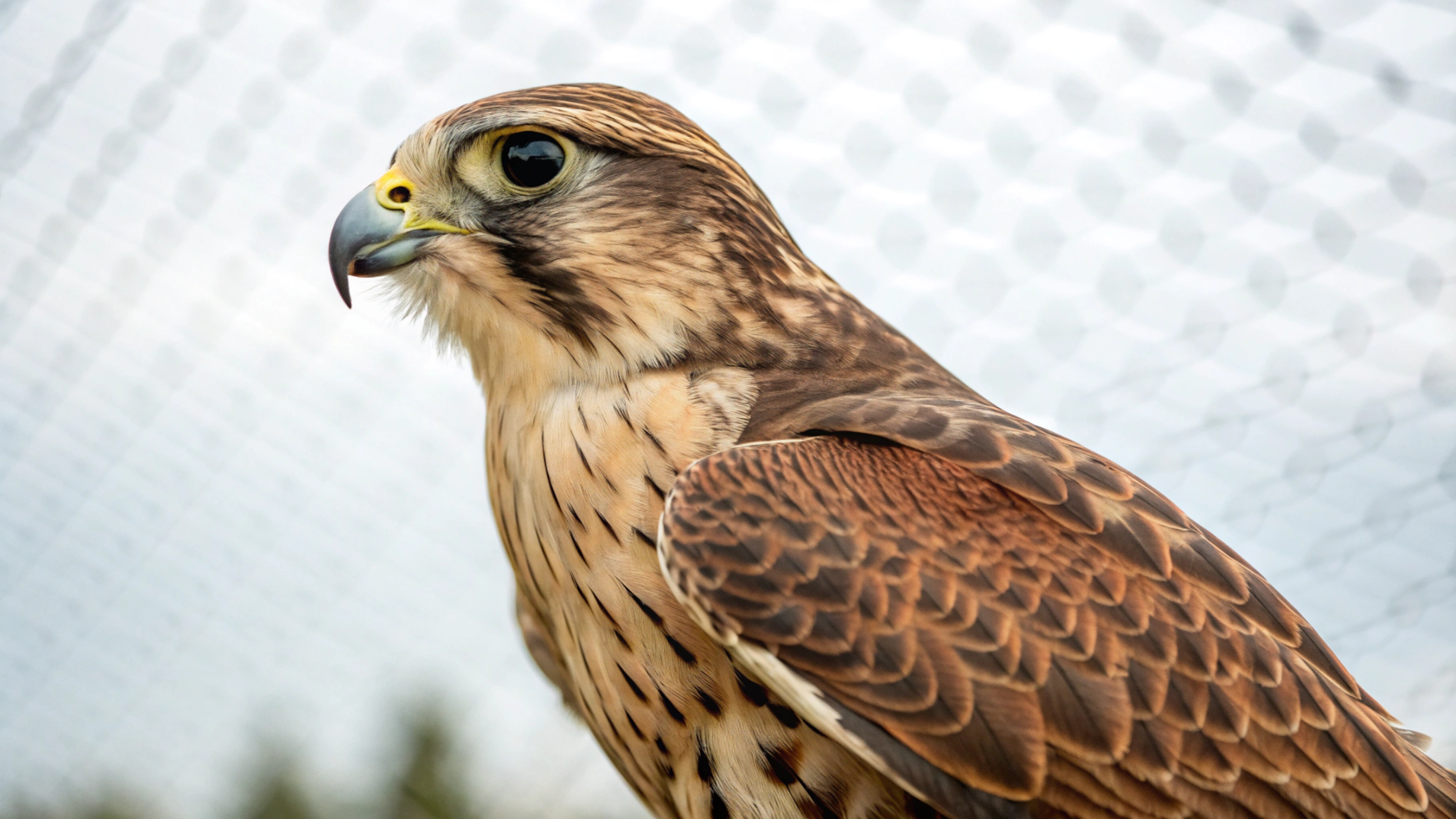
Berlin’s thriving urban goshawk population could serve as the model for a new rewilding project in Britain, with conservationists planning to introduce the apex predator to Chester and London.
Dr Paul O’Donoghue, director of Rewilding UK, aims to release 15 goshawks into each city, sourced from wild European nests and UK breeders. The project, due to be submitted to Natural England, is intended to restore balance by preying on mesopredators such as crows, magpies and jackdaws, whose numbers have grown unchecked and put pressure on smaller garden birds.
Goshawks, once virtually extinct in the UK due to hunting, have flourished in European capitals like Berlin, Amsterdam and Prague. In Berlin alone, about 100 breeding pairs nest in parks and rooftops, hunting pigeons and other urban prey. “It proves this can be done quickly – without much fuss, but with so much excitement,” said O’Donoghue.
Supporters argue the presence of goshawks would create an “ecology of fear,” deterring mid-sized predators and giving smaller bird species a chance to thrive. Critics, however, question whether such small numbers would remain in cities and warn of risks to the birds’ welfare if they fail to adapt to urban life.
Similar rewilding efforts across Europe, particularly with wolves and lynx, have met resistance from farmers and communities, but goshawks are unlikely to face comparable opposition. Still, some pigeon and chicken breeders in German cities have expressed frustration at losing birds to predators.
If approved, the UK project would cost about £110,000, nearly half of which would fund GPS tracking of the released raptors. O’Donoghue believes the psychological benefit of spotting such an elusive bird in everyday urban life is just as valuable as the ecological one: “People go to the park to feed pigeons. Soon they’ll be going to see goshawks.”

