

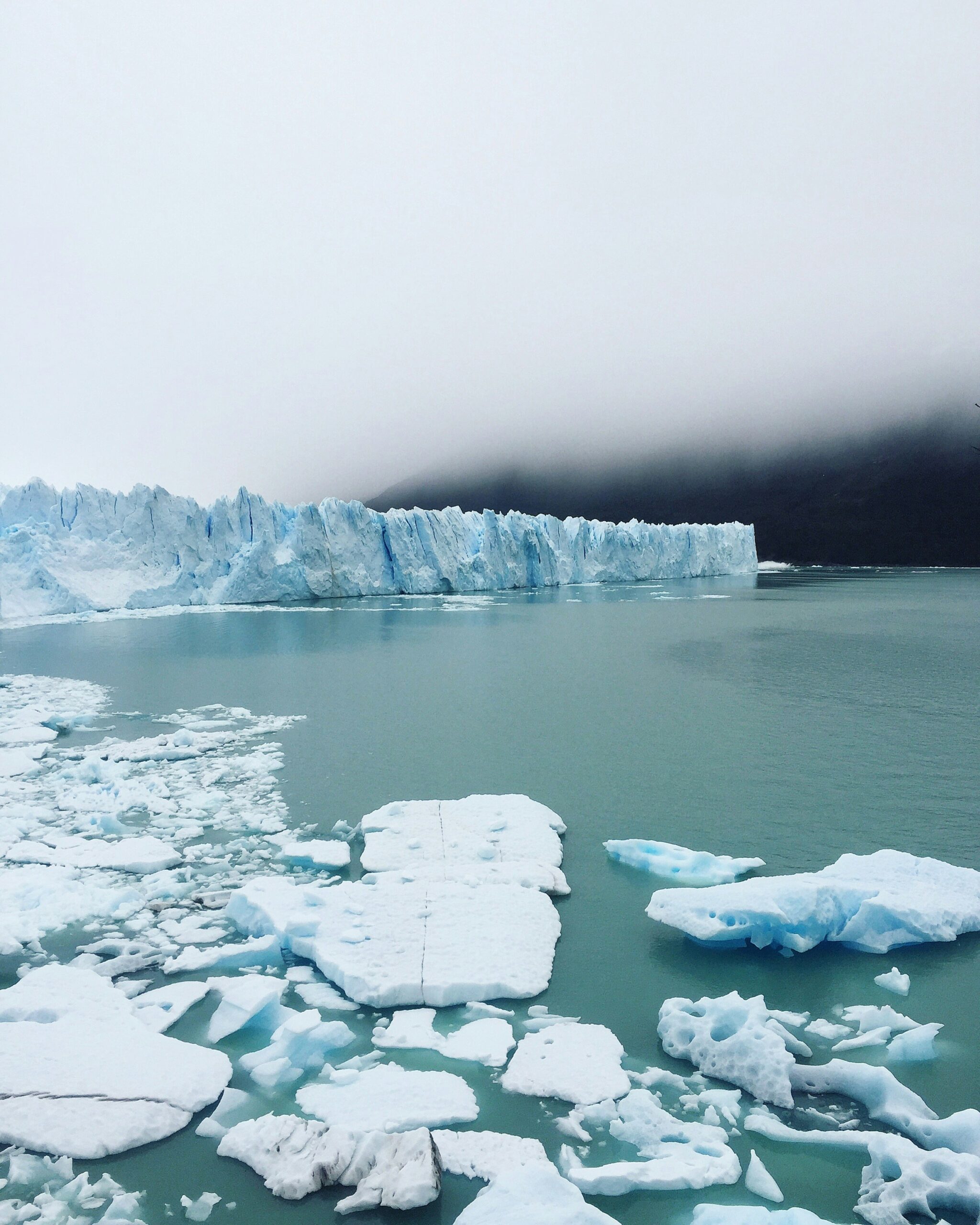
Scientists have observed a surprising halt in Arctic sea ice decline, with levels showing little overall drop since 2005.
This pause is unexpected, as rising fossil fuel emissions continue to trap heat and drive global temperatures higher worldwide.
Researchers believe natural shifts in ocean circulation temporarily shielded the region from stronger melting, but they stress this is brief.
They warn ice loss will likely resume within a decade, and possibly at nearly twice the historical average pace.
Still Shrinking in the Long Run
Satellite data reveal September ice cover is already about half what it was in 1979, proving the scale of loss.
Experts underline that this slowdown is not recovery. The Arctic remains on track to experience ice-free summers later this century.
Melting ice removes the reflective shield that cools the planet, letting dark ocean surfaces absorb more heat and worsen warming.
Lead researcher Mark England emphasized the pause buys limited time but does not alter the long-term downward trajectory.
Data and Models Agree
The study examined over 40 years of satellite records and thousands of simulations. Both showed pauses naturally occur but never last.
Models confirmed that once these pauses end, melting accelerates again, reinforcing the ongoing collapse of Arctic ice.
Measurements also show thinning continues. Since 2010, October ice has steadily decreased, losing about 0.6 centimeters in thickness each year.
Scientists compare this temporary slowdown to past “pauses” in surface temperature rise, which ended with renewed and stronger warming.
Message of Urgency
Researchers emphasize that climate change remains human-driven, dangerous, and very real. The slowdown does not weaken the need for action.
They caution misinterpretation of findings could fuel skepticism and delay vital efforts to address the climate crisis.

