

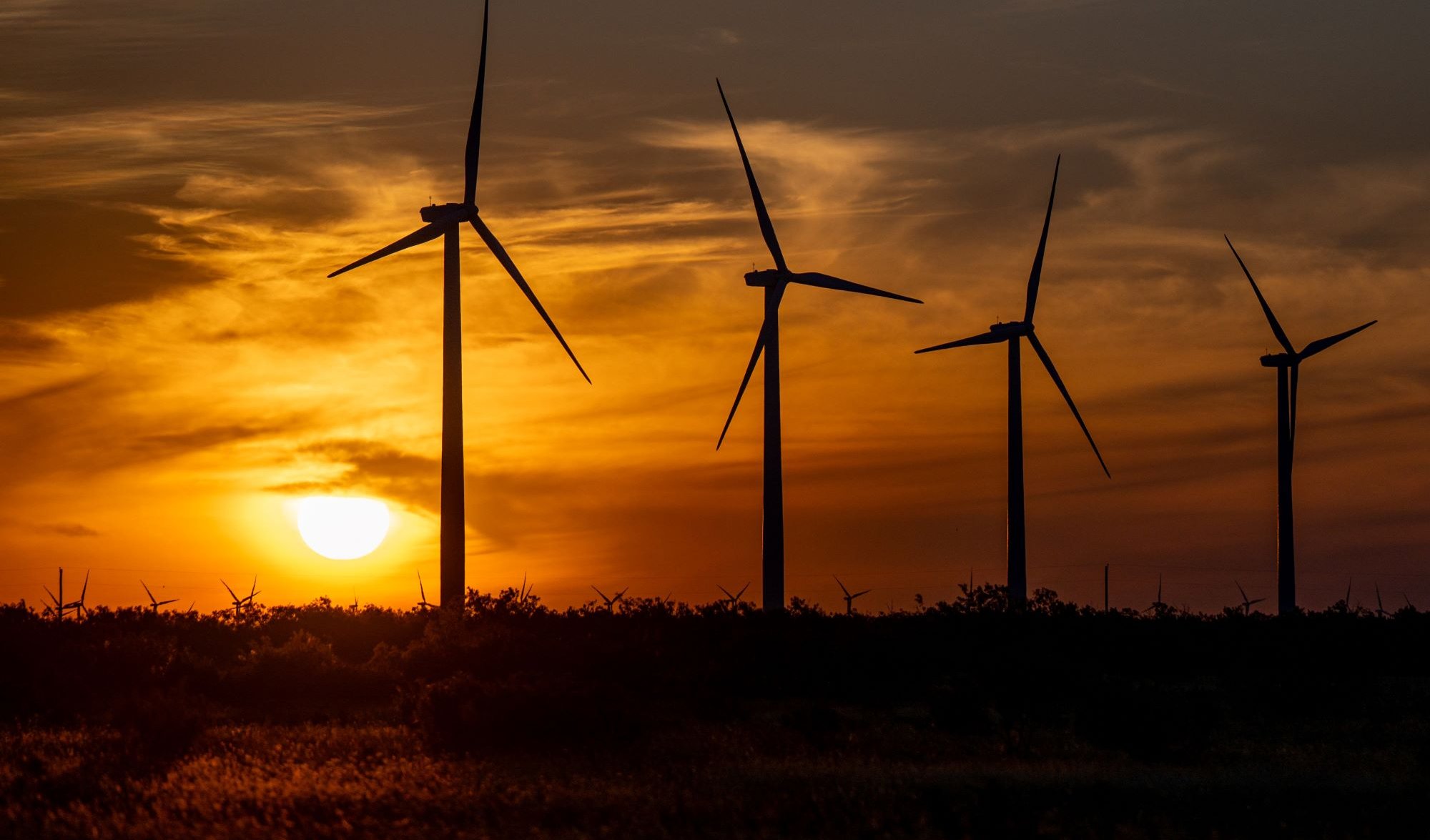
The US clean energy transition is moving forward in a steady and quiet way in 2026. It is not a sudden shift. It is a slow and strong change in how the country produces and uses energy. Solar power, wind energy, and battery storage are now growing across many states. This shift is changing both the energy system and the wider economy.
Experts say the US clean energy transition is no longer just a policy idea. It is now part of daily life in many regions. Homes, factories, and cities are using more renewable power. Solar panels are spreading on rooftops and in large solar farms. Wind turbines are becoming a common sight in rural areas. These changes are helping reduce dependence on imported fuels.
One of the biggest drivers of the US clean energy transition is falling technology costs. Solar panels are cheaper than before. Wind turbines are more efficient. Battery systems are also improving fast. These batteries store energy when the sun is not shining or the wind is not blowing. This makes renewable energy more reliable for everyday use.
Jobs are another key part of this shift. The US clean energy transition is creating new employment opportunities. Workers are needed to build solar farms, install wind turbines, and manage battery systems. Engineers, technicians, and construction workers are in high demand. Many regions that once depended on fossil fuels are now seeing new investment in clean energy projects.
Economic experts say this transition also supports long-term stability. Renewable energy does not depend on imported oil or gas in the same way. This helps protect the economy from global price shocks. When energy prices stay more stable, businesses can plan better. Households also face fewer sudden cost increases.
Another important factor is energy independence. The US clean energy transition is helping the country rely more on its own resources. Solar and wind power are available within the country. This reduces the need for foreign energy imports. It also strengthens national energy security during global tensions.
Large companies are also investing heavily in clean energy. Tech firms, manufacturing companies, and utilities are building new renewable projects. Many are signing long-term contracts to buy clean electricity. This shows strong private sector confidence in the future of renewable energy.
At the same time, state governments are playing a big role. Some states are moving faster than others. California, Texas, and several Midwestern states are leading in solar and wind production. Local policies, tax incentives, and infrastructure support are helping speed up the US clean energy transition.
Battery storage is becoming one of the most important parts of the system. It solves one of the main problems of renewable energy: consistency. Stored energy can be used during peak demand times. This reduces pressure on the grid and prevents blackouts. It also helps balance supply and demand more efficiently.
Despite this progress, challenges remain. Building new energy infrastructure takes time and money. Some regions still depend heavily on fossil fuels. Grid upgrades are also needed to handle growing renewable power. These issues require long-term planning and investment.
There is also political debate about the speed of the transition. Some policymakers want faster change, while others prefer a slower approach. These debates can affect funding and regulations. However, most experts agree that the overall direction is already clear.
Climate concerns also continue to support the US clean energy transition. Cleaner energy helps reduce greenhouse gas emissions. This is important for long-term environmental stability. Many companies and governments see this as a key responsibility.
In the coming years, the US clean energy transition is expected to grow even more. Costs are likely to fall further. Technology will continue to improve. Investment is expected to remain strong. If this trend continues, renewable energy could become a dominant part of the US power system.
For now, the shift is steady and quiet. It is not always visible in daily headlines. But it is reshaping the economy, creating jobs, and strengthening energy independence across the United States.

