

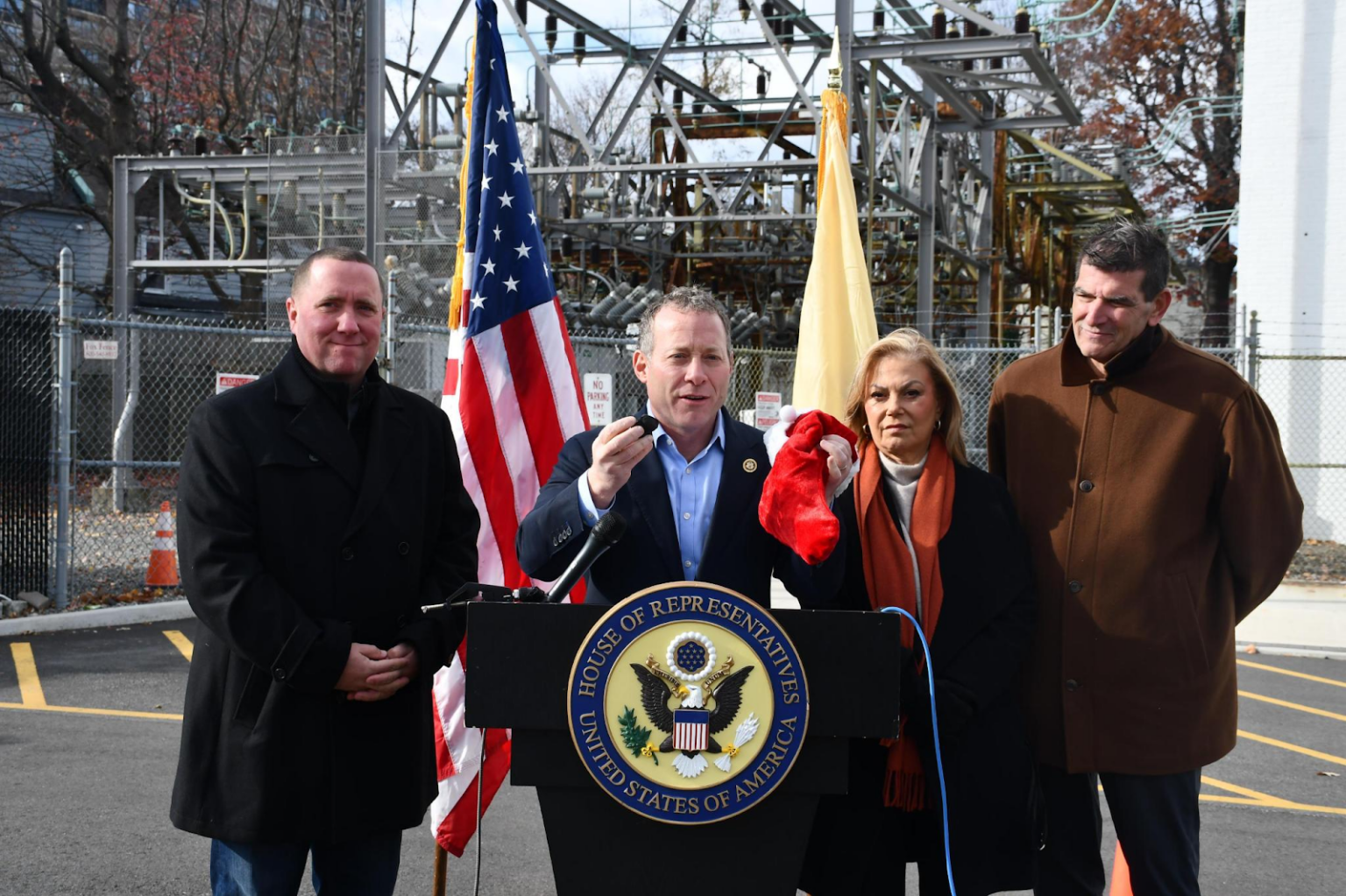
Rep. Josh Gottheimer has introduced a new bipartisan initiative aimed at lowering utility costs for American families. The plan brings together utility companies, regulators, and industry leaders to create long-term solutions that reduce energy bills and improve affordability nationwide.
The initiative focuses on increasing efficiency, promoting renewable energy, and modernizing the infrastructure that delivers power to homes. By tackling the root causes of high utility costs, the plan seeks to ease financial pressure on households and provide more predictable monthly bills.
Lawmakers from both parties have expressed support, calling the proposal a crucial step in addressing rising energy costs. Advocates say the plan could benefit millions of Americans struggling to pay utility bills, especially during peak seasons when electricity and heating expenses climb.
The Gottheimer Utility Bill Plan also emphasizes collaboration between the government and private sector. Utility companies would work with regulators to adopt best practices and invest in technologies that lower operational costs. Experts suggest that these measures could reduce inefficiencies, cut unnecessary expenses, and pass savings directly to consumers.
Families could see lower electricity, gas, and water bills as a result of the plan. It also includes initiatives to help low-income households access affordable energy solutions. By promoting long-term strategies rather than short-term fixes, the plan aims to create sustainable savings for U.S. households.
Energy analysts note that rising utility bills have been a growing concern nationwide. The plan’s bipartisan backing demonstrates a shared commitment to easing financial burdens while modernizing the energy sector. It could also encourage further investments in renewable energy, helping the country transition to cleaner, more efficient power systems.
The initiative is expected to undergo discussions in Congress, with debates focusing on funding, regulatory changes, and potential impacts on communities. Early support from both Democrats and Republicans suggests a strong chance of adoption. If implemented successfully, the plan could provide lasting relief for families, stabilize utility costs, and support a more sustainable energy future.

