

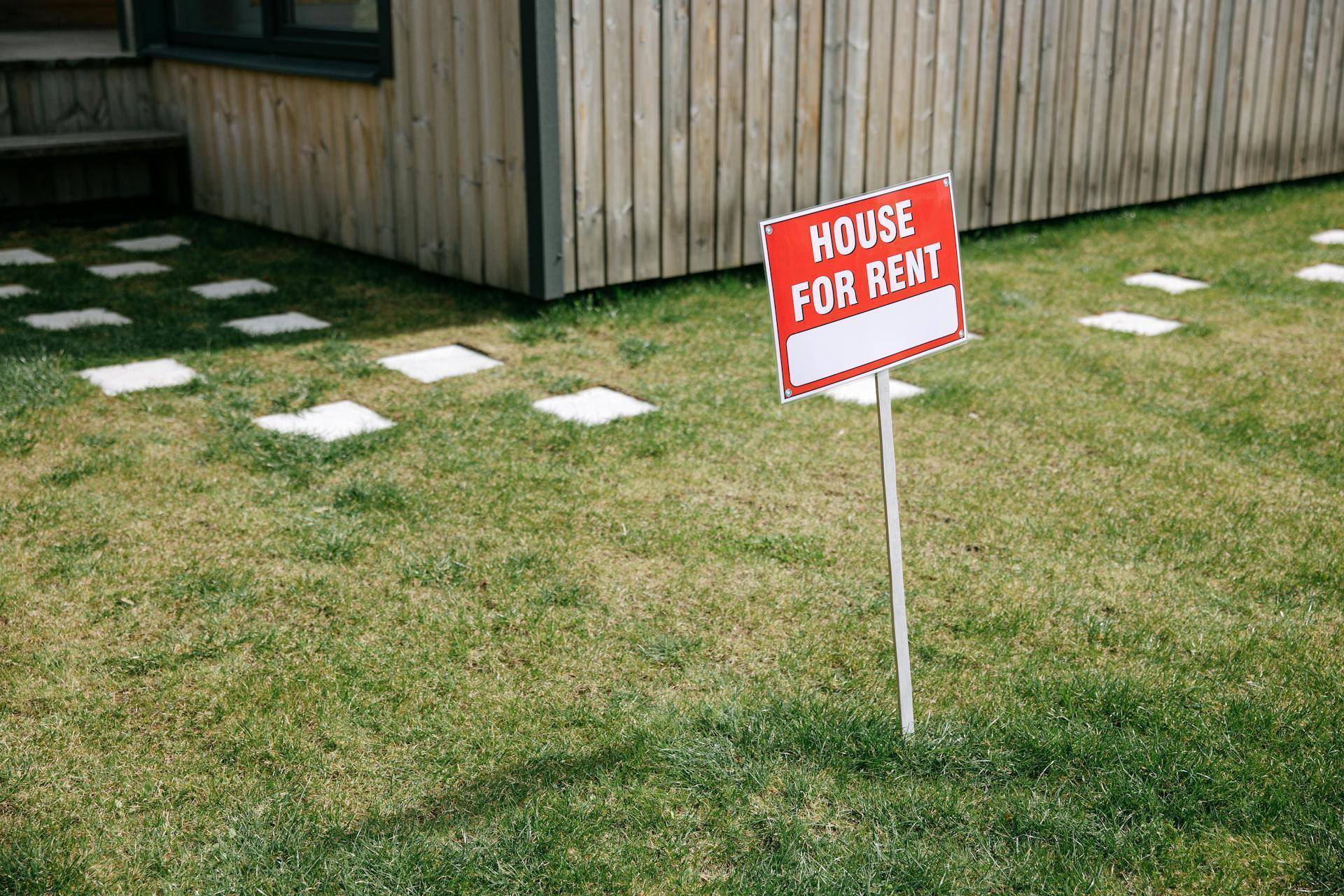
The U.S. rental market is increasingly favoring tenants as new data shows rising vacancy rates and more apartment construction across the country. This trend is giving renters more choices and slightly lower rents in many metropolitan areas.
Analysts say the growth in new apartments is helping balance supply and demand. As developers add units to the market, tenants can negotiate better lease terms and find homes that meet their needs.
Vacancy rates have climbed in several major cities, signaling that landlords may face more competition for tenants. This has led to modest rent decreases or slower rent growth, particularly in areas that had previously seen sharp increases.
“Renters are gaining leverage,” said a housing market expert. “More options mean that landlords need to be more flexible to attract tenants.”
In addition to new construction, migration patterns are affecting the rental market. Some urban areas that saw high demand are now experiencing slower growth, giving renters more freedom to choose from available units without paying a premium.
Real estate agents report that tenants are increasingly shopping around and comparing multiple properties before signing leases. Longer search periods and more available units are shifting bargaining power toward renters.
Economists note that while the changes are not dramatic, they mark a notable shift after years of a landlord-favored market. Rising vacancies and construction may continue to ease rent pressures if current trends persist.
The impact is especially noticeable in metropolitan regions where apartment developments have increased. Tenants in cities such as Phoenix, Atlanta, and Houston have reported more options and, in some cases, lower starting rents than in previous months.
However, experts caution that affordability challenges remain. While rental rates may ease, tenants still face higher living costs in areas like utilities, transportation, and insurance. Budgeting carefully is still essential for renters planning a move.
The data also shows that new developments are targeting a mix of luxury and mid-range apartments, offering choices for different income levels. This variety allows tenants to select units that better match their budgets and lifestyle preferences.
Overall, the U.S. rental market is tilting in favor of renters. Rising vacancy rates and increased apartment construction are giving tenants more options and negotiating power, while slowing rent growth helps ease pressure on household budgets.
These trends demonstrate the influence of housing supply on rental affordability and tenant decision-making. If construction continues and vacancy rates remain high, the rental market may stay favorable for renters in the near term

