

Rents are finally easing in several U.S. cities, offering relief to renters who have faced years of steep increases. Cities such as Austin, Texas, are seeing noticeable declines, marking a shift in the housing market trend. Experts say the slowdown in rent growth is driven by higher housing supply, changing demand, and market adjustments following years of rapid price increases. Renters are experiencing some of the first tangible affordability improvements in a long time.
Austin is one of the cities where rents are falling most sharply. After years of being one of the fastest-growing rental markets in the country, rental prices are now decreasing slightly. This shift benefits local residents who have been struggling with high monthly costs and limited housing options. Real estate analysts point out that the city’s rental decline does not erase past increases but provides temporary relief for renters. The changes may also encourage new residents to move in, supporting the local economy while helping stabilize the housing market.
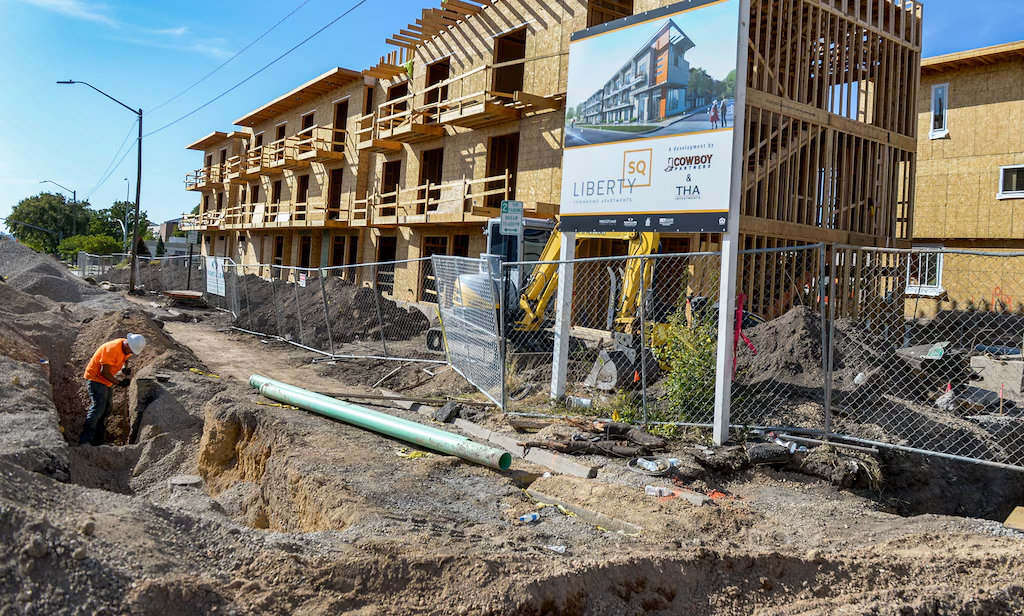
Several factors are contributing to the drop in U.S. rent prices. Increased construction of new apartments has added more rental units to the market, easing competition. Additionally, some residents are moving to suburban or smaller markets in search of more affordable housing, creating pressure on urban rents to adjust. Economists note that slowing economic growth and higher mortgage rates are also influencing rental demand. With fewer people able to buy homes, some renters continue to stay in apartments longer, but rising vacancies in certain areas have caused landlords to lower rents to attract tenants.
For renters, these changes mean improved affordability. Families and individuals who previously struggled to meet rising rental costs now have more options within their budget. Even modest rent reductions can have a significant effect on monthly finances, especially in high-cost cities. In addition, lower rents may encourage more stable long-term tenancies. Renters can plan ahead without fear of sudden spikes in costs, which can improve overall quality of life and economic stability in local communities.
While rents are falling in some areas, the trend is not uniform across the U.S. Coastal cities and tech hubs still report high rents, although growth is slower than in previous years. Analysts suggest that the current decline represents a natural market correction after prolonged rapid increases. Urban planners and real estate experts are closely monitoring these trends. They anticipate that if construction continues and housing supply remains sufficient, more cities may see similar declines, helping address the nation’s long-standing affordability challenges.
Housing experts caution that while falling rents are a welcome change, long-term solutions for affordable housing are still needed. Policies that support balanced development and investment in lower-cost housing remain critical to ensuring that the relief seen today is sustainable. For now, renters in cities like Austin can take advantage of lower prices, signaling a rare period of respite in a market that has been challenging for years.

