

Trade Deal and Promises
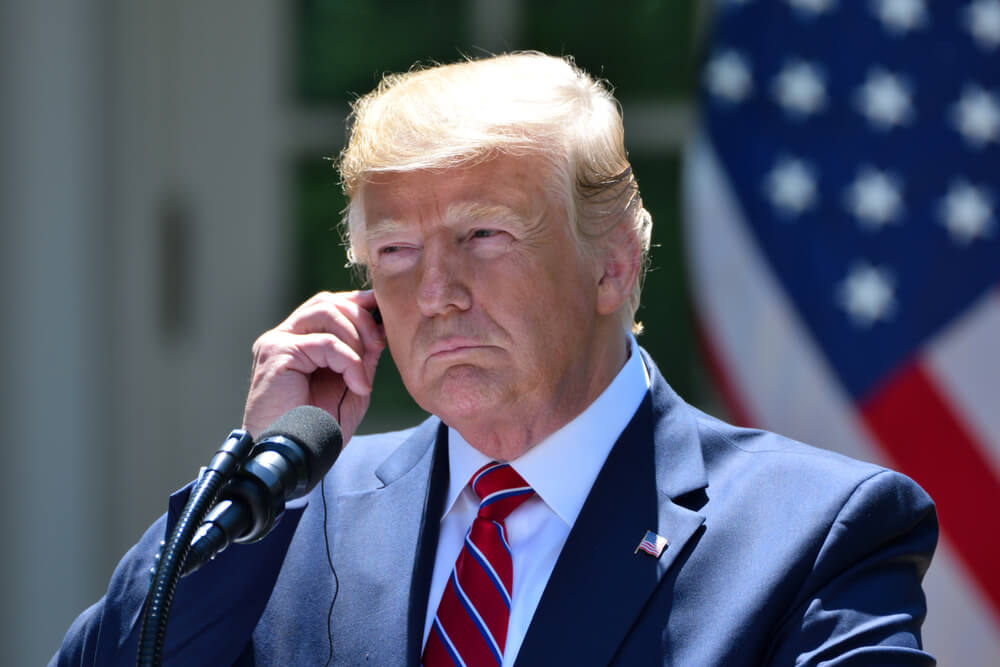
President Donald Trump announced Monday that tariffs on Indian goods would drop from 25% to 18% following talks with Prime Minister Narendra Modi. Trump also said India would cut import taxes on U.S. products to zero and commit to buying $500 billion in American goods.
Trump framed the deal as a way to pressure Russia over the war in Ukraine, claiming it could help end the conflict. Modi responded positively on X, calling the tariff reduction “delightful” and praising Trump’s leadership, though he did not confirm any change in India’s Russian oil purchases.
Russia, Oil, and the Ukraine Conflict
India has been one of Russia’s largest oil buyers since Moscow invaded Ukraine in February 2022, importing discounted crude while Europe sharply reduced purchases. In 2024, nearly 36% of India’s crude came from Russia, around 1.8 million barrels per day.
Trump has repeatedly argued that targeting Russia’s oil revenue could bring an end to the war, though his promise to quickly resolve the conflict remains unfulfilled. Special envoy Steve Witkoff and Trump’s son-in-law Jared Kushner are scheduled to meet Russian and Ukrainian officials in Abu Dhabi this week to discuss potential resolutions.
Tariffs, Trade, and Global Agreements
Earlier in 2025, Trump imposed up to 50% tariffs on Indian goods, citing trade imbalances and India’s continued Russian oil purchases. With the new agreement, tariffs drop to 18%, closer to rates applied to EU and Japanese imports.
The announcement comes shortly after India signed a major trade deal with the European Union, opening nearly all goods to free trade and reducing high import taxes on European products. India has also finalized deals with Oman and New Zealand, reflecting a broader push to diversify trade partners and lessen reliance on the U.S.
While Trump presents the tariff reduction as a major victory for American business and global stability, questions remain about whether India will follow through on oil and trade commitments.

