

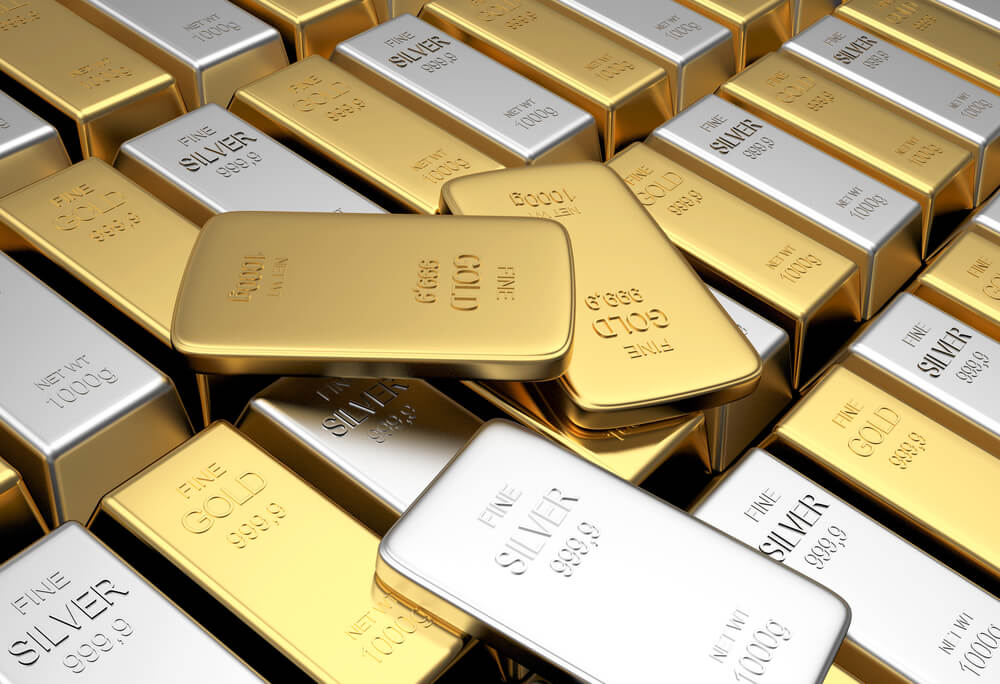
Gold and silver prices plunged as investors rushed to sell positions that had driven metals to record highs. Losses accelerated on Monday following a sharp sell-off on Friday, marking a sudden shift in global market sentiment.
In Asian trading, spot gold fell more than nine percent to about $4,403 per ounce. Silver dropped roughly 15 percent to below $72 per ounce. Both metals had surged earlier this year amid heightened geopolitical uncertainty.
Nomination of new Fed chair eases market fears
Earlier gains reflected worries over geopolitics and uncertainty about US monetary policy. Investors also feared political influence on the Federal Reserve. Those concerns eased after President Donald Trump nominated Kevin Warsh as the next chair.
Markets welcomed the nomination. The US dollar rose around one percent on Friday against several major currencies. As the dollar strengthened, gold suffered its steepest one-day fall since 1983, dropping more than nine percent. Silver plunged 27 percent in the same session.
Deutsche Bank analysts said the nomination acted as the main trigger. They noted that improved policy clarity prompted aggressive profit taking across precious metals.
Global equities slide as metals retreat
The metals sell-off quickly spread to global stock markets. Asian equities fell sharply on Monday as risk appetite weakened. South Korea’s Kospi index led regional losses with a decline exceeding five percent.
Hong Kong’s Hang Seng dropped around three percent. Japan’s Nikkei 225 fell more than one percent. European markets also opened lower, with the UK’s FTSE 100 down 0.4 percent early in trading.
Mining shares suffered heavy declines. Fresnillo and Endeavour Mining both fell by about seven percent as metal prices tumbled.
Oil prices fall amid steady supply and stronger dollar
Energy markets followed the broader downward trend. Global crude oil prices fell more than five percent. Traders cited steady production by major exporters and easing US-Iran tensions.
A stronger dollar added further pressure. Oil trades in dollars, raising costs for non-US buyers. That effect often dampens demand.
Historic rally ends with steep correction
Precious metals delivered exceptional gains throughout 2025. Gold recorded its strongest annual rise since 1979. Markets faced repeated shocks from trade tariffs and concerns about overvalued artificial intelligence stocks.
Those worries drove metals to repeated records. Gold peaked above $5,500 in late January. Silver also reached an all-time high above $120.
Profit taking overwhelms fundamentals
Wall Street analysts expect at least two US interest rate cuts in 2026. Lower rates usually support gold by reducing returns on alternative assets.
Gold’s scarcity remains a key driver of long-term demand. About 216,265 tonnes have ever been mined, according to the World Gold Council. Central bank purchases fueled the multi-year rally.
However, extreme price moves left markets exposed. Mark Matthews of Bank Julius Baer told Reuters prices had gone parabolic. He said once profit taking began, selling quickly snowballed.

