

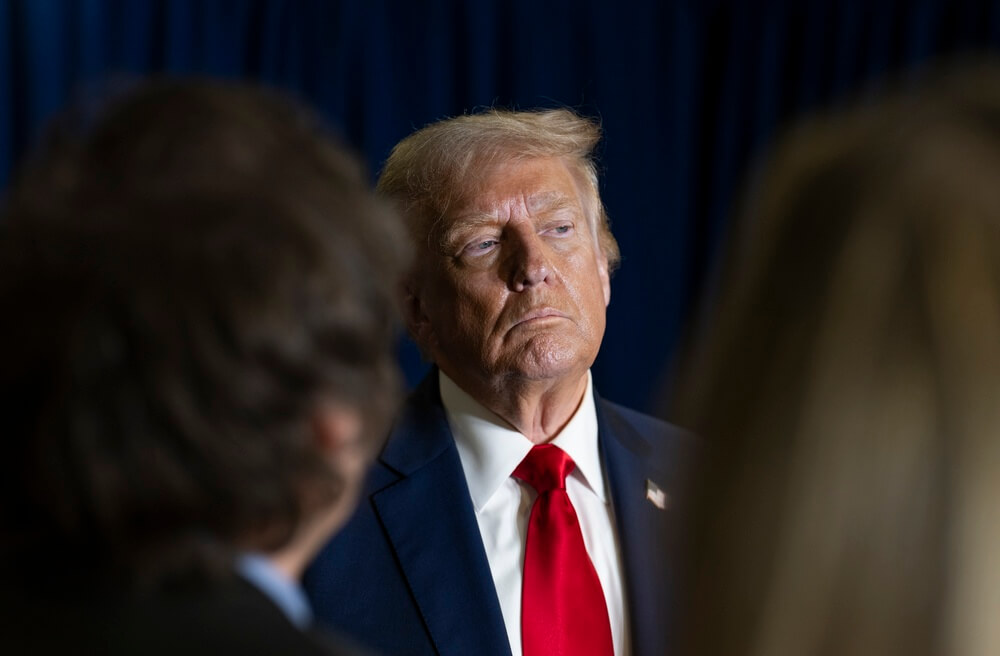
President Donald Trump announced that the United States has begun communication with Cuban leaders, even as his administration steps up economic pressure on the island by cutting off vital oil supplies and imposing new tariffs. Speaking to reporters aboard Air Force One on Saturday night, Trump offered few specifics, saying only, “We’re starting to talk to Cuba.” (AP News)
Oil Cuts and Sanctions as Leverage
Trump’s comments come amid a broader strategy to push Cuba toward negotiations by tightening the noose on its economy. In recent weeks the US has halted oil shipments to the communist‑run island, particularly by blocking Venezuelan supplies and targeting Mexican shipments with tariffs intended to discourage support for Havana. (AP News)
The president has framed these moves as leverage, suggesting that depriving Cuba of energy resources will bring its government to the negotiating table. He has also predicted that the Cuban government is nearing collapse and said that negotiations could lead to a future where “Cuba would be free again.” (AP News)
Regional Backlash and Humanitarian Concerns
Mexico’s president, Claudia Sheinbaum, warned that US‑imposed tariffs on countries supplying oil to Cuba could spark a humanitarian crisis and said her government would seek alternatives to continue aiding the island. Trump dismissed those fears, insisting that a crisis wasn’t inevitable and saying he expected Cuba would “want to make a deal.” (Reuters)
Meanwhile, Cuba faces growing hardship as fuel shortages have led to blackouts and rising costs for basic goods, intensifying pressure on ordinary citizens. (Reuters)
Unclear Goals Amid Rising Tensions
Despite the talks Trump mentioned, it remains unclear what the US hopes to achieve with Cuba beyond applying pressure. Havana has not publicly confirmed negotiations, and leaders inside Cuba have stressed that any dialogue must respect their sovereignty and principles of international law. (Inquirer.com)
Trump’s focus on Cuba follows a series of aggressive moves in the region, including US actions in Venezuela that removed Nicolás Maduro from power. The shift signals a broader effort by the administration to confront governments it views as adversaries, even as the details of proposed negotiations with Cuba remain vague. (AP News)

