

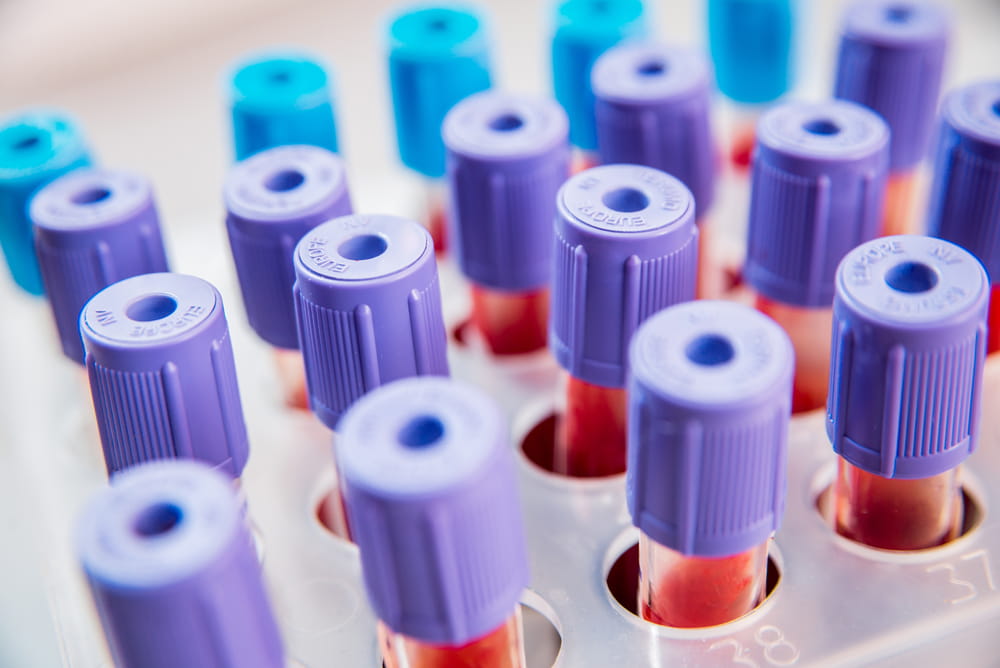
Scientists have developed a DNA blood test that can predict how well breast cancer patients will respond to treatment. The test analyses circulating tumour DNA in the blood, released by cancer cells, and provides early insight into treatment effectiveness.
In a study of 167 patients with advanced breast cancer, low or undetectable levels of tumour DNA before treatment, or after four weeks, were strongly linked to better outcomes. Patients with lower levels experienced longer periods without disease progression and higher response rates.
The findings suggest doctors could identify ineffective treatments much earlier and switch patients to better options, improving outcomes and avoiding unnecessary side effects. Further trials are under way to confirm whether adapting treatment based on this test improves long-term survival.

