

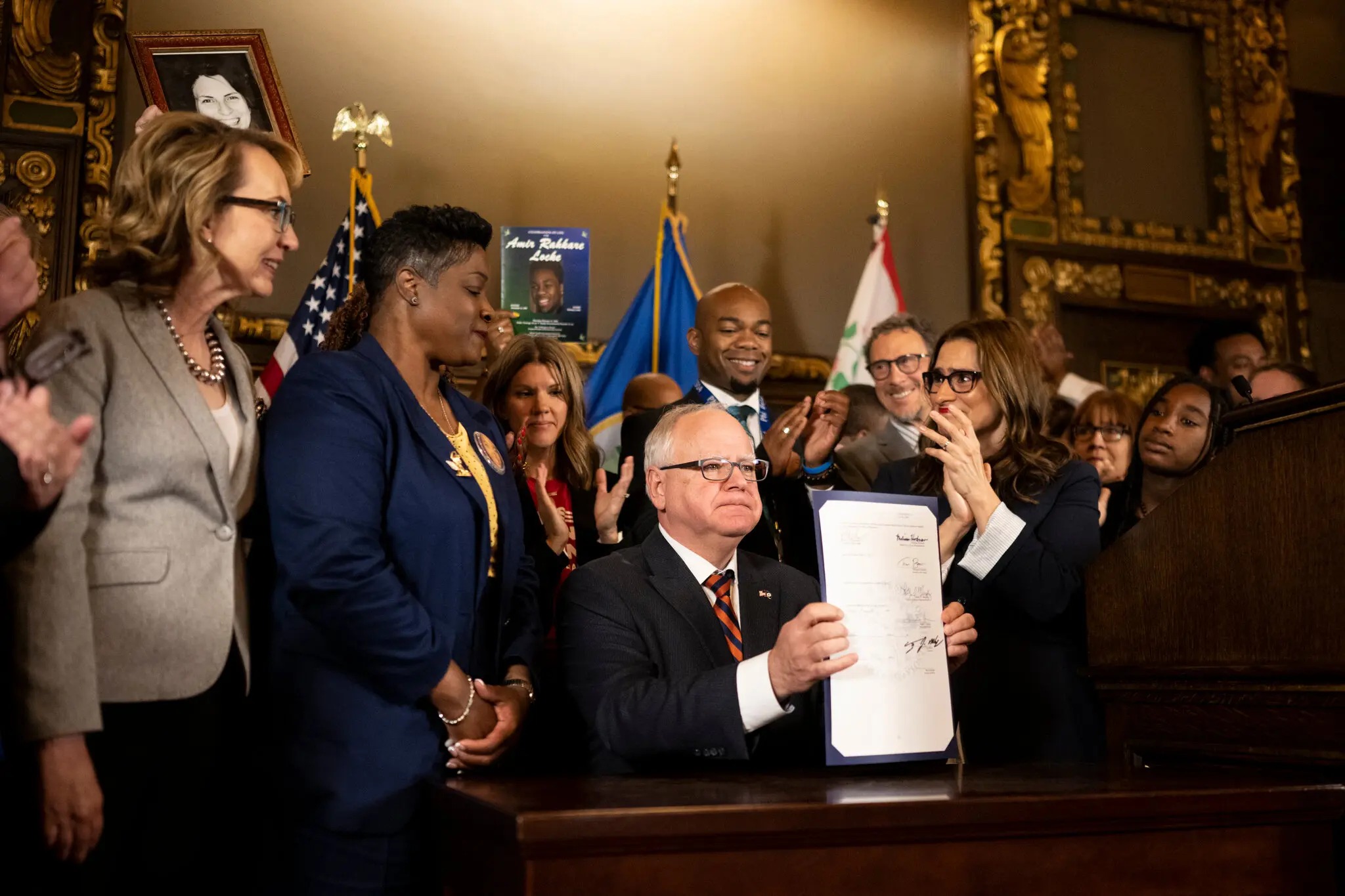
A series of new laws is taking effect across the United States as 2026 begins. These reforms, passed in 2025, aim to improve economic conditions, protect consumers, and increase worker earnings.
Several states have raised their minimum wages, providing higher pay for millions of workers. Officials say the increases are intended to address living costs and help families achieve greater financial stability. Workers in retail, service industries, and other sectors are among those expected to benefit from the new wage standards.
In addition to wage changes, several states have updated gambling taxes. These reforms are designed to generate revenue for public services while ensuring that gaming operators follow clear and consistent rules. Regulators say the new tax structures aim to balance business growth with consumer protection and community support.
Consumer protections are also being strengthened under the new laws. Reforms include clearer disclosure requirements for products and services, enhanced privacy safeguards, and stricter enforcement against unfair business practices. Officials say these measures will give Americans more confidence when making purchases and using services.
Experts note that the combination of higher wages and stronger consumer protections can have a positive effect on local economies. Increased earnings can boost spending power, while clearer regulations promote fair competition and transparency in the market.
Some of the new laws focus on quality-of-life issues. For example, protections for workers regarding scheduling, overtime pay, and workplace conditions have been updated in several states. Advocacy groups say these reforms aim to create a more balanced and equitable work environment for employees.
Businesses are preparing to comply with the changes. Many employers are updating payroll systems, reviewing tax obligations, and revising internal policies to align with the new legal requirements. Experts recommend that companies communicate these changes to employees to ensure smooth implementation.
The reforms also reflect broader economic trends. Policymakers have focused on boosting income for lower- and middle-income workers while maintaining consumer confidence. Analysts say these adjustments could influence spending patterns, business investment, and economic growth over the coming year.
Public awareness campaigns are underway to inform citizens about the new laws. Government agencies, advocacy organizations, and business associations are providing guidance and resources to help individuals and companies understand the updates.
Some states are introducing additional measures to support workers, such as tax credits and incentive programs. These initiatives aim to complement wage increases and ensure that employees see tangible benefits in their daily lives.
As 2026 unfolds, Americans will experience the effects of these reforms in both workplaces and communities. Officials hope that higher wages, clearer regulations, and strengthened protections will improve quality of life, encourage responsible business practices, and support sustainable economic growth.
The rollout of these laws marks a significant moment in national policy. By addressing earnings, consumer rights, and economic fairness, the changes set the stage for a year focused on practical reforms that benefit workers, consumers, and businesses alike.

