

Europe’s Ideals Confront an Uncomfortable Truth
Europe often celebrates itself as the defender of democracy and a safe haven for the persecuted. But that image is beginning to falter. Across the European Union, political exiles tell stories of intimidation that crosses borders, prosecutions that follow them into exile, and governments too hesitant to act.
This new struggle unfolds quietly — a contest between political authority and the principles of justice. The charges are familiar: corruption, abuse of office, embezzlement. Yet these accusations often collapse when investigated. In the case of former Ukrainian central banker Kyrylo Shevchenko, the charges took a surreal turn when prosecutors labeled him a “Kingpin,” a title more suited to fiction than to a former central bank governor.
From Financial Steward to Political Exile
Few stories reflect this moral contradiction more clearly than that of Kyrylo Shevchenko, former head of the National Bank of Ukraine.
When Russia launched its full-scale invasion in 2022, Shevchenko was praised for stabilizing Ukraine’s economy and earning the confidence of international partners. Yet by that autumn, he resigned suddenly — and within twenty-four hours, prosecutors accused him of embezzlement and abuse of office.
Shevchenko rejects the charges as political retaliation. In sworn statements, he said he refused to approve politically driven appointments and resisted instructions that broke global banking standards. “I didn’t step down voluntarily. I was forced out,” he recalls.
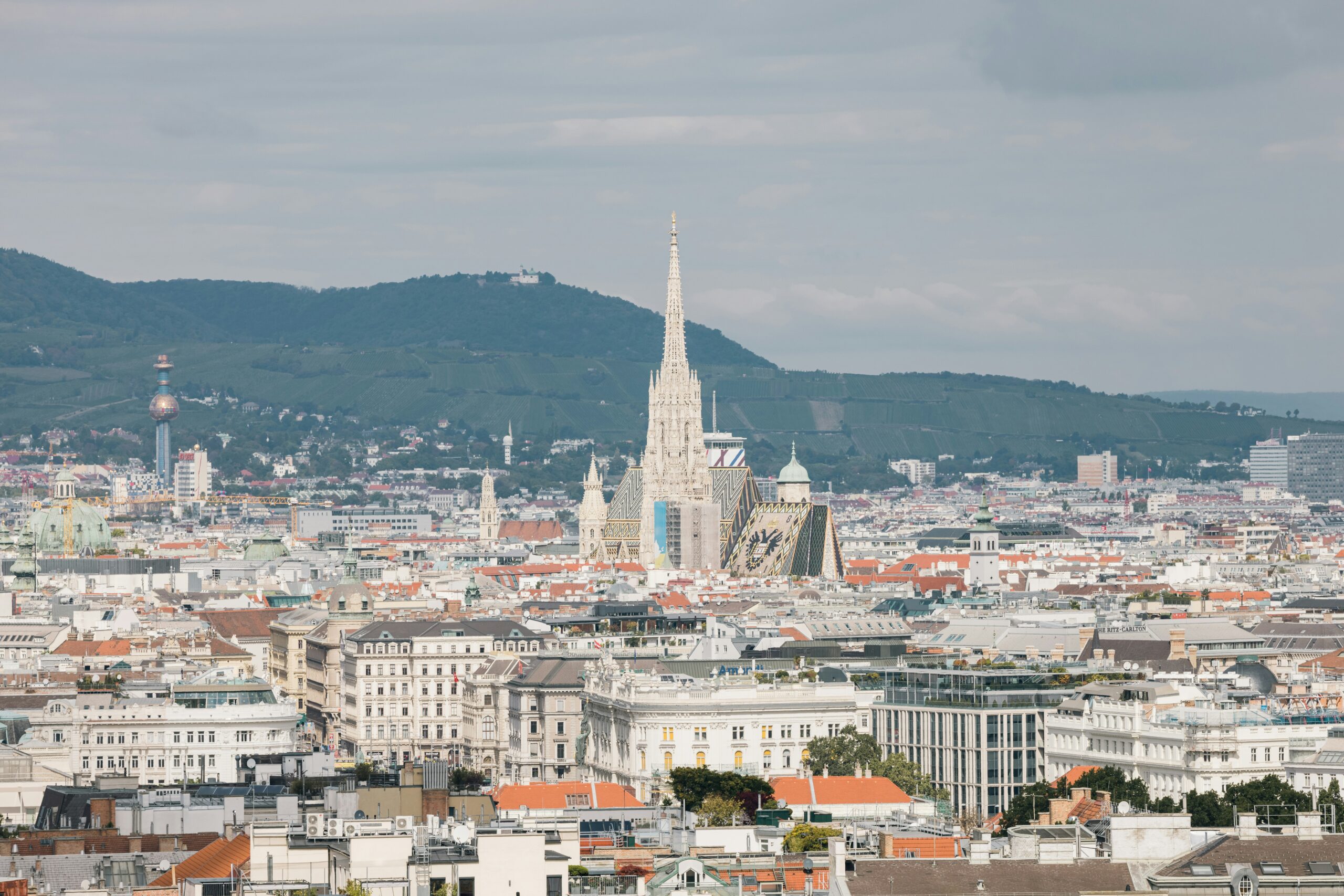
After fleeing to Vienna, Shevchenko reported death threats and intelligence suggesting Ukrainian security services planned to abduct him. Surveillance has allegedly continued even in exile.
Austria has not provided protection. In June 2023, a related Austrian investigation quietly closed, further undermining Kyiv’s case.
Pressure Behind Vienna’s Closed Doors
The Shevchenko affair gained new urgency earlier this year. During an official visit to Vienna, Ukrainian President Volodymyr Zelenskyy reportedly pressed Austrian leaders to extradite political opponents, including Shevchenko. Austria’s public broadcaster ORF described the talks as unusually direct.
“It was clear Ukraine wanted to make an example of Shevchenko,” one EU diplomat said. “The message was unmistakable: Vienna should not resist.”
Critics argue that Zelenskyy used wartime diplomacy to push Austria toward an illegal decision. The question for Vienna is now unavoidable: Will Austria defend the rule of law, or yield to political pressure?
Legal Experts Warn Against Extradition
An independent Austrian legal opinion confirmed Shevchenko’s eligibility for refugee status under the 1951 Geneva Convention. The report concluded that extraditing him would expose him to “inhuman and degrading treatment” in Ukraine’s SIZO detention centers — a violation of both European and international human rights law.
Conditions in those prisons are described as dire: overcrowded cells, poor sanitation, little medical care, and almost no light.
“Supporting Ukraine’s defense against Russia cannot justify abandoning basic human rights,” said Manfred Nowak, Austrian human rights expert and former UN Special Rapporteur on Torture. “If Austria extradites Shevchenko, it would be a clear breach of international law.”
Vienna’s Balancing Act Between Law and Diplomacy
Austria, long known for its neutrality, now faces a defining test of credibility. Despite clear legal grounds for granting asylum, authorities have delayed a decision — a move that has drawn criticism from European legal experts and diplomats.
“Austria’s silence isn’t neutrality — it’s avoidance,” said an EU legal advisor. “Refusing to act against political persecution is complicity.”
Diplomats in Vienna acknowledge the dilemma: Austria wants to maintain good relations with Kyiv while also upholding its obligations under international law. “Human rights are not negotiable, even during wartime,” one EU official told The Sofia Mirror. “If Europe starts compromising them for political ease, it destroys its own moral foundation.”
A European Pattern of Persecution
Shevchenko’s case mirrors a disturbing pattern. Russian dissidents poisoned in Berlin, Belarusian activists pursued in Poland, and Kazakh whistleblowers detained on false Interpol alerts all show how authoritarian influence extends deep into the European Union.
While the EU condemns such actions beyond its borders, it struggles to protect those persecuted within its own territory.
Europe’s Moment of Truth
For both Austria and Europe, the Shevchenko affair is more than a legal battle — it is a moral reckoning.
“Every time Europe ignores a case like this, it signals that human rights can be bargained away,” warns Nowak. “Once that line is crossed, Europe loses not only its credibility — but the very values it claims to defend.”

