

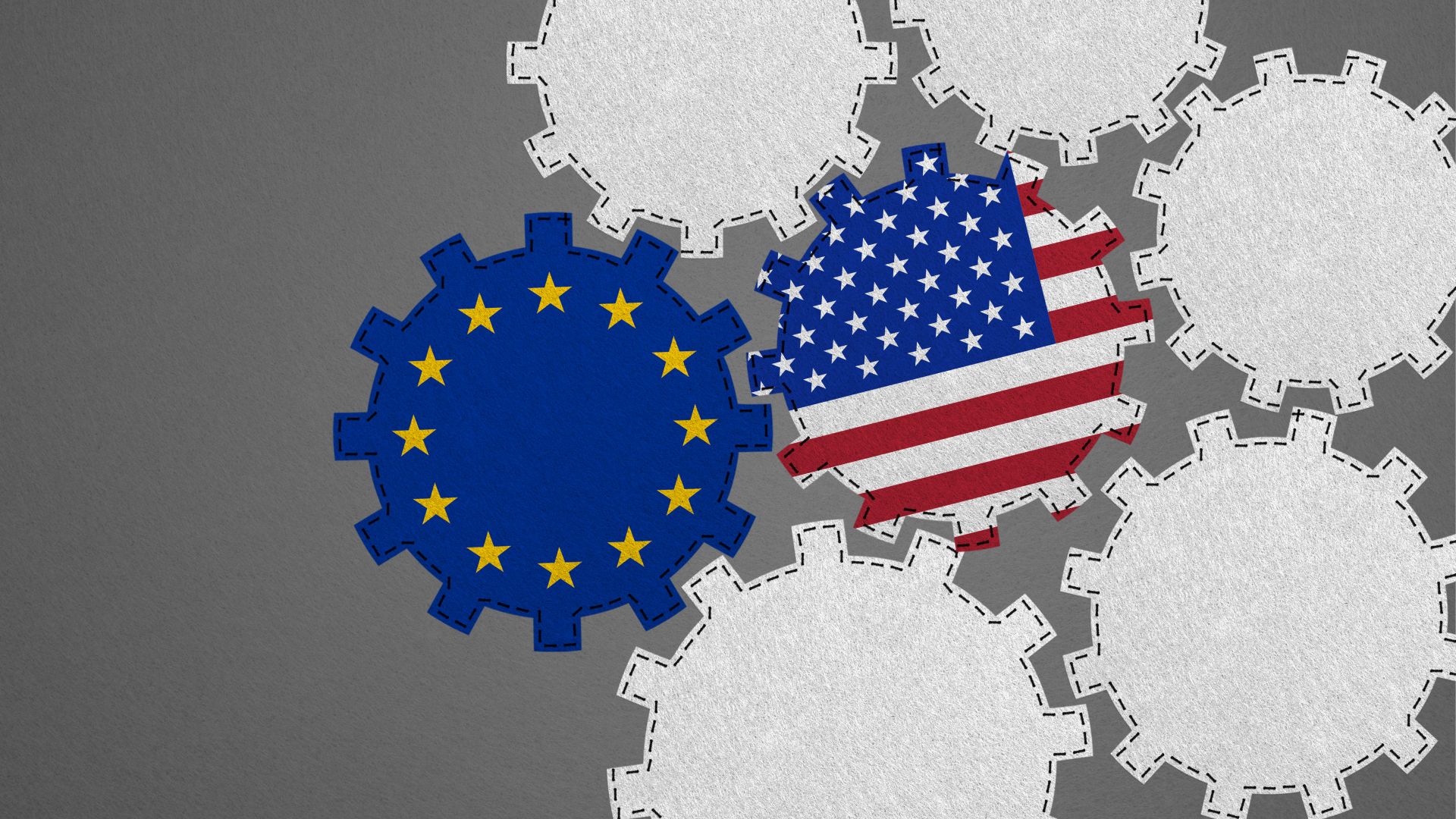
The United States and the European Union have taken a major step to strengthen trade relations. Leaders from both sides agreed on a new framework that aims to lower tariffs, improve cooperation on technology, and set higher environmental standards. This move is seen as a milestone in transatlantic relations.
Under the new trade framework, both the U.S. and the EU plan to reduce import and export tariffs on key goods. Lower tariffs are expected to increase trade volumes, helping businesses in both regions. Economists predict that this could support job growth and boost economic activity across industries ranging from manufacturing to agriculture.
Technology cooperation is another focus of the agreement. Both parties have committed to sharing best practices and harmonizing regulations for emerging technologies. This includes areas such as artificial intelligence, digital trade, and cybersecurity. Experts say that closer collaboration on technology can help protect consumers, improve innovation, and maintain fair competition between American and European companies.
The environmental aspect of the trade framework is also significant. The U.S. and the EU plan to align their standards on sustainable products and climate-friendly practices. This includes stricter rules on emissions, green energy use, and eco-friendly production methods. Environmental analysts believe this step could set a global example, encouraging other countries to adopt stronger environmental standards while supporting green business initiatives.
Trade experts note that this agreement reflects a shared commitment to economic growth, innovation, and sustainability. By reducing trade barriers and strengthening cooperation, the U.S. and EU aim to create a more predictable and stable trading environment. Businesses on both sides are expected to benefit from reduced costs, clearer regulations, and new market opportunities.
The agreement also emphasizes transparency and dialogue. Officials from both the U.S. and EU will hold regular meetings to review progress and address any disputes. This ongoing dialogue is designed to prevent conflicts and ensure that trade policies remain fair and effective. Analysts say that this approach could help avoid past tensions in transatlantic trade and create a stronger foundation for future cooperation.
Financial markets responded positively to the announcement. Stock prices of companies heavily involved in transatlantic trade showed gains, and investors expressed optimism about the potential economic benefits. Some analysts also highlighted that this deal may reduce uncertainties surrounding international trade, making it easier for companies to plan investments and expansions.
The new framework is expected to have a wide-ranging impact on several key sectors. Automotive, technology, and energy industries are likely to see immediate effects, while agriculture, pharmaceuticals, and consumer goods could benefit over time. Experts predict that small and medium-sized businesses will also gain, as lower tariffs and streamlined regulations make it easier to export products and access foreign markets.
Political analysts say that the agreement strengthens the partnership between the U.S. and EU at a critical time. Global trade has faced challenges in recent years, including rising protectionism and supply chain disruptions. By reaffirming their commitment to open and fair trade, the U.S. and EU are sending a message about the importance of cooperation and multilateralism.
In summary, the U.S. and EU trade relations are entering a new phase marked by reduced tariffs, stronger technology cooperation, and higher environmental standards. The agreement promises economic growth, innovation, and sustainability while reinforcing a vital partnership. Both sides are expected to benefit from clearer rules, better market access, and stronger collaboration.
This deal represents a clear signal that transatlantic trade can evolve to meet the needs of a modern global economy. Businesses, consumers, and policymakers alike are likely to see the advantages in the coming years as the U.S. and EU work together to implement the framework.

