

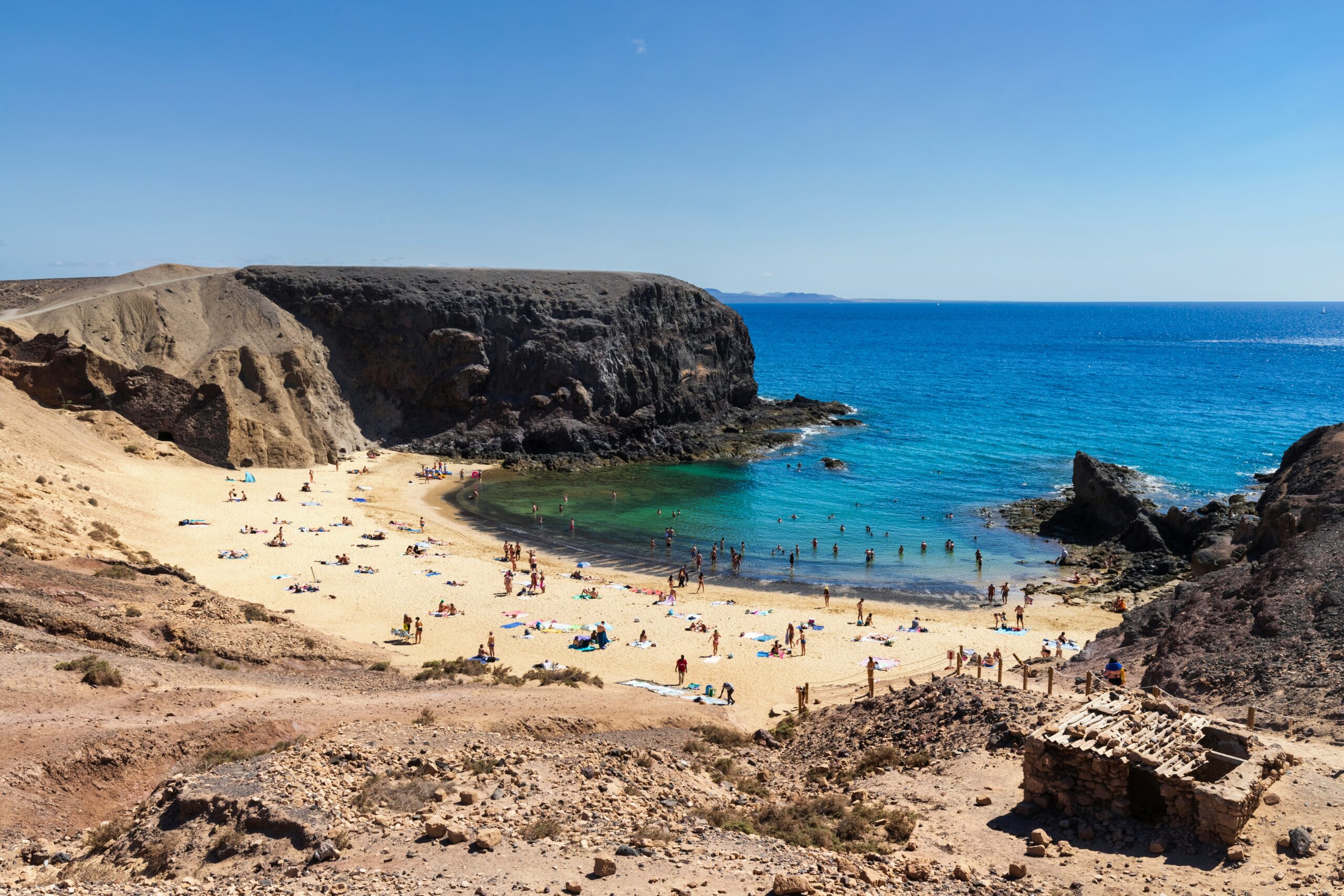
The Canary Islands broke visitor records again despite protests and new measures to limit tourism.
August alone attracted 1.23 million foreign visitors, a 6% increase from 2024.
From January to August 2025, more than 10 million international tourists arrived, making the islands Spain’s third most popular region.
Nearly half a million visitors came from the United Kingdom, with Germans making up another large share.
Tourism contributes around 35% of the islands’ GDP and drives much of the local economy.
Islands Draw Tourists With Year-Round Appeal
Visitors flock to the Canary Islands for warm weather, beaches, mountains, forests, and volcanic landscapes.
The seven main islands—Tenerife, Fuerteventura, Gran Canaria, Lanzarote, La Palma, La Gomera, and El Hierro—offer varied scenery.
Air travel connects Europe to the islands, though flight cancellations may disrupt travel.
Many residents have expressed frustration over overcrowding and the pressures mass tourism places on local life.
Eco-Taxes and Rules Seek to Preserve Nature
Tenerife National Park will introduce an “eco-tax” for popular hiking trails in 2026.
The Teide-Pico Viejo volcano, the park’s main attraction, will cost around €25 per visitor, with varying trail fees.
The Telesforo Bravo summit trail costs €15 unguided, €10 guided. Montaña Blanca-Rambleta costs €6 weekdays, €10 weekends.
Residents and children under 14 enter free, while local visitors pay reduced rates.
Authorities hope the measures protect wildlife and maintain the park’s natural beauty.
Other islands limit short-term rentals, enforce daily tourism fees, and restrict accommodation to manage visitor numbers.
Officials impose fines for public drinking and enforce smoke-free beaches to reduce excessive partying.
Tenerife’s president, Rosa Dávila, said the policies safeguard Teide today and for generations to come.

