

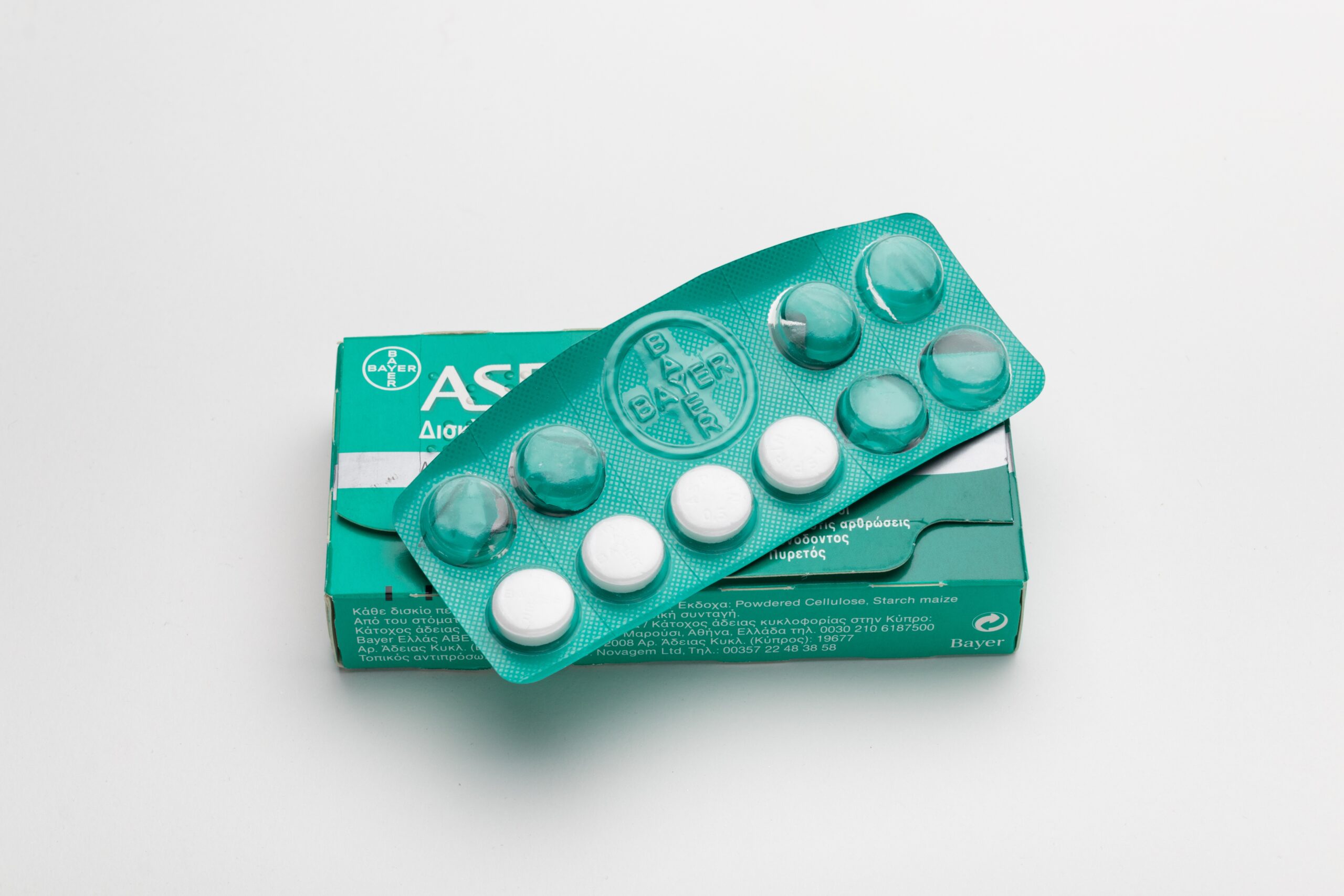
A low daily dose of aspirin may dramatically reduce the risk of colorectal cancer recurrence in patients with certain gene mutations, according to a major Scandinavian trial.
The study, led by Prof Anna Martling at the Karolinska Institute, followed over 3,500 patients who had surgery to remove colorectal tumours. Genetic testing identified 1,103 patients (37%) with mutations in the PI3K pathway, a key factor in some colorectal cancers. Those taking 160mg of aspirin daily for three years were 55% less likely to experience a recurrence compared with those on a placebo.
Aspirin is thought to protect against cancer by reducing inflammation, disrupting the PI3K pathway, and limiting platelet activity, which can shield tumour cells from the immune system. Researchers emphasized the need for genetic testing to identify patients who could benefit most from aspirin therapy.
While aspirin is widely available and inexpensive, the trial noted some risks. Four participants experienced severe side effects such as gastrointestinal bleeding or allergic reactions, and one death may have been linked to the drug.
Experts say these findings could change clinical practice and expand the use of low-dose aspirin as a targeted, affordable intervention to help prevent colorectal cancer recurrence in specific patient groups.

