

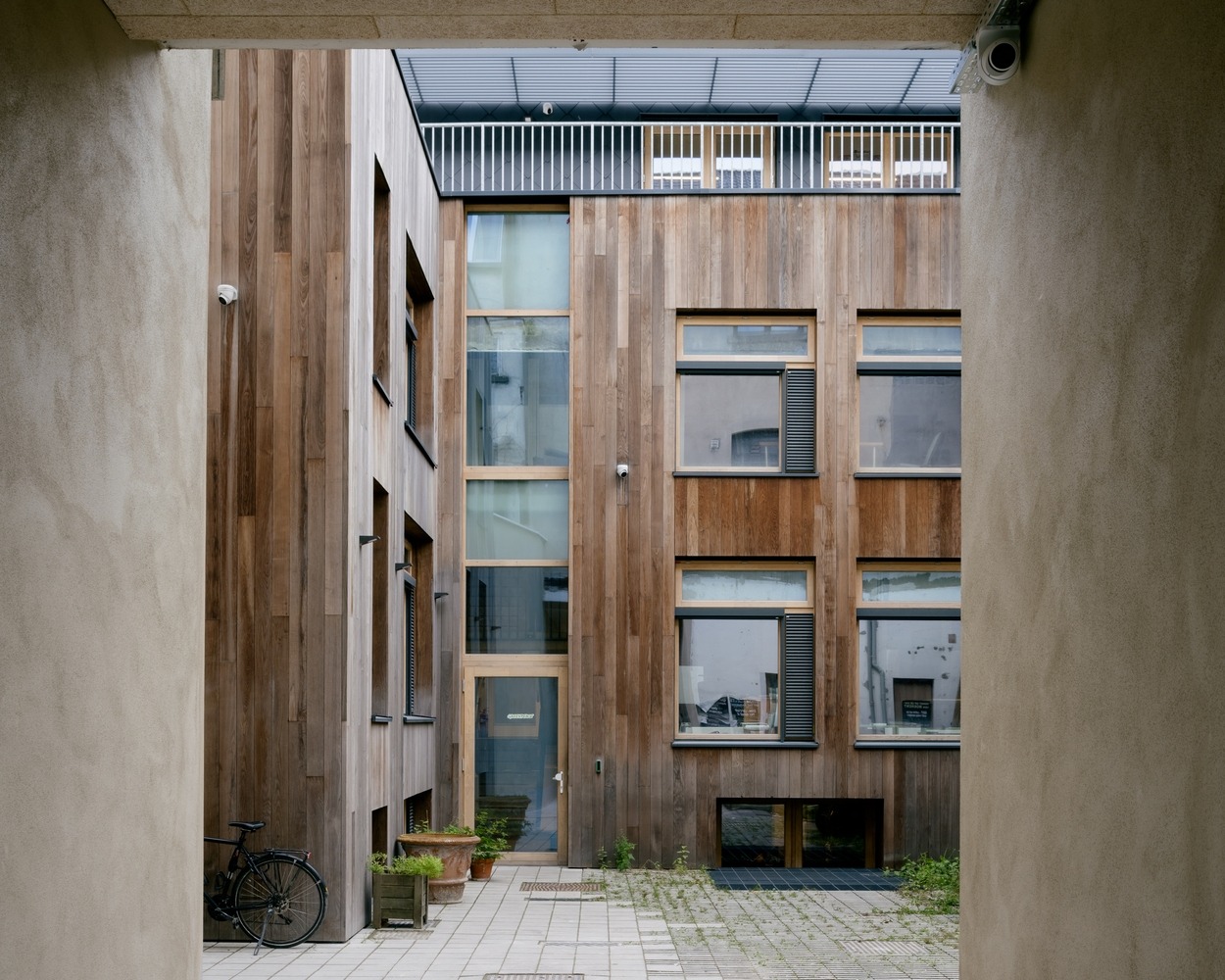
Sofia, the heart of Bulgaria, tells its story not only through politics and culture but also through its architecture and urban design. From wide boulevards to winding alleys, the city’s built environment reflects its layered history, social evolution, and contemporary challenges. Understanding these architectural and urban issues helps reveal the identity and character of Sofia.
Urban planners, architects, and historians emphasize that buildings and city layouts are more than functional structures; they are expressions of social values, economic priorities, and cultural trends. Sofia’s mixture of historic landmarks, modern office buildings, and residential neighborhoods illustrates the city’s ongoing evolution.
Historical Layers and Urban Identity
Sofia’s architecture captures centuries of history. Roman ruins, Ottoman-era mosques, Orthodox churches, and post-war modernist buildings coexist, offering a visual narrative of the city’s growth. Key areas, such as the Alexander Nevsky Cathedral and Vitosha Boulevard, not only serve as tourist attractions but also symbolize Sofia’s civic pride and heritage.
However, balancing preservation with modern needs poses challenges. Renovation projects must respect historic character while accommodating population growth, sustainability goals, and technological infrastructure. This tension between heritage and innovation shapes debates on urban planning in the city.
Social and Urban Challenges
Sofia faces significant social and spatial issues. Housing shortages, rising rents, and urban sprawl affect residents’ quality of life. Urban planners argue that architecture and city design can play a role in addressing these challenges, creating more inclusive and accessible spaces.
Public spaces, pedestrian zones, and green areas are increasingly emphasized to enhance urban life. Initiatives such as the redevelopment of parks, city squares, and riverfront areas aim to promote social cohesion, encourage sustainable mobility, and improve environmental quality. The design of streets, parks, and plazas contributes to both functional and social dimensions of the city.
Architecture as Cultural Expression
Sofia’s architecture also reflects cultural identity. Iconic structures, from the National Palace of Culture to the Largo complex, communicate the city’s historical and political significance. Meanwhile, local neighborhoods showcase the everyday life of diverse communities, highlighting multicultural influences on urban design.
Experts argue that understanding Sofia through architecture helps residents and visitors alike appreciate the city’s cultural and social layers. Buildings and urban layouts act as a form of communication, telling stories about history, identity, and collective aspirations.
Policy and Planning Implications
Addressing Sofia’s architectural and urban issues requires coordinated policy and planning. Authorities are exploring ways to manage development, preserve heritage, and enhance livability. Strategies include sustainable building practices, mixed-use neighborhoods, and improved public transport integration.
Community engagement is also key. Residents’ input in urban planning decisions ensures that changes meet social needs and reflect local values. This participatory approach strengthens the connection between citizens and the built environment.
Looking Ahead
Sofia’s future will be shaped by how it balances tradition and innovation. Architects, urban planners, and policymakers must navigate economic pressures, population growth, and environmental concerns while maintaining the city’s unique identity.
The interplay between historical preservation and contemporary design will continue to define Sofia’s urban character. By understanding architectural and urban issues, the city can foster sustainable growth, vibrant public life, and a strong sense of place.
Conclusion
Exploring Sofia through architecture and urban planning offers insight into its history, culture, and societal dynamics. Buildings, streets, and public spaces are not merely functional—they tell the story of a city in constant transformation.
By addressing architectural and urban challenges thoughtfully, Sofia can continue to evolve as a city that honors its past while embracing the future, creating a livable, inclusive, and culturally rich environment for residents and visitors alike.

