

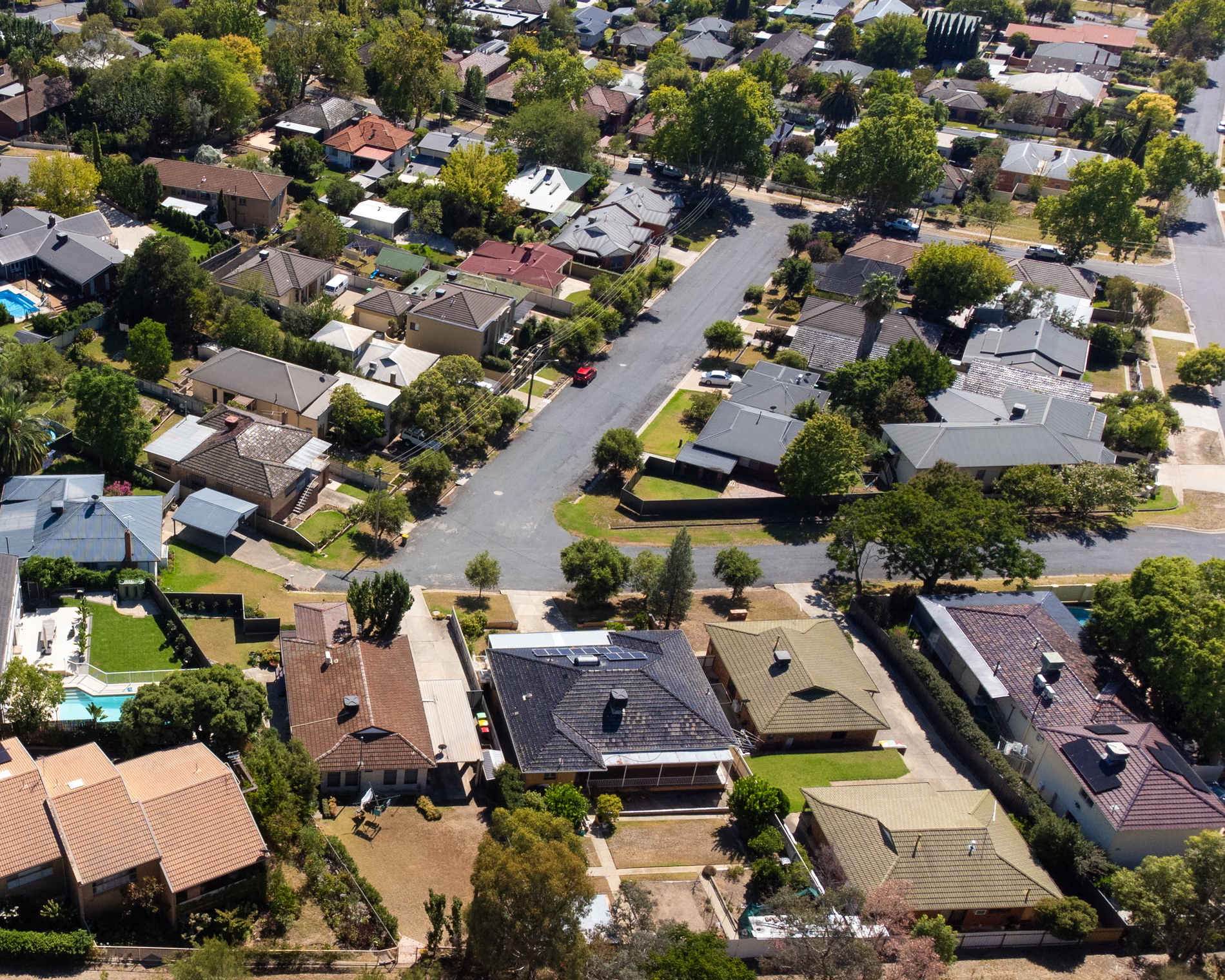
Slashing migration in Australia could actually push house prices higher, not lower, according to new economic analysis.
Economic modelling by KPMG shows that removing migration for the next decade could increase property prices by 2.3% by the mid-2030s compared with continuing migration as planned. Experts warn there are other negative effects on the economy as well.
After the temporary post-lockdown migration surge, national attention on the issue has grown. Many Australians see housing as a pressing problem. A survey by JWS Research last November found that 78% of respondents considered housing access and affordability a “national crisis.”
The survey also revealed that 67% of people thought reducing migration would ease housing pressures, while 70% supported incentives for people to move to regional areas. These results suggest a public tendency to link migration with housing problems, even if other solutions exist.
Politicians on the right have often used these concerns to push for lower migration levels. Critics point to the Albanese government’s lack of a clear, long-term migration strategy as fueling uncertainty and debate.
Brendan Rynne, chief economist at KPMG, emphasizes that most economists agree migration has been beneficial for Australia’s economy. In a society facing an aging population and slower productivity growth, migrants tend to be younger, highly educated, and skilled. They also contribute new ideas and help fill labor shortages.
Limiting migration could worsen workforce challenges and slow economic growth. Fewer workers entering the market may reduce overall productivity and innovation. This in turn could create more pressure on housing, rather than easing it.
Economic models show that the supply of housing alone does not determine prices. Demand from a strong, growing economy, fueled in part by migration, plays a major role. When migration is cut, there may be fewer homes built in regions that need them most, while urban areas continue to face demand pressures.
Experts argue that policies focusing only on migration may not solve housing affordability issues. Housing shortages in major cities are often caused by zoning rules, construction costs, and land availability, rather than the number of people moving in. Targeted housing policies, including faster approvals and regional incentives, are likely to have a more direct impact.
Australia’s migration debate is complex. While the public often links immigration to housing stress, economic evidence points to broader benefits. Migrants contribute to tax revenue, help support aging populations, and bring skills that improve productivity. Cutting migration could undermine these gains and create new economic challenges.
Brendan Rynne points out that a balanced migration policy is essential. It should support workforce needs, regional development, and sustainable housing growth. Policymakers face the task of addressing public concerns about housing while maintaining the economic advantages migration provides.
In short, reducing migration may seem like a simple solution to housing woes, but experts warn it could backfire. Instead, careful planning and housing reforms, combined with strategic migration policies, could help Australia manage growth, affordability, and economic stability over the long term.

